 EN
EN


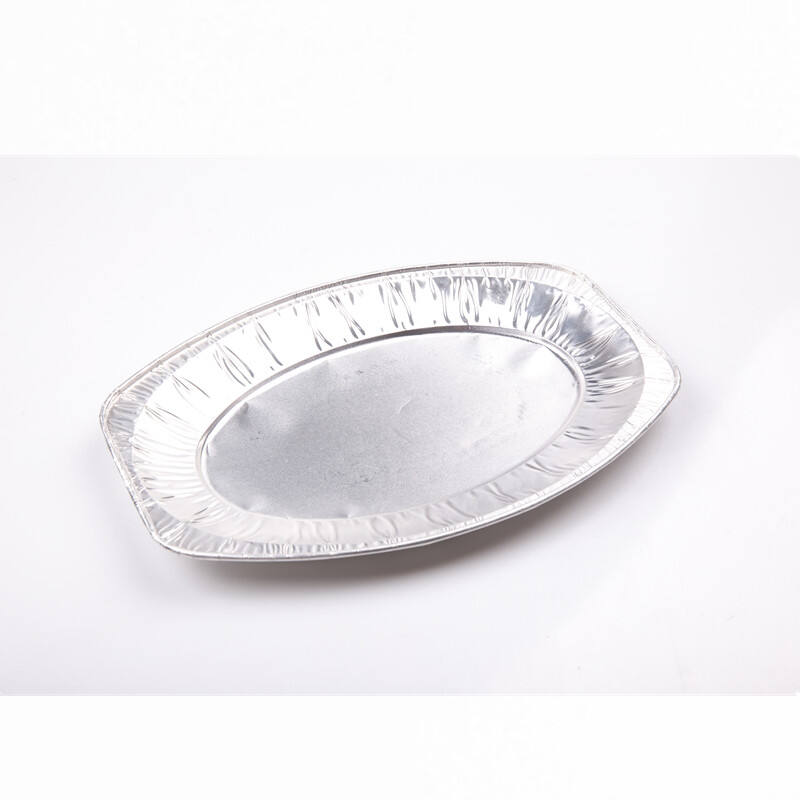
The foodservice industry relies heavily on efficient packaging solutions that maintain food quality while providing convenience for both operators and customers. Disposable aluminum pans have become an indispensable component of successful takeout and catering operations, offering superior heat retention, durability, and versatility. Selecting the right aluminum containers requires careful consideration of multiple factors including size requirements, food compatibility, cost efficiency, and environmental considerations. Professional caterers and restaurant operators must evaluate various specifications to ensure their chosen packaging enhances their service quality while maintaining operational efficiency. Understanding the nuances of aluminum pan selection can significantly impact customer satisfaction, food presentation, and overall business profitability.
Essential Features of Quality Aluminum Food Containers
Material Composition and Food Safety Standards
High-grade disposable aluminum pans are manufactured from food-grade aluminum alloy that meets stringent safety regulations and industry standards. The material thickness typically ranges from 0.05mm to 0.15mm, providing optimal balance between durability and cost effectiveness. Quality containers feature smooth interior surfaces that prevent food adhesion and facilitate easy cleaning when reusable options are considered. The aluminum composition ensures excellent thermal conductivity, allowing for even heat distribution during warming or cooking processes. Food safety certifications such as FDA approval and BPA-free guarantees are essential indicators of container quality and suitability for direct food contact applications.
Premium aluminum containers incorporate specialized coatings or treatments that enhance their performance characteristics and extend shelf life. These treatments may include anti-corrosion layers that prevent interaction with acidic foods, ensuring flavor integrity and preventing metallic taste transfer. The manufacturing process involves precision forming techniques that create consistent wall thickness and reinforced rim structures for enhanced structural integrity. Quality control measures during production ensure each container meets dimensional tolerances and weight specifications, guaranteeing uniform performance across entire product batches.
Structural Design and Durability Characteristics
The structural design of disposable aluminum pans directly impacts their functionality and suitability for various food service applications. Reinforced edges and ribbed bottoms provide additional strength, preventing deformation during handling and transport while maintaining professional appearance. Container depth varies from shallow serving trays to deep casserole-style pans, accommodating different food types and portion requirements. Corner radiuses are carefully engineered to facilitate easy food removal and minimize waste while ensuring structural stability during stacking and storage operations.
Advanced manufacturing techniques create seamless construction that eliminates potential leak points and ensures reliable containment of liquid-based foods. The rim design incorporates rolled edges that provide comfortable handling while creating secure seal interfaces when compatible lids are utilized. Stackable configurations optimize storage space in commercial kitchens and reduce packaging costs during transportation. These design elements work together to create containers that maintain their integrity throughout the entire service cycle, from food preparation through customer consumption.
Size Selection Strategies for Different Service Applications
Portion Control and Menu Planning Considerations
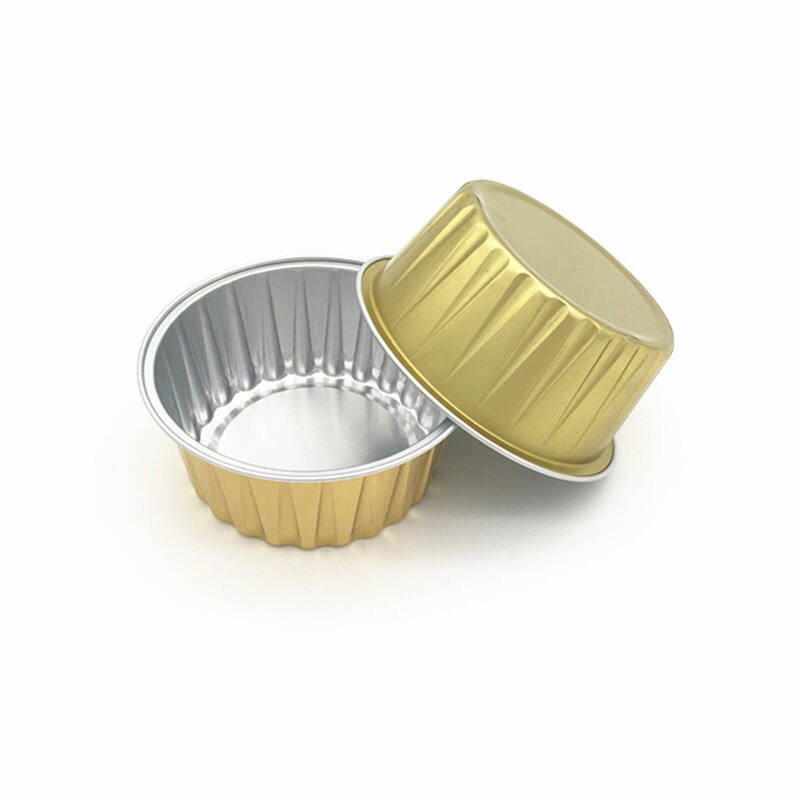
Effective portion control is fundamental to profitable food service operations, and selecting appropriate container sizes plays a crucial role in achieving consistent serving standards. Standard disposable aluminum pans range from individual portion sizes of 8-12 ounces to large family-style containers exceeding 64 ounces capacity. Menu items with varying densities and serving styles require different container configurations to maintain visual appeal and practical functionality. Dense foods like casseroles benefit from deeper containers, while items requiring presentation spreading perform better in shallow, wide formats.
Professional caterers often utilize multiple container sizes within single events to accommodate diverse menu offerings and guest preferences. Appetizer portions typically require smaller 6-8 ounce containers, while main course items may demand 12-16 ounce capacities for standard servings. Large format containers serve buffet-style presentations and family sharing applications effectively. Standardizing container sizes across menu categories simplifies inventory management and reduces operational complexity while ensuring consistent presentation standards throughout service periods.
Compartmentalized Solutions for Complex Meals
Modern food service operations frequently require compartmentalized container solutions that separate different menu components while maintaining temperature integrity and preventing flavor cross-contamination. Multi-compartment disposable aluminum pans offer practical solutions for complete meal presentations including main courses, side dishes, and accompaniments. These specialized containers maintain food separation while providing unified packaging that simplifies service logistics and enhances customer convenience.
Compartment sizing within divided containers must align with typical portion ratios found in balanced meal compositions. Primary compartments typically occupy 60-70% of total container space, accommodating main course portions, while secondary sections handle side dishes and accompaniments proportionally. Barrier heights between compartments prevent food migration during transport while allowing for efficient heating when microwave compatibility is required. These design considerations ensure that compartmentalized meals maintain their intended presentation and flavor profiles throughout the delivery and consumption process.
Temperature Performance and Food Safety Requirements
Heat Retention and Distribution Properties
Aluminum's exceptional thermal conductivity makes disposable aluminum pans ideal for maintaining optimal food temperatures during transport and service periods. The metal's ability to conduct heat efficiently ensures rapid warming when containers are placed in heating equipment, while also facilitating quick cooling when refrigeration is required. This thermal responsiveness is particularly valuable in catering operations where food must be transported over extended distances while maintaining safe serving temperatures. Proper container selection considers both initial heat retention requirements and reheating capabilities at service locations.
Thermal performance varies based on container thickness, surface area, and design characteristics that influence heat transfer rates. Thicker gauge aluminum provides superior heat retention but increases material costs and weight considerations. Container geometry affects thermal performance, with deeper containers offering better heat retention for volume items while shallow formats facilitate rapid temperature equilibration during reheating processes. Understanding these thermal characteristics enables food service operators to select containers that optimize food quality while maintaining safety standards throughout the service cycle.
Microwave and Oven Compatibility Specifications
Many disposable aluminum pans feature microwave-safe designs that accommodate reheating requirements without compromising container integrity or food safety. Microwave compatibility requires specific thickness ranges and design features that prevent arcing while allowing efficient heat penetration. Container edges must be smooth and properly formed to eliminate sharp points that could cause electrical discharge during microwave operation. These specifications ensure safe reheating capabilities while maintaining the convenience factors that make disposable containers attractive to end users.
Oven compatibility extends the versatility of disposable aluminum pans, allowing for finish cooking, warming, or browning applications that enhance food presentation and quality. Temperature ratings typically range from 400°F to 500°F, accommodating most commercial food service heating requirements. Prolonged exposure to high temperatures may cause some container deformation, but quality products maintain structural integrity sufficient for single-use applications. These heating capabilities make aluminum containers suitable for both cold assembly operations and hot food preparation applications, increasing their utility across diverse food service scenarios.
Cost Analysis and Operational Efficiency Factors
Per-Unit Economics and Volume Purchasing Strategies
Economic considerations play a significant role in container selection decisions, with per-unit costs varying based on size, thickness, design complexity, and purchase quantities. Volume purchasing typically offers substantial cost savings, but requires careful inventory management to prevent waste from expired or damaged stock. Cost analysis must include not only initial purchase prices but also storage expenses, handling labor, and disposal fees that contribute to total operational expenses. Comparing costs across different suppliers and product specifications helps identify optimal value propositions that balance quality requirements with budget constraints.
Bulk purchasing strategies require accurate demand forecasting and adequate storage facilities to accommodate large inventory quantities while maintaining product quality. Seasonal demand fluctuations in catering operations may justify strategic stockpiling during low-demand periods when better pricing is available. Long-term supplier relationships often provide pricing stability and preferential treatment during supply shortages, making vendor selection an important strategic consideration beyond immediate cost comparisons.
Labor Efficiency and Operational Workflow Integration
Disposable aluminum pans significantly reduce labor requirements associated with dishwashing, sanitizing, and container management compared to reusable alternatives. This labor savings can offset higher per-unit material costs, particularly in high-volume operations where staff time represents substantial operational expenses. Container standardization simplifies training requirements and reduces errors in food portioning and presentation, contributing to overall operational efficiency improvements. Stackable designs minimize storage space requirements and facilitate efficient inventory management practices.
Workflow integration considerations include container compatibility with existing equipment, preparation procedures, and service protocols that may require modification when changing container systems. Seamless integration with current operations minimizes disruption and training requirements while maximizing the benefits of improved container solutions. Efficient container handling procedures reduce preparation time and labor costs while improving consistency in food presentation and service quality standards.
Environmental Impact and Sustainability Considerations
Recycling Programs and Material Recovery Options
Aluminum recycling represents one of the most successful material recovery programs globally, with recycled aluminum requiring only 5% of the energy needed for primary production. Many disposable aluminum pans can be effectively recycled when properly cleaned and processed through appropriate collection systems. Establishing recycling protocols within food service operations demonstrates environmental responsibility while potentially recovering some material value. However, food contamination and mixed material construction in some container types may limit recycling effectiveness, requiring careful evaluation of actual recovery rates.
Collaboration with waste management providers and recycling facilities can optimize material recovery outcomes while reducing disposal costs associated with aluminum container usage. Some suppliers offer take-back programs or recycling incentives that further improve the environmental profile of disposable aluminum pan usage. These programs require operational procedures that separate aluminum containers from other waste streams and maintain cleanliness standards necessary for effective recycling processing.
Alternative Materials and Hybrid Solutions
Environmental concerns drive ongoing development of alternative materials and hybrid solutions that maintain the functional benefits of aluminum while reducing environmental impact. Biodegradable coatings and plant-based materials offer potential improvements in sustainability profiles, though performance characteristics may differ from traditional aluminum containers. Reusable aluminum containers provide environmental benefits for operations that can accommodate washing and sanitizing requirements, though initial costs and operational complexity increase significantly.
Hybrid approaches combining disposable aluminum pans for specific applications with reusable alternatives for others can optimize both environmental impact and operational efficiency. This strategy requires careful analysis of use patterns, contamination risks, and cost structures to identify optimal applications for each container type. Evolving regulations and consumer preferences continue to influence the development of sustainable container solutions that balance environmental responsibility with practical food service requirements.
FAQ
What thickness should I choose for different types of food service applications
Container thickness selection depends on your specific food types and service requirements. Light gauge aluminum (0.05-0.07mm) works well for cold foods, salads, and short-term storage applications where cost efficiency is prioritized. Medium gauge options (0.08-0.10mm) provide better durability for hot foods, transport applications, and moderate reheating requirements. Heavy gauge containers (0.11-0.15mm) offer maximum strength for large portions, extended heating, and demanding service conditions, though at higher per-unit costs.
How do I ensure proper food safety when using aluminum containers for catering
Food safety requires selecting containers with appropriate certifications, maintaining proper temperature control throughout service, and following established handling procedures. Choose FDA-approved containers that meet food contact regulations, and avoid using damaged or dented containers that may compromise food safety. Maintain cold foods below 40°F and hot foods above 140°F during transport and service, using appropriate insulation and heating equipment as needed. Implement proper labeling and rotation procedures to ensure freshness and prevent contamination during storage and service operations.
Can disposable aluminum pans be used for both hot and cold food applications
Yes, quality disposable aluminum pans excel in both hot and cold food applications due to aluminum's excellent thermal conductivity properties. Cold applications benefit from rapid temperature equilibration and condensation resistance, while hot foods advantage from superior heat retention and even temperature distribution. However, consider that rapid temperature changes may cause some container expansion or contraction, so allow containers to adjust gradually when moving between extreme temperatures to prevent potential deformation or stress fractures.
What are the key factors for selecting containers for delivery and takeout services
Delivery and takeout applications require containers that maintain food quality during transport while providing customer convenience and safety. Prioritize leak-resistant designs with secure fitting lids, appropriate insulation properties for temperature maintenance, and stackable configurations that optimize delivery vehicle space. Consider container weight impacts on delivery costs and driver efficiency, while ensuring sufficient durability to prevent damage during handling and transport. Customer reheating capabilities and disposal convenience also influence satisfaction levels and repeat business potential.
Table of Contents
- Essential Features of Quality Aluminum Food Containers
- Size Selection Strategies for Different Service Applications
- Temperature Performance and Food Safety Requirements
- Cost Analysis and Operational Efficiency Factors
- Environmental Impact and Sustainability Considerations
-
FAQ
- What thickness should I choose for different types of food service applications
- How do I ensure proper food safety when using aluminum containers for catering
- Can disposable aluminum pans be used for both hot and cold food applications
- What are the key factors for selecting containers for delivery and takeout services