 EN
EN


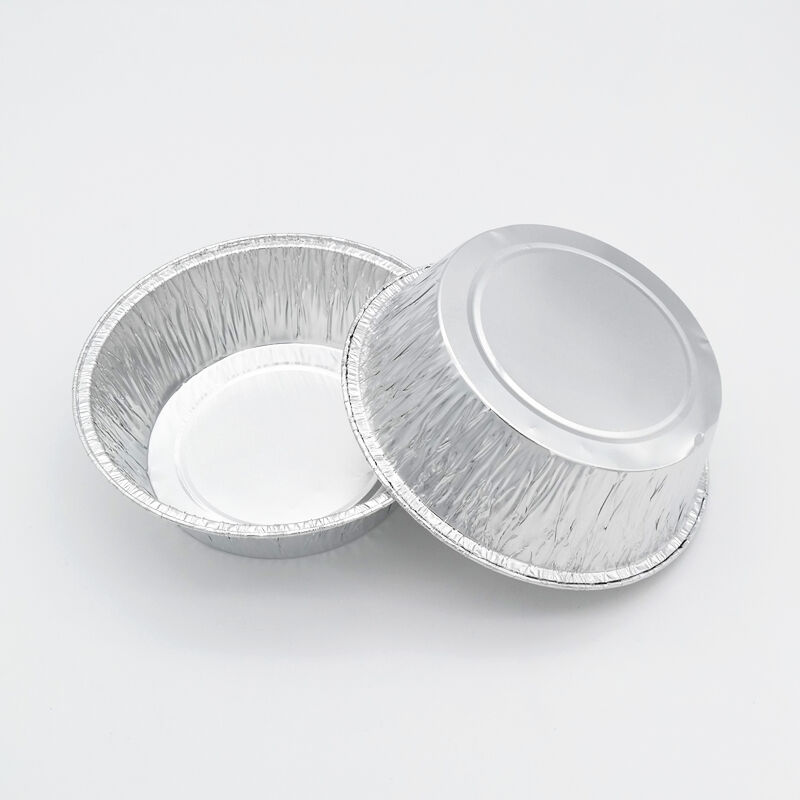
The catering industry demands efficiency, reliability, and cost-effectiveness in every aspect of food preparation and service. Among the essential tools that professional caterers rely on, disposable aluminum baking pans have emerged as indispensable assets for large-scale food operations. These versatile containers offer numerous advantages that streamline catering processes while maintaining food quality and presentation standards. From reducing cleanup time to ensuring consistent heat distribution, these lightweight yet durable pans have revolutionized how catering businesses approach food preparation and delivery. Understanding the comprehensive benefits of incorporating these specialized containers into catering operations can significantly impact both operational efficiency and bottom-line profitability.
Cost-Effectiveness and Economic Advantages
Initial Investment Savings
Traditional metal baking pans require substantial upfront investment, particularly when catering operations need dozens or hundreds of containers for large events. Disposable aluminum baking pans eliminate this barrier by providing an affordable alternative that requires minimal initial capital expenditure. Catering businesses can purchase these pans as needed, allowing for better cash flow management and reduced inventory storage requirements. This flexibility proves especially valuable for seasonal catering operations or businesses experiencing fluctuating demand patterns.
The economic benefits extend beyond mere purchase price considerations. When calculating the total cost of ownership, traditional pans require ongoing maintenance, replacement due to wear and damage, and storage space allocation. Disposable options eliminate these hidden costs while providing consistent performance across multiple uses. For startup catering businesses or those operating on tight margins, this cost structure provides significant operational advantages and improved financial predictability.
Labor Cost Reduction
One of the most significant economic benefits of using disposable aluminum baking pans lies in labor cost reduction. Traditional pans require extensive washing, sanitizing, and drying processes that consume valuable staff time and energy. By eliminating these labor-intensive cleaning procedures, catering operations can redirect human resources toward food preparation, customer service, and other revenue-generating activities. This reallocation of labor resources often results in improved service quality and enhanced customer satisfaction.
The time savings extend beyond basic cleaning requirements to include inventory management and storage organization. Staff members no longer need to track, clean, and organize numerous reusable pans after each event. This streamlined approach reduces the likelihood of inventory shortages during critical preparation periods and minimizes the administrative burden associated with equipment management. For catering operations handling multiple simultaneous events, these efficiency gains translate directly into improved profitability and operational scalability.
Operational Efficiency and Time Management
Streamlined Food Preparation Processes
Professional catering operations require seamless coordination between preparation, cooking, and service phases. Disposable aluminum baking pans facilitate this coordination by providing consistent sizing and performance characteristics that kitchen staff can rely upon. The standardized dimensions enable precise portion control and uniform presentation across multiple dishes, essential factors for maintaining quality standards in large-scale food production. Additionally, these pans heat evenly and efficiently, ensuring consistent cooking results that meet professional standards.
The lightweight nature of these containers significantly reduces physical strain on kitchen staff during preparation and transport phases. Unlike heavy traditional pans, aluminum disposables allow for easier handling and maneuvering, particularly when dealing with large quantities of food. This ergonomic advantage becomes increasingly important during high-volume events where staff efficiency directly impacts service quality and timeline adherence. The reduced weight also facilitates safer handling practices, minimizing the risk of workplace injuries associated with heavy lifting.
Enhanced Food Safety and Hygiene Standards
Food safety represents a paramount concern in professional catering operations, where contamination risks can have severe consequences for both business reputation and public health. Disposable aluminum baking pans provide inherent safety advantages by eliminating cross-contamination risks associated with inadequately cleaned reusable containers. Each pan represents a fresh, sterile surface that ensures optimal food safety standards without relying on cleaning procedures or staff compliance.
The aluminum material itself possesses natural antimicrobial properties and provides an effective barrier against bacterial growth. Unlike plastic alternatives, aluminum does not retain odors or flavors from previous uses, ensuring that each dish maintains its intended taste profile. This characteristic proves particularly valuable when catering diverse menus that include both savory and sweet items, as flavor transfer between dishes can significantly impact food quality and customer satisfaction.
Versatility and Practical Applications
Multi-Purpose Functionality
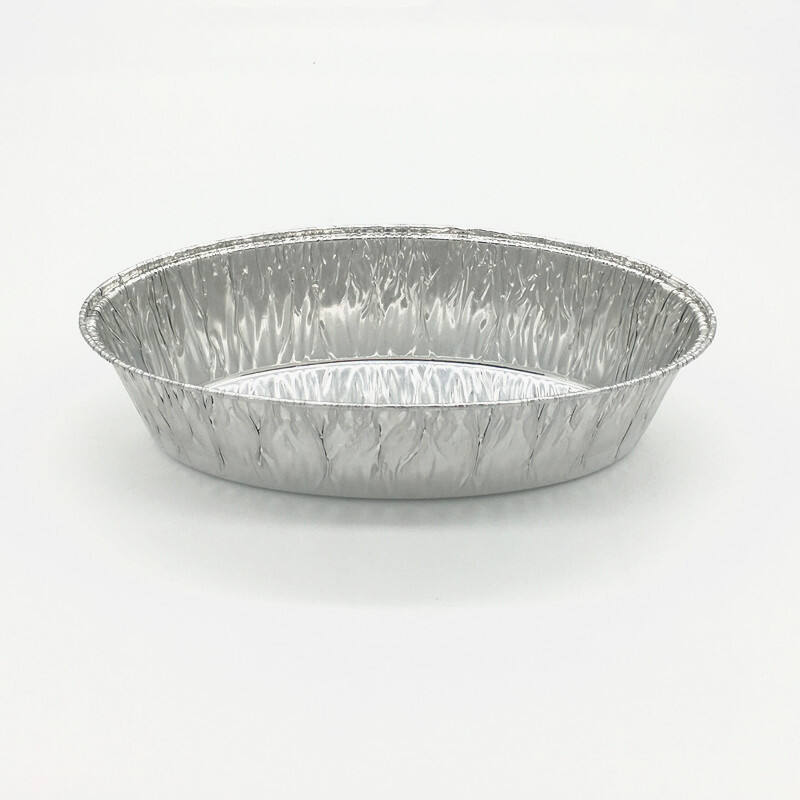
Modern catering operations benefit from equipment that serves multiple functions, and disposable aluminum baking pans excel in this regard. These versatile containers accommodate various cooking methods including baking, roasting, steaming, and reheating, making them suitable for diverse menu items and preparation techniques. From lasagnas and casseroles to roasted vegetables and desserts, these pans handle different food types while maintaining structural integrity throughout the cooking process.
The compatibility with different heat sources adds another layer of versatility that professional caterers appreciate. These pans perform effectively in conventional ovens, convection systems, steam tables, and warming units commonly found in catering operations. This universal compatibility eliminates the need for specialized equipment or multiple container types, simplifying inventory management and reducing operational complexity. The ability to transition seamlessly from preparation to cooking to serving phases makes these pans invaluable for efficient workflow management.
Temperature Resistance and Durability
Professional catering environments demand equipment that withstands extreme temperature variations and intensive use conditions. Disposable aluminum baking pans demonstrate remarkable temperature resistance, functioning effectively across a wide range from freezing temperatures for advance preparation to high-heat cooking applications. This thermal versatility enables caterers to prepare items in advance, store them safely, and reheat them without container degradation or performance issues.
Despite their disposable nature, these pans exhibit surprising durability under normal catering conditions. The aluminum construction provides sufficient strength to support heavy food loads while maintaining shape integrity during transport and service. This reliability proves crucial during off-site catering events where container failure could result in significant food loss and service disruptions. The combination of lightweight construction and adequate strength creates an optimal balance for professional catering applications.
Environmental Considerations and Sustainability
Recyclability and Waste Management
Environmental responsibility has become increasingly important for catering businesses seeking to align with customer values and regulatory requirements. Aluminum represents one of the most recyclable materials available, with the ability to be recycled indefinitely without quality degradation. Used disposable aluminum baking pans can be collected and processed through existing recycling systems, contributing to circular economy principles while minimizing environmental impact.
The recycling process for aluminum requires significantly less energy compared to primary production, making it an environmentally efficient material choice. Catering operations can establish partnerships with local recycling facilities or implement collection programs that demonstrate environmental stewardship to clients and communities. This proactive approach to sustainability often serves as a competitive differentiator in markets where environmental consciousness influences purchasing decisions.
Resource Efficiency Compared to Alternatives
When evaluating environmental impact, the complete lifecycle of disposable aluminum baking pans often compares favorably to traditional alternatives. The elimination of water usage, cleaning chemicals, and energy consumption associated with washing and sanitizing reusable pans reduces overall environmental footprint. Additionally, the lightweight nature of aluminum containers reduces transportation fuel consumption during delivery and waste removal phases.
Manufacturing advances have improved the efficiency of aluminum pan production while reducing material thickness without compromising performance. These innovations result in lower material consumption per unit while maintaining the strength and heat distribution properties that make aluminum ideal for food service applications. The ongoing development of more sustainable production methods continues to enhance the environmental profile of these essential catering tools.
Storage and Transportation Benefits
Space-Efficient Storage Solutions
Catering operations often face significant storage challenges, particularly in urban environments where kitchen and warehouse space commands premium prices. Disposable aluminum baking pans address these challenges through their stackable design and compact storage requirements. When nested together, these pans occupy minimal storage space while providing immediate access to the quantities needed for various event sizes.
The elimination of post-use storage requirements provides additional space savings that traditional pans cannot match. After service completion, used pans are simply disposed of or recycled, freeing up valuable storage areas for other essential supplies and equipment. This space efficiency enables catering operations to maximize their facility utilization while reducing overhead costs associated with larger storage requirements.
Transportation and Logistics Advantages
Off-site catering events require careful logistical planning to ensure successful food delivery and service execution. The lightweight nature of disposable aluminum baking pans significantly reduces transportation weight and associated fuel costs, particularly important for catering operations serving multiple daily events. This weight reduction also enables larger food quantities to be transported within vehicle weight limitations, improving operational efficiency and service capacity.
The elimination of return transportation requirements for empty containers provides additional logistical benefits. Traditional catering operations must coordinate the collection and return of reusable containers, adding complexity and cost to event logistics. Disposable alternatives simplify this process by eliminating return trip requirements, reducing vehicle wear and transportation expenses while freeing up staff time for other productive activities.
Quality Assurance and Food Presentation
Consistent Heat Distribution Properties
Professional catering success depends heavily on consistent food quality across large batches, making heat distribution characteristics crucial for equipment selection. Disposable aluminum baking pans excel in this area due to aluminum's superior thermal conductivity properties. The material transfers heat efficiently and evenly throughout the cooking surface, minimizing hot spots and ensuring uniform cooking results across the entire pan contents.
This consistent performance becomes particularly valuable when preparing identical dishes in multiple pans simultaneously. Each pan delivers similar cooking results, enabling caterers to maintain quality standards regardless of batch size or cooking sequence. The predictable performance characteristics allow kitchen staff to develop reliable cooking procedures and timing schedules that consistently produce desired results across different menu items and preparation volumes.
Professional Appearance and Presentation Standards
Visual presentation plays a critical role in catering success, as clients often evaluate food quality based on initial appearance impressions. Disposable aluminum baking pans provide a clean, professional appearance that enhances food presentation without requiring extensive cleaning or maintenance between uses. The reflective surface of aluminum creates an attractive backdrop for various food types while maintaining its appearance throughout service periods.
The standardized sizing and consistent manufacturing quality of these pans contribute to uniform presentation across multiple serving stations or buffet arrangements. This consistency helps create professional-looking food displays that reflect positively on catering service quality and attention to detail. For catering operations serving corporate clients or upscale events, maintaining consistent presentation standards can significantly impact client satisfaction and repeat business opportunities.
FAQ
How do disposable aluminum baking pans compare to traditional pans in terms of cooking performance?
Disposable aluminum baking pans offer excellent cooking performance due to aluminum's superior heat conductivity properties. They distribute heat evenly across the cooking surface, often providing more consistent results than traditional steel or glass pans. The thin aluminum construction allows for efficient heat transfer, resulting in uniform cooking and browning. While they may not retain heat as long as heavier traditional pans, their performance during the actual cooking process is comparable or superior for most catering applications.
Are disposable aluminum baking pans suitable for all types of ovens and cooking equipment?
Yes, disposable aluminum baking pans are compatible with most commercial cooking equipment including conventional ovens, convection ovens, steam tables, and warming units. They can safely withstand temperatures up to 500°F (260°C), making them suitable for most catering cooking applications. However, they should not be used in microwave ovens due to the metal construction, and care should be taken when using them with induction cooking surfaces, as aluminum is not magnetic and may not work effectively with induction systems.
What is the environmental impact of using disposable aluminum baking pans in large-scale catering operations?
The environmental impact of disposable aluminum baking pans is generally favorable when proper recycling practices are implemented. Aluminum is infinitely recyclable without quality loss, and recycling aluminum uses 95% less energy than producing new aluminum from raw materials. When compared to the water usage, chemical cleaning agents, and energy consumption required for washing traditional pans, disposable aluminum options often have a lower overall environmental footprint. The key is ensuring proper collection and recycling of used pans rather than disposing of them in general waste streams.
How should caterers determine the appropriate quantities of disposable aluminum baking pans for different event sizes?
Determining appropriate quantities depends on several factors including guest count, menu complexity, and service style. As a general guideline, plan for 1.2 to 1.5 pans per menu item per 50 guests to account for different portion sizes and potential backup needs. For buffet-style service, consider additional pans for refills and replacements. It's advisable to maintain a 10-15% buffer above calculated requirements to handle unexpected demand or last-minute menu changes. Experience with specific menu items and client preferences will help refine quantity estimates over time.
Table of Contents
- Cost-Effectiveness and Economic Advantages
- Operational Efficiency and Time Management
- Versatility and Practical Applications
- Environmental Considerations and Sustainability
- Storage and Transportation Benefits
- Quality Assurance and Food Presentation
-
FAQ
- How do disposable aluminum baking pans compare to traditional pans in terms of cooking performance?
- Are disposable aluminum baking pans suitable for all types of ovens and cooking equipment?
- What is the environmental impact of using disposable aluminum baking pans in large-scale catering operations?
- How should caterers determine the appropriate quantities of disposable aluminum baking pans for different event sizes?