 EN
EN


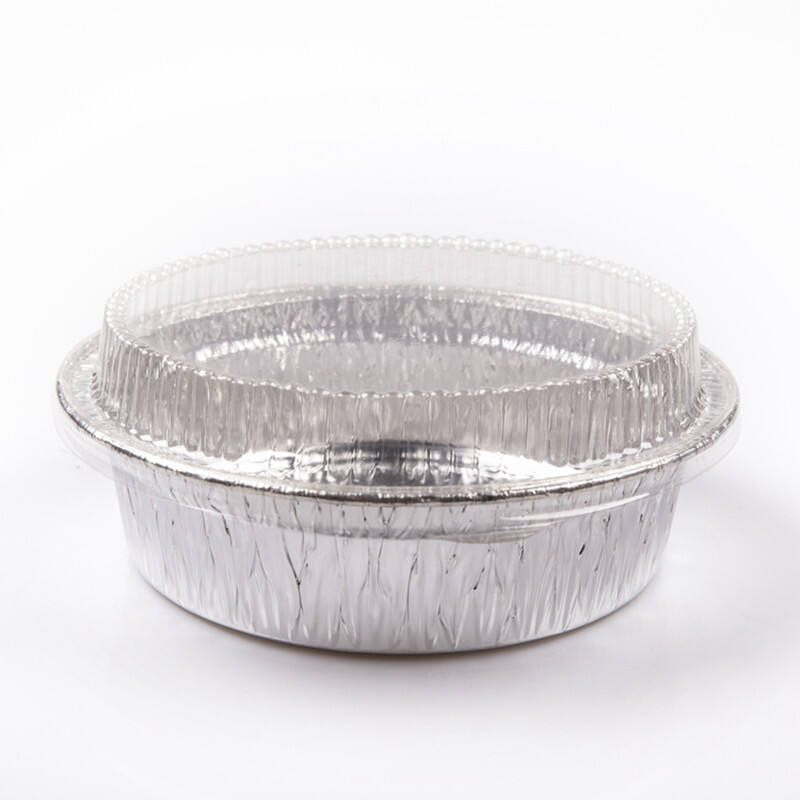
In today's competitive food delivery market, restaurants and catering businesses are constantly seeking solutions that maintain food quality while ensuring efficient service. Aluminum foil pans have emerged as a game-changing packaging solution that addresses multiple challenges faced by food service operators. These versatile containers offer exceptional heat retention, durability, and cost-effectiveness that make them indispensable for modern delivery operations. The growing demand for reliable food packaging has positioned aluminum foil pans as the preferred choice for businesses prioritizing both customer satisfaction and operational efficiency.
Superior Heat Retention and Food Quality
Optimal Temperature Maintenance
Aluminum foil pans excel in maintaining optimal food temperatures throughout the delivery process, ensuring customers receive meals at their intended serving temperature. The superior thermal conductivity of aluminum allows for even heat distribution, preventing hot spots while maintaining consistent warmth across the entire container. This characteristic is particularly crucial for hot dishes that require extended delivery times or when multiple orders are transported simultaneously. Food service operators report significantly reduced customer complaints about cold or lukewarm meals when switching to aluminum foil pans for their delivery operations.
The material's ability to reflect heat back into the food creates a natural warming effect that extends the serving window for delivered meals. This thermal efficiency translates directly into improved customer satisfaction and reduced food waste, as items remain at safe serving temperatures for longer periods. Professional catering services have documented temperature retention improvements of up to forty percent when utilizing aluminum foil pans compared to traditional plastic or paperboard alternatives.
Moisture Control and Freshness Preservation
Effective moisture management is another critical advantage offered by aluminum foil pans in food delivery applications. The non-porous surface of aluminum creates an excellent barrier against moisture loss while preventing external humidity from compromising food texture and flavor. This dual protection ensures that crispy items maintain their crunch while preventing soggy conditions that can ruin customer experience. Restaurant operators consistently report improved food quality ratings when implementing aluminum foil pans as their primary delivery packaging solution.
The sealed environment created by properly fitted aluminum lids helps preserve aromatic compounds and prevents flavor transfer between different food items during transport. This containment capability is especially valuable for complex orders containing multiple dishes with distinct flavor profiles. Professional food delivery services have noted marked improvements in customer feedback regarding food freshness and taste integrity when utilizing aluminum foil pans for their operations.
Durability and Reliability During Transport
Structural Integrity Under Pressure
The robust construction of aluminum foil pans provides exceptional protection against the physical stresses encountered during food delivery operations. Unlike flimsy alternatives, these containers maintain their shape and structural integrity even when stacked or subjected to normal handling pressures during transport. This reliability reduces the risk of spills, leaks, and container failures that can result in costly food replacement and customer dissatisfaction. Delivery drivers appreciate the confidence that comes with using aluminum foil pans, knowing their cargo will arrive intact regardless of transportation conditions.
The material's resistance to punctures and tears ensures that sharp food items or utensils cannot compromise container integrity during delivery. This durability extends to temperature extremes, as aluminum foil pans maintain their structural properties whether transporting hot entrees or cold desserts. Food service managers report significant reductions in delivery-related incidents and customer complaints when implementing aluminum foil pans as their standard packaging solution.
Stack-ability and Space Efficiency
Efficient space utilization is crucial for delivery operations, and aluminum foil pans offer superior stackability that maximizes transport capacity. The uniform dimensions and rigid construction allow for secure stacking without crushing lower containers, enabling drivers to transport larger orders in limited vehicle space. This efficiency improvement directly impacts delivery economics by reducing the number of trips required and increasing order fulfillment capacity per vehicle. Professional delivery services have documented capacity increases of up to thirty percent when switching to properly designed aluminum foil pans.
The standardized sizing of aluminum foil pans also facilitates better organization within delivery bags and warming equipment, leading to more efficient loading and unloading procedures. This systematic approach reduces delivery times and improves driver productivity while maintaining food quality standards. Fleet managers consistently report improved operational metrics when their drivers utilize aluminum foil pans for food delivery assignments.
Cost-Effectiveness and Business Benefits
Reduced Food Waste and Returns
Implementing aluminum foil pans in food delivery operations significantly reduces food waste and customer returns due to quality issues. The superior protection offered by these containers minimizes spillage, temperature loss, and contamination risks that frequently lead to unsatisfactory delivery experiences. Restaurant owners report measurable decreases in food replacement costs and customer refunds when utilizing aluminum foil pans for their delivery services. This reduction in waste directly improves profit margins while enhancing customer satisfaction metrics.
The reliability of aluminum foil pans also reduces the need for additional packaging materials or protective measures, streamlining the preparation process and reducing labor costs. Kitchen staff can work more efficiently knowing that aluminum foil pans will protect food integrity throughout the delivery process, eliminating the need for multiple container systems or excessive protective packaging. This operational efficiency translates into faster order processing times and improved kitchen productivity.
Competitive Pricing and Value Proposition
The competitive pricing of aluminum foil pans makes them an economically attractive option for businesses of all sizes, from small local restaurants to large catering operations. When considering the total cost of ownership including reduced waste, improved customer satisfaction, and operational efficiency gains, aluminum foil pans provide exceptional value compared to alternative packaging solutions. Bulk purchasing options further enhance cost-effectiveness, allowing businesses to achieve significant per-unit savings while ensuring consistent supply availability.
The versatility of aluminum foil pans also eliminates the need for multiple packaging types, simplifying inventory management and reducing storage requirements. This consolidation leads to additional cost savings through reduced complexity in purchasing, storage, and staff training procedures. Financial analysis consistently demonstrates positive return on investment for businesses that transition to aluminum foil pans as their primary delivery packaging solution.
Environmental Considerations and Sustainability
Recyclability and Waste Reduction
Environmental sustainability has become increasingly important for food service operations, and aluminum foil pans offer significant advantages in this area. Aluminum is one of the most recyclable materials available, with the ability to be recycled indefinitely without losing its beneficial properties. This characteristic makes aluminum foil pans an environmentally responsible choice for businesses seeking to reduce their ecological footprint while maintaining operational efficiency. Many municipalities have established recycling programs that specifically accommodate aluminum food containers, making disposal convenient for both businesses and consumers.
The durability of aluminum foil pans also contributes to waste reduction by minimizing container failures and food spoilage during delivery operations. This reliability translates directly into reduced environmental impact through decreased food waste and packaging consumption. Environmental consultants regularly recommend aluminum foil pans as part of comprehensive sustainability strategies for food service operations seeking to improve their environmental performance.
Energy Efficiency in Production
Modern aluminum production processes have become increasingly energy-efficient, making aluminum foil pans a more sustainable choice than many alternatives. The lightweight nature of aluminum reduces transportation energy requirements throughout the supply chain, from manufacturing facilities to end-user locations. This efficiency extends to delivery operations, where the reduced weight of aluminum foil pans compared to heavier alternatives can improve fuel efficiency and reduce carbon emissions per delivery. Environmental impact assessments consistently show favorable results for aluminum foil pans when considering their complete lifecycle impact.
The longevity and reusability potential of aluminum foil pans further enhance their environmental credentials. Many consumers reuse these containers for food storage or other household applications, extending their useful life beyond the initial delivery application. This secondary use pattern contributes to overall waste reduction and resource efficiency in consumer households.
Versatility and Application Range
Multi-Purpose Functionality
The versatility of aluminum foil pans extends far beyond simple food delivery applications, making them valuable assets for diverse food service operations. These containers excel in catering environments where presentation and functionality must coexist seamlessly. Professional caterers appreciate the ability to use aluminum foil pans for preparation, cooking, serving, and transport within a single container system. This multi-purpose functionality reduces equipment requirements and simplifies logistics for complex catering events.
Restaurant operations benefit from the flexibility of aluminum foil pans in managing both dine-in and takeout services. The professional appearance and heat retention properties make these containers suitable for buffet presentations and self-service applications while maintaining their effectiveness for delivery operations. This adaptability allows restaurants to standardize their packaging systems across multiple service models, reducing complexity and training requirements for staff members.
Compatibility with Heating Equipment
Aluminum foil pans demonstrate excellent compatibility with various heating and warming equipment commonly used in food service operations. These containers can safely transition from refrigeration to conventional ovens, warming cabinets, and steam tables without risk of failure or contamination. This thermal versatility enables food service operators to maintain optimal serving temperatures throughout extended service periods while utilizing existing kitchen equipment efficiently.
The material properties of aluminum also make these pans suitable for rapid heating applications, allowing restaurants to quickly bring refrigerated items to serving temperature when needed. This capability is particularly valuable for operations that prepare items in advance and heat them to order, enabling efficient kitchen workflows while maintaining food quality standards. Professional kitchen managers consistently report improved operational flexibility when incorporating aluminum foil pans into their equipment systems.
FAQ
Are aluminum foil pans safe for food contact and delivery?
Yes, aluminum foil pans are completely safe for food contact and delivery applications. These containers meet all relevant food safety standards and regulations established by health authorities worldwide. The non-reactive nature of aluminum ensures that no harmful chemicals or flavors are transferred to food during storage or transport. Professional food service operators regularly use aluminum foil pans with confidence in their safety and regulatory compliance.
How do aluminum foil pans compare to plastic containers for delivery?
Aluminum foil pans significantly outperform plastic containers in heat retention, durability, and environmental sustainability. While plastic containers may offer lower initial costs, aluminum foil pans provide superior temperature maintenance and structural integrity during transport. The recyclability of aluminum also makes these pans a more environmentally responsible choice compared to most plastic alternatives. Food quality and customer satisfaction metrics consistently favor aluminum foil pans over plastic options.
Can aluminum foil pans be reused by customers?
Aluminum foil pans are designed for single-use food service applications, but many customers choose to reuse them for food storage or other household purposes. The durability and food-safe properties of aluminum make these containers suitable for limited reuse applications. However, businesses should design their operations around single-use expectations to ensure consistent food safety and quality standards. Customer reuse represents an additional value proposition that enhances overall satisfaction with aluminum foil pan packaging.
What sizes and configurations are available for aluminum foil pans?
Aluminum foil pans are available in a comprehensive range of sizes and configurations to accommodate diverse food service applications. Standard options include rectangular containers in various depths, round pans for specialty items, and compartmentalized designs for complex meals. Custom sizing and branding options are also available for businesses requiring specific dimensions or marketing integration. Professional suppliers can provide detailed specifications and recommendations based on specific operational requirements and menu considerations.