 EN
EN


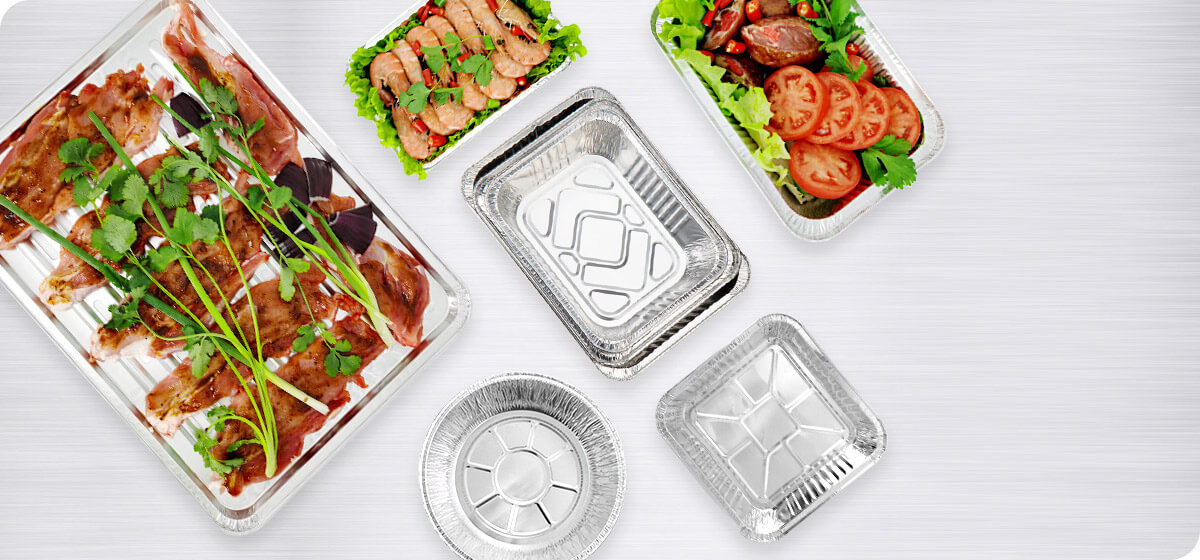
Food manufacturers around the world depend on aluminum trays for food as a fundamental packaging solution. The decision to adopt aluminum trays for food packaging is not random; it stems from proven operational, financial, and safety advantages that resonate across the food industry. Understanding why manufacturers choose aluminum trays for food reveals the practical foundation of modern food packaging strategy.

The preference for aluminum trays for food extends beyond simple convenience. Manufacturers recognize that aluminum trays for food deliver measurable value across product protection, regulatory compliance, shelf stability, and brand presentation. This article explores the core reasons why aluminum trays for food have become the industry standard for countless food applications, from baking to takeout containers to ready-to-eat meal packaging.
Superior Product Protection and Shelf Life
Barrier Properties of Aluminum Trays for Food
Aluminum trays for food offer exceptional barrier performance against oxygen, light, and moisture. These protective qualities directly extend product freshness and prevent spoilage, which is critical for manufacturers managing inventory across distribution networks. When food manufacturers select aluminum trays for food, they gain a packaging material that safeguards product integrity from production through consumer purchase. The oxygen barrier prevents oxidation that degrades flavor, color, and nutritional value, while moisture resistance protects contents in variable humidity environments.
Temperature Stability and Storage Flexibility
Aluminum trays for food maintain structural integrity across a wide temperature range, from frozen storage through microwave heating. Food manufacturers appreciate this versatility because aluminum trays for food eliminate the need for packaging transitions during the product lifecycle. A single aluminum tray can move from refrigeration to consumer microwave without compromising food safety or package integrity. This temperature tolerance makes aluminum trays for food ideal for frozen meals, refrigerated items, and products requiring reheating capabilities.
Cost Efficiency and Production Economics
Manufacturing and Material Efficiency
Food manufacturers choose aluminum trays for food because the material delivers favorable cost-to-performance ratios compared to alternative packaging options. Aluminum trays for food are manufactured through established, efficient processes that benefit from economies of scale. The material waste during production of aluminum trays for food is minimal, and manufacturing cycles are rapid, allowing manufacturers to meet aggressive production timelines without sacrificing quality. Additionally, aluminum trays for food can be precisely engineered to exact specifications, reducing excess material and optimizing shipping efficiency.
Transportation and Storage Advantages
The lightweight nature of aluminum trays for food significantly reduces shipping costs and carbon footprint compared to heavier packaging alternatives. Food manufacturers recognize that selecting aluminum trays for food reduces logistics expenses across the entire supply chain, from manufacturer to distributor to retailer. Stackability of aluminum trays for food maximizes warehouse utilization, further improving overall packaging economics. These cumulative cost advantages make aluminum trays for food an attractive investment for manufacturers operating on competitive margins.
Food Safety and Regulatory Compliance
Material Safety and Consumer Protection
Aluminum trays for food meet stringent food contact material regulations across major markets, including FDA standards and European food safety directives. Food manufacturers select aluminum trays for food specifically because the material is inert and does not leach harmful compounds into food products. Aluminum trays for food have undergone extensive testing and validation to ensure consumer safety across all intended applications. This regulatory compliance eliminates significant liability risks and provides manufacturers with documented proof of packaging safety required by retailers and regulatory agencies.
Hygiene and Contamination Prevention
The non-porous surface of aluminum trays for food prevents bacterial accumulation and cross-contamination during production and storage. Food manufacturers implementing aluminum trays for food as part of their packaging strategy strengthen overall food safety protocols and reduce pathogenic contamination risk. The smooth surface of aluminum trays for food also simplifies cleaning procedures in facilities where trays are reused or recycled. This inherent hygiene advantage makes aluminum trays for food particularly valuable in high-risk categories such as ready-to-eat meals, baked goods, and prepared foods requiring strict safety controls.
Brand Presentation and Consumer Appeal
Visual Appearance and Market Positioning
Food manufacturers use aluminum trays for food to create premium product presentation that differentiates offerings on retail shelves. The reflective, metallic appearance of aluminum trays for food conveys quality and professionalism, supporting brand positioning in competitive categories. Aluminum trays for food can be customized with printed graphics, logos, and product information, enabling manufacturers to create distinctive packaging that attracts consumer attention. This presentation capability makes aluminum trays for food an extension of brand strategy rather than a neutral functional element.
Consumer Convenience and Recyclability
Consumers increasingly prefer aluminum trays for food because the material is widely recyclable and aligns with sustainability values. Food manufacturers selecting aluminum trays for food tap into growing consumer preference for environmentally responsible packaging choices. Aluminum trays for food reduce post-consumer waste burden compared to single-use plastic alternatives, enhancing brand reputation among environmentally conscious purchasers. The established aluminum recycling infrastructure makes aluminum trays for food a genuinely sustainable packaging option that manufacturers can confidently communicate to consumers.
FAQ
Can aluminum trays for food be used with all food types?
Aluminum trays for food are suitable for most food applications, including baked goods, prepared meals, seafood, dairy products, and ready-to-eat items. However, certain highly acidic foods require protective coating on aluminum trays for food to prevent reactions. Food manufacturers should consult regulatory guidelines and conduct compatibility testing before deploying aluminum trays for food with new product formulations, especially for extended shelf-life applications.
Are aluminum trays for food microwave safe?
Many aluminum trays for food are specifically designed and tested for microwave safety, though not all variants meet this requirement. Manufacturers producing aluminum trays for food intended for microwave use must comply with microwave safety standards and clearly label containers accordingly. Food manufacturers should verify microwave compatibility specifications when selecting aluminum trays for food for takeout or meal-kit applications where consumer reheating is anticipated.
What sustainability advantages do aluminum trays for food offer?
Aluminum trays for food represent one of the most recycled packaging materials globally, with established infrastructure supporting recovery and reprocessing. Food manufacturers choosing aluminum trays for food benefit from strong sustainability credentials, as aluminum trays for food can be recycled indefinitely without degrading material properties. Selecting aluminum trays for food demonstrates manufacturer commitment to circular economy principles and reduces environmental impact compared to single-use plastic or paper-based alternatives.