 EN
EN


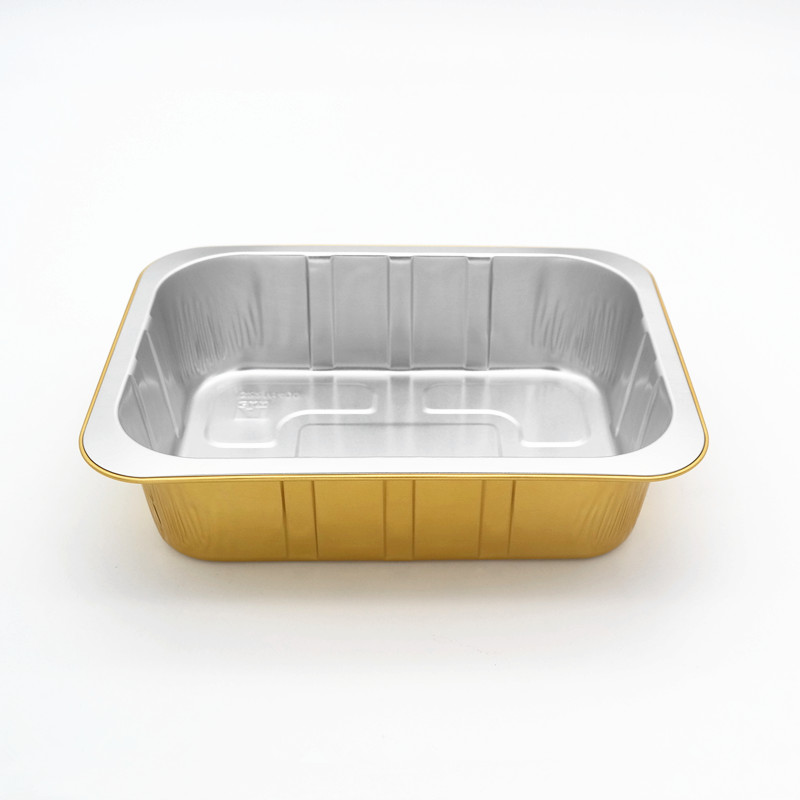
The food service industry relies on countless equipment decisions each day, and one choice stands out for its universal adoption: foil pans. From large-scale catering operations to small restaurant kitchens, foil pans have become indispensable across the globe. Understanding why foil pans command such widespread preference reveals crucial insights into operational efficiency, cost management, and food safety standards that professional food handlers prioritize daily.
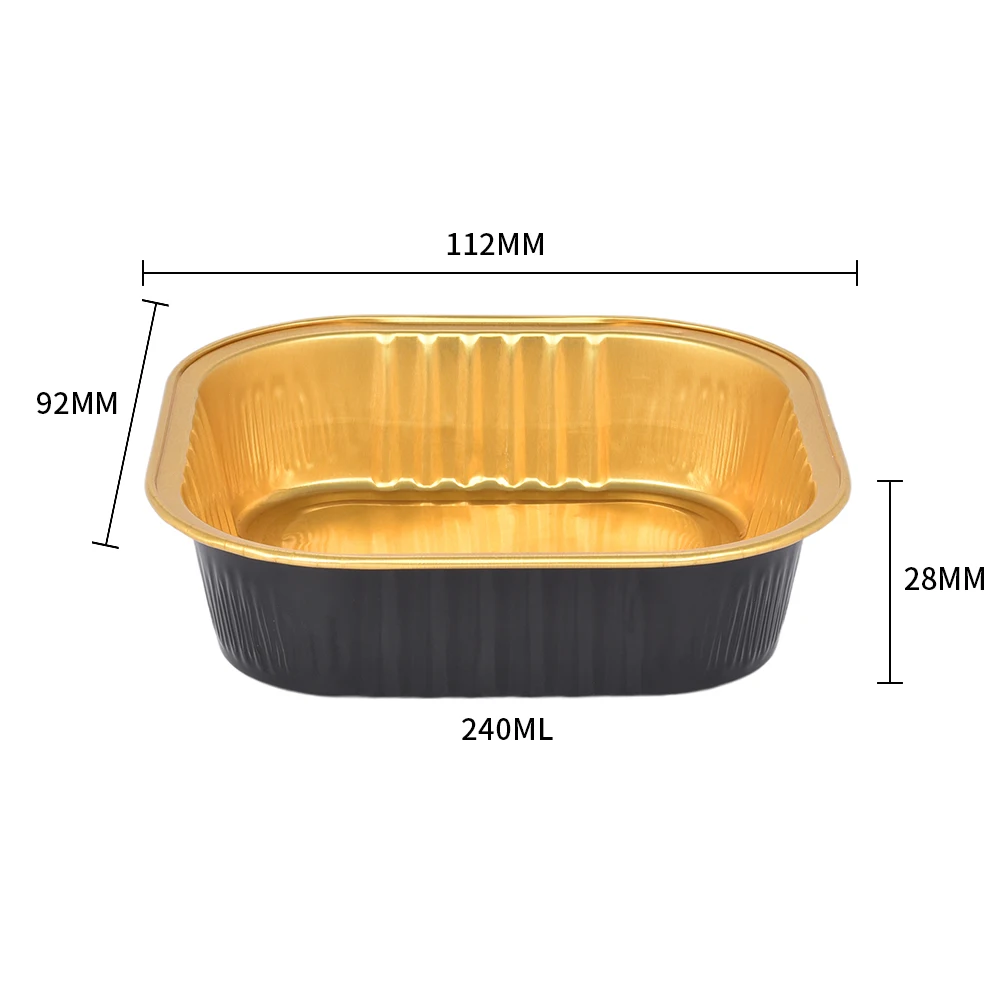
Food service providers worldwide recognize foil pans as a strategic asset rather than a commodity purchase. The global adoption of foil pans stems from tangible operational benefits that directly impact profitability, sustainability goals, and customer satisfaction metrics. This widespread preference reflects decades of industry evolution and the demonstrated advantages that foil pans deliver across diverse service environments, from hospitals and schools to corporate catering and hospitality venues.
Exceptional Durability and Reusability Value
Long-lasting construction for repeated use
Foil pans are engineered from aluminum materials that withstand rigorous commercial kitchen conditions without degrading. Unlike plastic or paper containers, foil pans maintain structural integrity through repeated heating cycles, washing, and storage. Food service providers appreciate that foil pans can endure hundreds of uses when properly maintained, significantly extending the container lifecycle compared to single-use alternatives. This durability translates directly into reduced replacement costs, making foil pans an economically rational choice for budget-conscious operations managing substantial daily volumes.
Temperature resistance and food safety advantages
One critical reason foil pans dominate food service environments relates to their superior temperature tolerance. Foil pans can transition safely from freezers to ovens without warping, cracking, or leaching chemicals into food products. This thermal flexibility means foil pans work seamlessly across the entire food preparation and service spectrum, from cold storage through hot-holding and reheating. Food service managers rely on foil pans because they eliminate the need for multiple container types, streamlining inventory management while ensuring regulatory compliance with food safety standards that govern commercial kitchens.
Cost Efficiency and Operational Economics
Reduced procurement and waste management expenses
The economic case for foil pans proves compelling when food service providers calculate total cost of ownership. Foil pans require lower per-unit procurement costs than many competing container solutions, and their durability means fewer replacements over time. Additionally, foil pans can be recycled after their useful life ends, reducing waste management fees that disposal-dependent containers generate. Large food service operations handling thousands of meals monthly discover that adopting foil pans substantially reduces their environmental impact while lowering operating costs compared to disposable-only strategies.
Inventory simplification and storage efficiency
Food service providers worldwide appreciate that foil pans come in standardized sizes that nest efficiently for storage and transport. Unlike containers with lids that require separate storage space, foil pans occupy minimal warehouse footprint while remaining readily accessible for immediate use. This storage efficiency means food service operations can maintain adequate foil pans inventory without excessive space dedication, freeing up storage areas for other essential supplies. The standardization of foil pans across the industry also simplifies purchasing decisions and supplier relationships, allowing food service managers to focus resources on meal quality rather than container logistics.
Versatility and Industry Adoption Across Segments
Multi-purpose applications across diverse service models
The worldwide popularity of foil pans reflects their extraordinary adaptability to virtually any food service scenario. Institutional food service operations in hospitals, schools, and correctional facilities depend on foil pans for bulk food preparation and distribution. Catering companies rely on foil pans for event service because they present food professionally while maintaining temperature control during transport. Restaurants use foil pans for takeout packaging, meal prep storage, and buffet presentation. This cross-industry versatility means food service professionals can standardize on foil pans across multiple operational contexts, eliminating the complexity of managing dozens of container types.
Global supply chain consistency and standardization
Food service providers operating across international markets appreciate that foil pans maintain consistent specifications and performance standards worldwide. This global standardization ensures that whether a food service operation expands into new territories or works with multinational suppliers, foil pans deliver predictable results and fit existing operational protocols. The international availability of foil pans reflects decades of industry convergence around aluminum container solutions, creating infrastructure that supports seamless scaling and network expansion for growing food service enterprises. This consistency eliminates the friction that incompatible container systems introduce and reinforces why foil pans have become the de facto standard across global food service networks.
FAQ
Why do food service providers prefer foil pans over plastic containers?
Foil pans outperform plastic containers in temperature range, durability, and safety compliance. Foil pans resist warping during high-temperature cooking and cooling cycles, while plastic containers may degrade or leach chemicals. Food service operations choose foil pans because they provide regulatory compliance assurance, superior product protection, and multi-cycle reusability that reduces long-term expenses compared to single-use plastic alternatives.
How do foil pans contribute to sustainable food service operations?
Foil pans support sustainability goals through recyclability and extended product lifecycle. Unlike disposable containers destined for landfills, foil pans can be recycled indefinitely through established aluminum recycling infrastructure. Food service providers worldwide reduce their environmental footprint by adopting foil pans, simultaneously lowering waste management costs and demonstrating commitment to sustainable business practices that appeal to environmentally conscious consumers and institutional buyers.
What sizes of foil pans are typically used in professional food service?
Professional food service operations use standardized foil pans in multiple dimensions to accommodate different preparation volumes and presentation needs. Common foil pans range from small individual serving sizes to full-hotel pan dimensions suitable for bulk food production. This standardization across the food service industry means foil pans integrate seamlessly with existing equipment, steam tables, and transport systems, making foil pans the universal choice for operations seeking equipment compatibility and operational simplicity.