 EN
EN


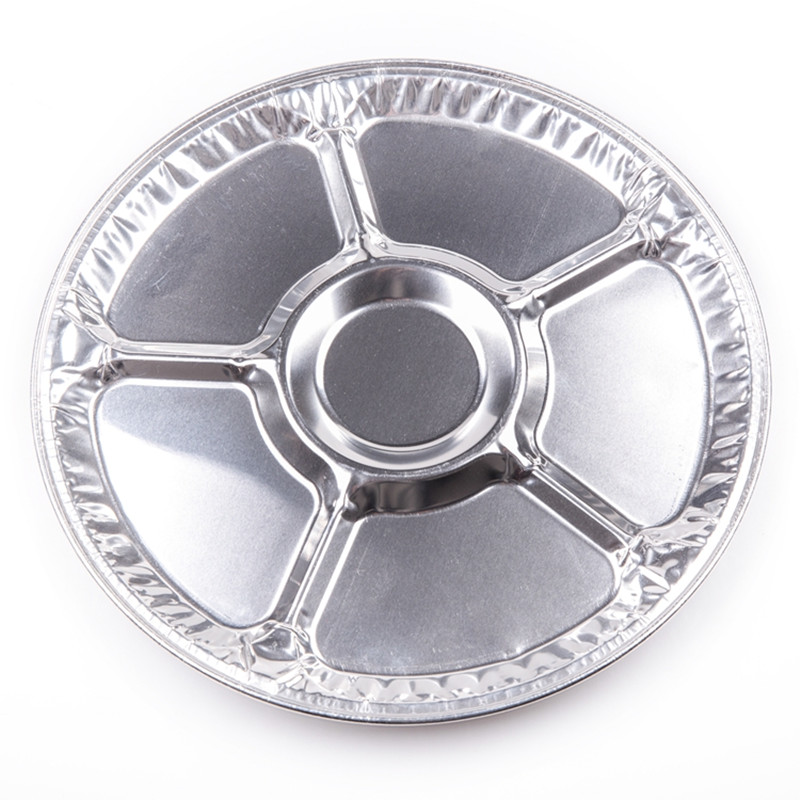
Importing foil pan products requires careful planning and informed decision-making. Whether you're sourcing foil pan containers for food service, catering, or retail distribution, understanding key factors before committing to large orders can save significant time, money, and operational disruption. Many importers make critical mistakes by focusing solely on price without considering quality, compliance, supplier reliability, and market fit. This guide walks you through the essential considerations that every importer should evaluate before buying foil pan products from suppliers.
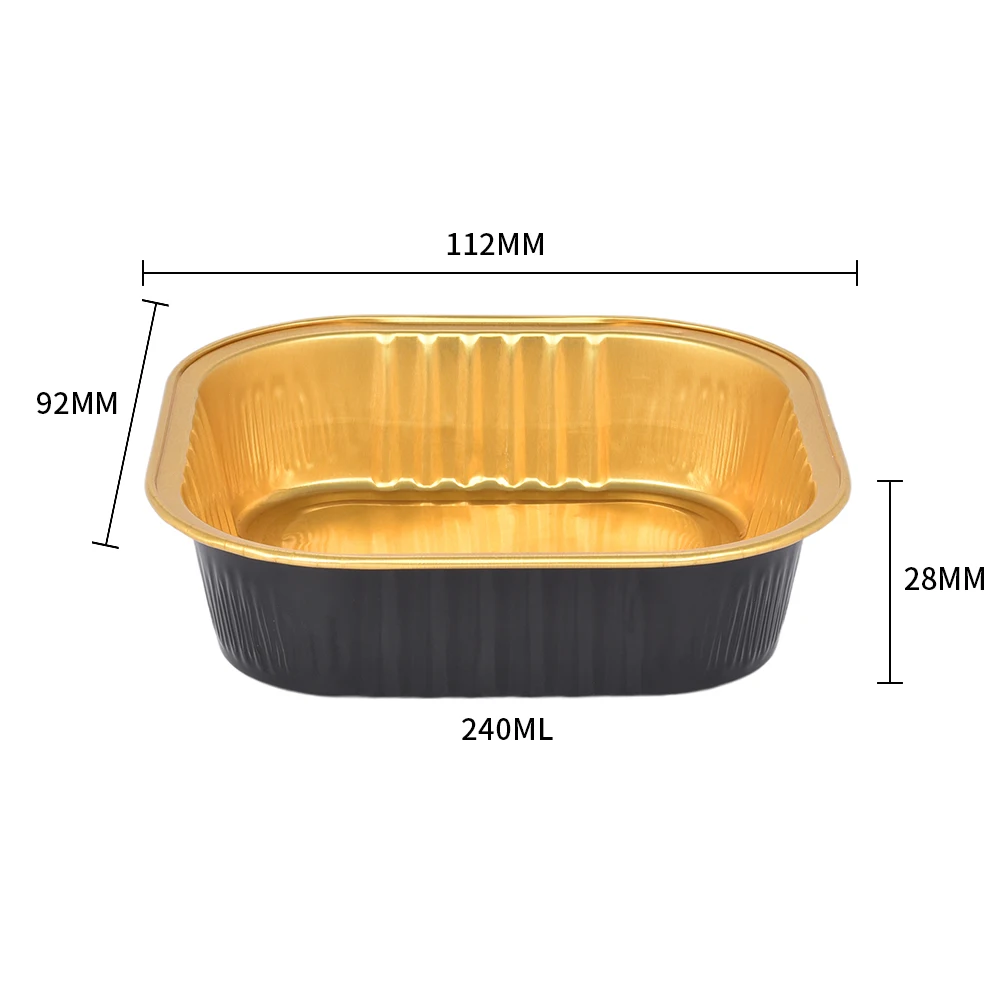
The foil pan market includes diverse product types, sizes, and material grades that serve different applications. Understanding your specific needs and market requirements is the foundation for successful purchasing decisions. A foil pan that works perfectly for one application may be entirely unsuitable for another, affecting product acceptance, customer satisfaction, and profitability. Before placing your first order, invest time in understanding your end-use requirements, regulatory environment, and supplier capabilities.
Quality Standards and Material Specifications
Material Grade and Thickness
The quality of a foil pan depends heavily on the aluminum grade and thickness used in manufacturing. Standard foil pan products are typically made from recycled or virgin aluminum with thickness ranging from 30 to 80 microns. Thicker foil pan containers offer better structural integrity, reduce puncture risk, and provide superior heat distribution for cooking applications. Importers should request specification sheets that clearly document the aluminum grade, thickness tolerance, and recycled content percentage before committing to purchase foil pan products in bulk.
Surface Treatment and Coating
Many foil pan suppliers apply surface coatings or treatments to improve durability and prevent sticking. These coatings may include non-stick surfaces, moisture barriers, or protective layers that extend product lifespan. When evaluating foil pan options, verify that any coating used complies with food safety regulations in your target market. Request documentation on coating composition, safety testing, and migration limits. A quality foil pan with proper coating maintains structural integrity throughout its intended use cycle, reducing waste and customer complaints.
Supplier Evaluation and Reliability
Production Capacity and Lead Times
Before buying foil pan products, assess whether your supplier can consistently meet your volume requirements and delivery schedules. Supplier production capacity directly impacts your ability to fulfill orders on time and scale operations as demand grows. Request historical production data, current capacity utilization, and documented lead times for your specific foil pan product specifications. Reliable suppliers provide transparent information about manufacturing schedules, anticipated delays, and capacity constraints. Building a relationship with a foil pan supplier who communicates proactively prevents costly supply chain disruptions.
Quality Control and Testing Protocols
Reputable foil pan manufacturers implement rigorous quality control systems that catch defects before shipping. When evaluating suppliers, ask about their inspection procedures, sampling rates, and testing standards for foil pan batches. Inquire whether the supplier conducts third-party testing, maintains quality certifications, or participates in industry audits. Request samples from multiple production runs to assess consistency in dimension accuracy, rim finish, and overall foil pan appearance. Suppliers who welcome questions about quality processes and readily provide test reports demonstrate commitment to reliability.
Regulatory Compliance and Market Requirements
Food Safety Certifications
Your target market dictates specific compliance requirements for foil pan products. In North America, foil pan containers must comply with FDA regulations governing food contact materials. The European Union enforces stricter standards through regulations like 1935/2004 EC on materials in contact with food. Before buying foil pan products intended for these markets, verify that the supplier's manufacturing processes meet applicable standards and maintain proper documentation. Request certificates of analysis, compliance statements, and traceability records that demonstrate your foil pan purchase meets all regulatory requirements.
Environmental and Recycling Standards
Increasing consumer demand for sustainable packaging has made environmental compliance crucial for foil pan product success. Many markets now require recycled content declarations, recyclability certifications, or carbon footprint reporting for foil pan containers. Before importing foil pan products, research whether your distribution channels require specific environmental certifications or labeling. Some retailers and food service operators only purchase foil pan items from suppliers meeting defined sustainability standards. Choosing a supplier who maintains environmental certifications ensures your foil pan products remain marketable as standards evolve.
Cost Structure and Total Cost of Ownership
Unit Pricing and Volume Discounts
While pricing is important, foil pan purchase decisions should never rely solely on unit cost comparisons. Evaluate the total cost of ownership by factoring in quality, reliability, freight, duties, and potential waste from defects. Request detailed price quotations that specify unit cost, minimum order quantities, volume discount tiers, and payment terms for your foil pan order. Compare pricing across multiple foil pan suppliers while maintaining consistent specifications to ensure accurate comparisons. Sometimes paying slightly more per unit for reliable quality and consistent foil pan performance delivers better overall value than pursuing the absolute lowest price.
Hidden Costs and Additional Fees
Many foil pan importers encounter unexpected costs that weren't included in initial quotes. These may include tooling fees, mold charges, packaging customization, labeling costs, inspection surcharges, or handling fees for your foil pan order. Before committing to purchasing foil pan products, request a comprehensive breakdown of all costs including freight, insurance, customs duties, and any supplier fees. Clarify payment terms, deposit requirements, and whether defective foil pan batches are replaced at no charge. Understanding the complete cost structure prevents budget surprises and enables accurate pricing decisions for your foil pan products.
Customization and Design Flexibility
Product Specifications and Sizing Options
The foil pan market offers numerous standard sizes, but customization options vary significantly among suppliers. Before buying foil pan containers, confirm whether your chosen supplier can produce your required dimensions or if they offer only standard sizes. Custom foil pan designs may require mold development, tooling costs, or minimum order quantities that impact your project feasibility. Request samples in multiple sizes to verify that the foil pan product dimensions, depth consistency, and rim design meet your application needs. Standard foil pan sizes generally have lower costs and faster lead times than customized options.
Branding and Packaging Options
Many importers require custom labeling, branding, or packaging for their foil pan products. Evaluate whether your supplier offers printing services, packaging customization, or value-added services for foil pan orders. Some foil pan suppliers partner with packaging vendors, while others handle all services in-house. Before finalizing your foil pan purchase agreement, clarify exactly what customization services are included, what costs extra, and what minimum volumes apply. Clear communication about foil pan branding and packaging specifications prevents delays and ensures your products arrive market-ready.
FAQ
What thickness should I choose for foil pan products?
Foil pan thickness depends on your intended application. For food storage and takeout containers, 40-50 micron foil pan is typically sufficient. For baking, cooking, or heavy-duty applications, choose 60-80 micron foil pan for better strength and heat distribution. Thicker foil pan provides durability but costs more per unit. Request your supplier's recommendations based on your specific use case, and order samples in different thicknesses to test performance before committing to large foil pan purchases.
How do I verify that foil pan products meet food safety standards?
Request documentation from your foil pan supplier including FDA compliance certificates, food contact material testing reports, and migration studies. Many foil pan manufacturers maintain ISO certifications or BRCGS food safety certifications. Ask your foil pan supplier for third-party laboratory test results proving that surface coatings don't migrate into food above regulatory limits. Cross-reference supplier claims against current regulations in your target market. Reputable foil pan suppliers provide comprehensive compliance documentation without hesitation and support your verification process.
What lead times should I expect for foil pan orders?
Standard foil pan products typically ship within 3-4 weeks after order confirmation. Custom foil pan designs or small volumes may require 6-8 weeks including tooling and setup time. Ocean freight adds 4-6 weeks depending on port locations and shipping routes. Before buying foil pan products, clarify your supplier's standard lead times, peak season delays, and whether expedited foil pan production is available at additional cost. Factor total lead time including freight into your purchasing timeline to ensure adequate stock for your business needs.