 EN
EN


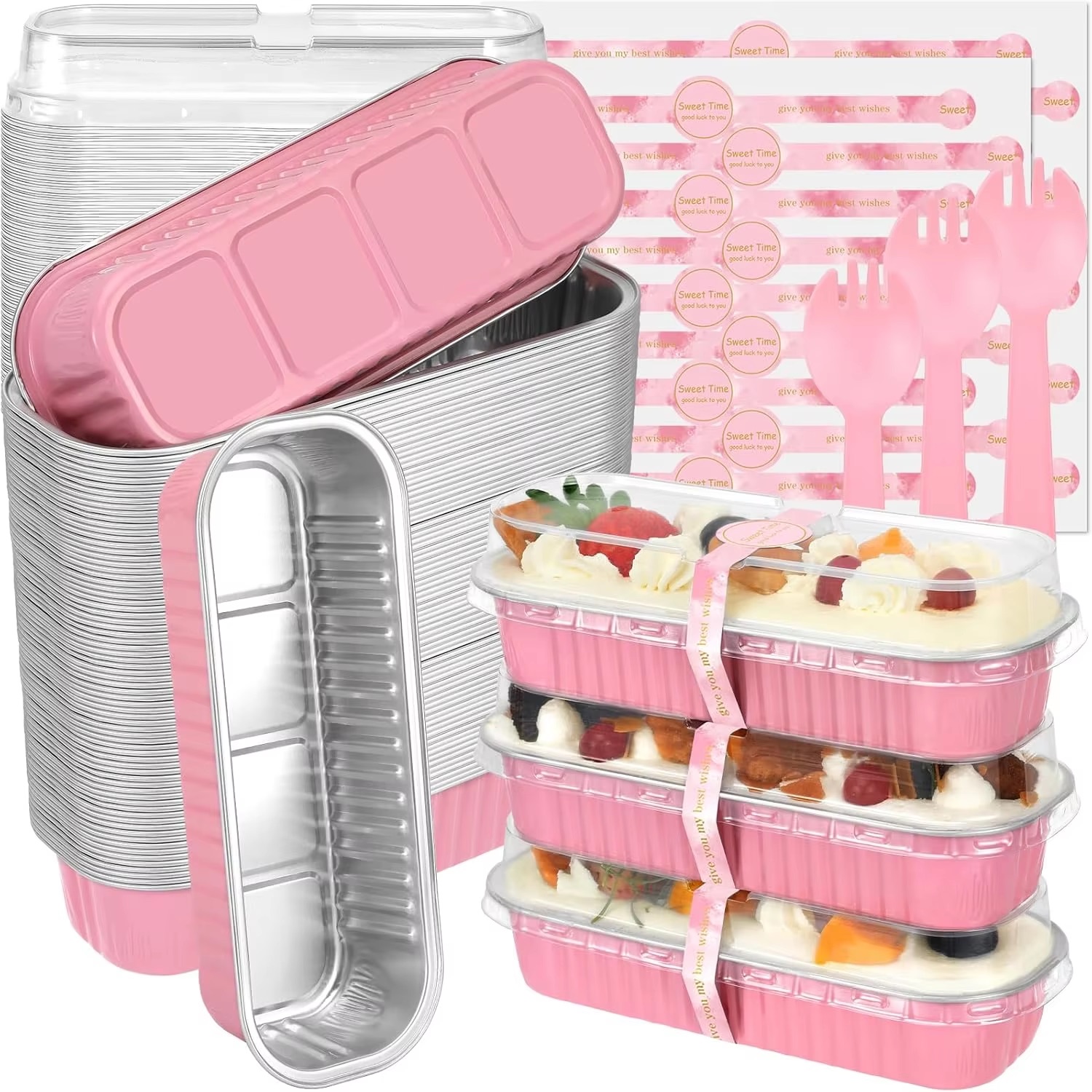
Commercial kitchens operate under intense pressure to maximize output while minimizing waste and labor costs. One of the most effective yet often overlooked tools for achieving this balance is the strategic use of foil pans. These versatile aluminum foil pans have become essential equipment in food service operations worldwide, enabling chefs and kitchen managers to streamline workflows, reduce prep time, and maintain consistent food quality across high-volume production. Understanding how foil pans improve efficiency reveals why they remain a cornerstone of modern commercial food preparation.
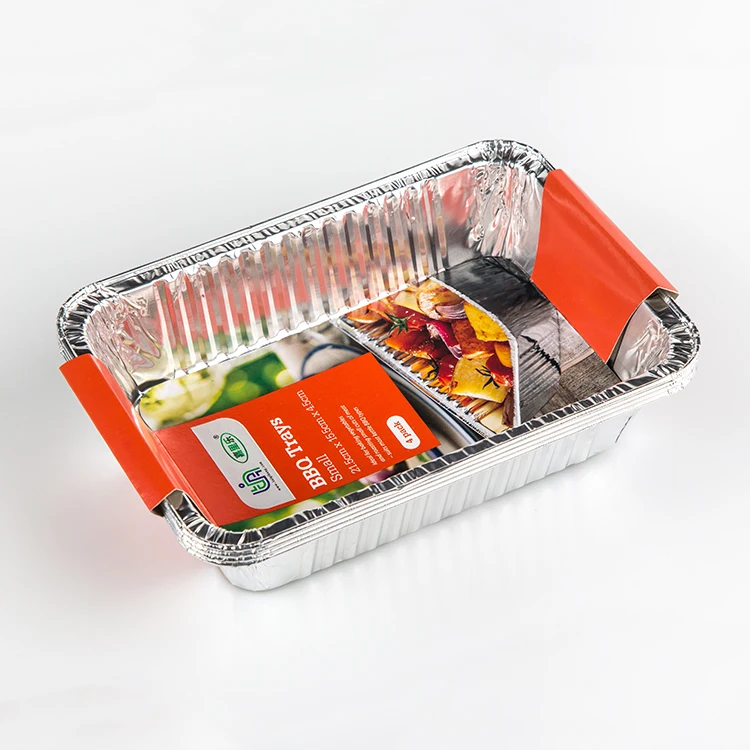
The efficiency gains from using foil pans extend far beyond simple convenience. Whether you operate a restaurant, catering company, hospital kitchen, or large-scale food production facility, foil pans address multiple operational bottlenecks simultaneously. This comprehensive approach to kitchen efficiency makes foil pans a worthwhile investment for any commercial food preparation environment seeking to optimize time, cost, and resource allocation.
Streamlined Food Preparation and Cooking Workflow
Reducing Preparation and Cooking Time
Foil pans eliminate the need for traditional preparation rituals that consume valuable kitchen time. Unlike metal sheet pans that require constant greasing, seasoning, and meticulous maintenance, foil pans arrive ready for immediate use. This ready-to-use feature of foil pans means your team can move directly from ingredient staging to cooking without interruption. For high-volume operations preparing hundreds of meals daily, this time savings accumulates dramatically. A busy banquet kitchen preparing fifty lasagnas simultaneously benefits enormously when each foil pans eliminates even five minutes of prep work per unit.
Cooking performance with foil pans also improves workflow efficiency through superior heat distribution. The aluminum construction of foil pans conducts heat evenly across the cooking surface, reducing hot spots and cold zones that require recipe adjustments or longer cooking times. This consistency means your team can confidently schedule multiple batches of foil pans in commercial ovens without constant monitoring or manual adjustments. Standardized cooking times for foil pans allow kitchen managers to coordinate multiple dishes simultaneously, maximizing oven capacity and reducing overall production time significantly.
Optimizing Storage and Movement
Efficient food storage directly impacts kitchen workflow, and foil pans excel in this area. The stackable nature of foil pans means your team can store prepared or cooked items vertically, maximizing cold storage space in crowded refrigerators. Unlike traditional pans that take up considerable shelf real estate, foil pans compress easily and store efficiently. When your prepared ingredients sit in foil pans in organized stacks rather than scattered across multiple shelves, kitchen staff spend less time searching for items and more time executing the actual cooking. This organizational advantage of foil pans translates directly into faster order fulfillment and more predictable kitchen throughput.
Minimizing Cleanup and Maintenance Burden
Eliminating Washing and Sanitization Requirements
The cleanup burden associated with traditional cooking equipment represents a hidden efficiency drain in most commercial kitchens. Conventional metal pans require thorough washing, scrubbing, and high-temperature sanitization after every use. This process ties up both labor hours and equipment resources. Foil pans eliminate this entirely by being disposable after single use. Your kitchen staff no longer needs to spend time scrubbing baked-on food residue or running pans through commercial dishwashing cycles. For operations handling thousands of meals weekly, this elimination of pan washing creates substantial labor savings. Instead of assigning personnel to dishwashing duties for hours daily, that workforce can focus on food preparation and customer service, improving overall kitchen productivity.
The elimination of pan maintenance also reduces product quality variability. Traditional pans accumulate microscopic scratches, residue buildup, and seasoning inconsistencies that subtly affect cooking performance. Foil pans arrive clean and consistent every time, guaranteeing uniform cooking results across all batches. This consistency reduces the need for recipe adjustments and staff troubleshooting, making the cooking process more predictable and easier to train new team members on.
Reducing Cross-Contamination Risk
Food safety protocols become significantly easier to manage when using disposable foil pans. Each foil pans arrives sterile and clean, eliminating concerns about residual contamination from previous uses. This is particularly critical in kitchens handling multiple protein types, allergens, or specialized dietary requirements. Using dedicated foil pans for different ingredient categories removes ambiguity about whether a pan has been properly sanitized between uses. The hygiene confidence provided by foil pans reduces food safety incidents and simplifies compliance documentation for health inspections. Kitchen managers can definitively verify that each foil pans started clean, improving your facility's overall safety record and regulatory standing.
Cost Control and Resource Optimization
Reducing Long-Term Equipment Expenses
While foil pans involve per-unit material costs, the total cost of ownership often favors foil pans over traditional cookware when analyzing the complete financial picture. Traditional metal pans require significant capital investment, regular replacement when damaged, and ongoing maintenance supplies like scouring pads and sanitizing solutions. The labor costs associated with washing and inspecting traditional pans frequently exceed the material cost of foil pans. By switching to foil pans, your facility eliminates expensive equipment replacement cycles and reduces ancillary supply expenses substantially. Many commercial kitchens find that switching to foil pans actually decreases their total food preparation costs despite the per-unit material expense.
Improving Portion Control and Waste Reduction
Foil pans contribute to operational efficiency by improving portion consistency and reducing food waste. When your kitchen staff portions food into foil pans using standardized containers, portion sizes remain consistent across all meals. This consistency improves customer satisfaction through predictable serving sizes and reduces complaints about portion inequality. Additionally, the visibility provided by foil pans helps kitchen staff visually verify portion sizes at a glance, catching under- or over-portioning immediately. Reducing waste through consistent portioning directly improves profit margins. The visual consistency of foil pans also helps managers quickly identify operational problems where prep batches are yielding inconsistent quantities, allowing for faster problem resolution and adjustments.
Scalability and Production Flexibility
Meeting Demand Fluctuations Without Equipment Stress
Commercial food operations frequently experience demand variability based on seasons, events, or market conditions. Managing this variability with traditional equipment requires maintaining excess capacity or rapidly acquiring additional pans during peak periods. Foil pans eliminate this constraint by allowing unlimited scaling without capital investment. Your kitchen can easily double or triple production capacity during busy periods simply by purchasing additional foil pans, with no concern about equipment durability or maintenance backlogs. This scalability advantage of foil pans makes them ideal for catering companies, event venues, and seasonal food service operations where demand varies significantly.
Enabling Diverse Preparation Techniques
Different dishes require different cooking containers and temperatures. Foil pans accommodate this diversity elegantly through their range of available sizes and shapes. Your kitchen can use deep foil pans for braised meats, shallow foil pans for roasted vegetables, and standard foil pans for baked proteins, all from a single supply inventory. This versatility of foil pans reduces the need to maintain multiple specialized equipment types. When foil pans can handle everything from steaming to baking to holding prepared foods, your facility eliminates equipment redundancy and simplifies kitchen organization. Staff training becomes simpler when they work with familiar foil pans across numerous applications rather than learning specialized equipment for each cooking method.
FAQ
How do foil pans compare to stainless steel pans in terms of heat distribution?
Aluminum foil pans conduct heat very efficiently, often providing more uniform heat distribution than standard stainless steel pans, particularly in commercial ovens. High-quality foil pans eliminate hot spots that plague older or lower-quality traditional pans. However, professional-grade commercial stainless steel pans can match foil pans performance when properly maintained. The key advantage of foil pans remains the elimination of maintenance burden rather than superior heat performance alone.
Can foil pans withstand high-temperature commercial cooking methods?
Yes, commercial-grade foil pans are specifically engineered to withstand the demanding temperatures found in professional kitchens. Most quality foil pans handle temperatures up to four hundred fifty degrees Fahrenheit comfortably. Your kitchen should verify temperature ratings on foil pans before use, but standard commercial foil pans work reliably for virtually all traditional cooking methods including baking, roasting, braising, and holding prepared foods at service temperatures.
What environmental considerations should guide foil pans purchasing decisions?
While disposable foil pans generate waste, many facilities find that the efficiency gains justify this environmental tradeoff, particularly when considering the water and energy savings from eliminating dishwashing cycles. Some operations mitigate environmental impact by composting foil pans where local facilities accept aluminum or by implementing programs that recycle used foil pans rather than sending them to landfills. Balancing operational efficiency with environmental responsibility remains an important consideration for any facility adopting foil pans.