 EN
EN


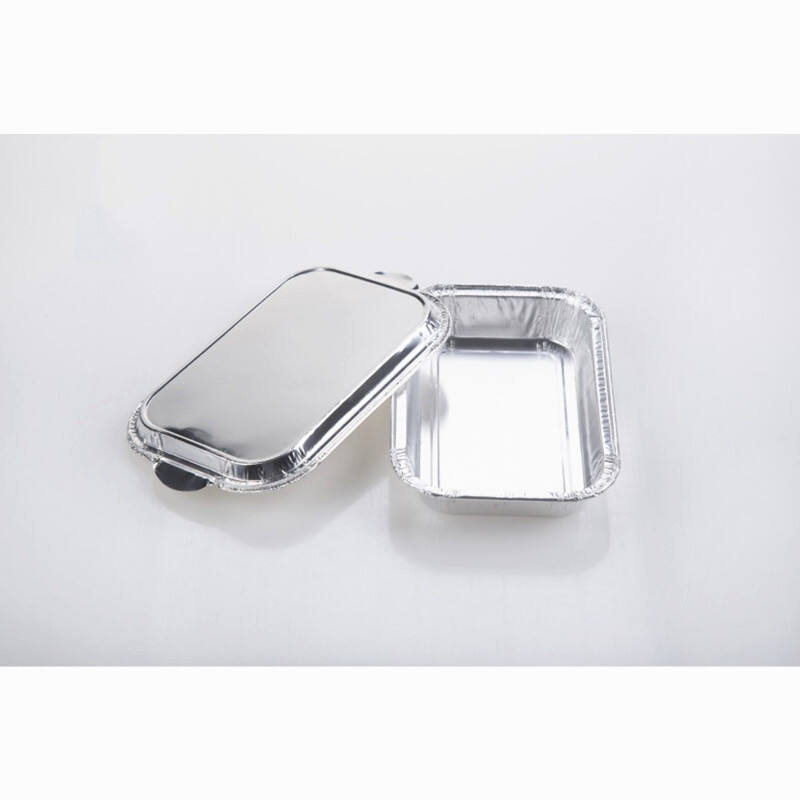
The food service industry relies heavily on packaging solutions that maintain food quality, safety, and freshness during transport and storage. Modern restaurants, catering businesses, and food delivery services require reliable containers that protect meals from contamination while preserving taste and temperature. Foil containers with lids have emerged as the gold standard for food packaging, offering superior protection and versatility that meets the demanding needs of commercial food operations.
Professional food establishments understand that packaging quality directly impacts customer satisfaction and business reputation. The right container system prevents leakage, maintains optimal temperatures, and ensures food arrives in perfect condition. Aluminum-based packaging solutions provide exceptional barrier properties that protect against moisture, light, and external contaminants that could compromise food integrity.
Superior Barrier Protection and Food Safety
Moisture and Air Barrier Properties
Aluminum foil containers create an exceptional barrier against moisture intrusion and air exposure, two primary factors that accelerate food spoilage. The metallic structure of these containers forms a nearly impermeable seal when combined with properly fitted lids, preventing humidity from affecting food texture and flavor. This barrier protection is particularly crucial for maintaining the quality of sauces, gravies, and other moisture-sensitive preparations.
The airtight seal achieved by foil containers with lids prevents oxidation reactions that cause food to lose nutritional value and develop off-flavors. Professional kitchens rely on this protection to ensure that prepared meals maintain their intended taste profiles during extended storage periods. The aluminum material effectively blocks light transmission, which can degrade certain vitamins and cause color changes in sensitive ingredients.
Contamination Prevention
Food safety regulations require strict contamination prevention measures throughout the food service chain. These specialized containers provide a sterile environment that protects against bacterial growth and cross-contamination risks. The smooth, non-porous surface of aluminum prevents bacteria from adhering and multiplying, making it easier to maintain hygienic conditions during food preparation and storage.
Professional food handlers appreciate how foil containers with lids eliminate the risk of foreign object contamination during transport. The secure lid closure prevents dust, insects, and other environmental contaminants from accessing stored food items. This level of protection is essential for maintaining compliance with health department regulations and ensuring customer safety.
Temperature Control and Thermal Efficiency
Heat Retention Capabilities
Aluminum's excellent thermal conductivity properties make it ideal for maintaining optimal food temperatures during delivery and service. Hot foods remain at safe serving temperatures longer when stored in properly designed foil containers, reducing the risk of bacterial growth that occurs when foods enter the temperature danger zone. This thermal efficiency helps restaurants maintain food quality standards while extending service windows.
The reflective properties of aluminum help retain radiant heat within the container, creating a warming effect that keeps food at appropriate temperatures. Professional caterers rely on this thermal performance to ensure that large quantities of food remain hot and safe for extended periods during events and gatherings. The combination of aluminum material and tight-fitting lids creates an optimal environment for heat retention.
Cold Storage Performance
Cold food items benefit equally from the thermal properties of foil containers with lids when proper refrigeration practices are followed. The aluminum material quickly adapts to refrigerated environments, helping maintain consistent cold temperatures throughout the food mass. This rapid temperature equilibration is crucial for preventing spoilage in perishable items like dairy products, fresh salads, and prepared desserts.
Commercial food operations appreciate how these containers maintain cold chain integrity during transport from central kitchens to service locations. The thermal conductivity that aids in rapid cooling also helps prevent temperature fluctuations that could compromise food safety. This performance characteristic makes foil containers with lids an excellent choice for meal prep operations and institutional food services.
Structural Integrity and Leak Prevention
Robust Construction Design
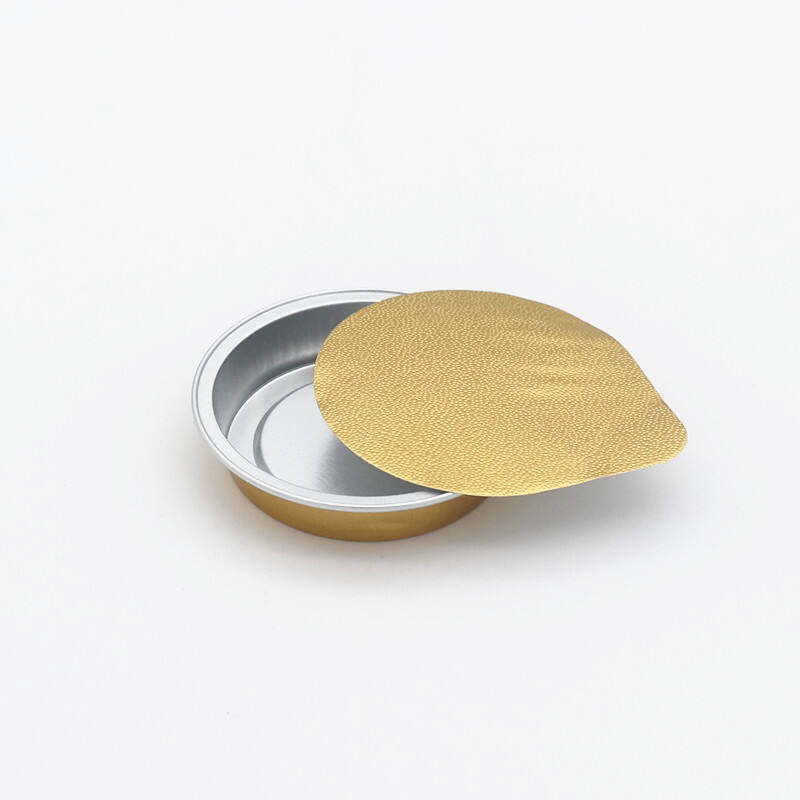
Modern foil containers feature reinforced construction that withstands the rigors of commercial food service operations. The aluminum material provides excellent structural integrity that prevents crushing and deformation during stacking, transport, and handling. Professional kitchens require packaging that maintains its shape under various stress conditions, from loaded delivery vehicles to busy service lines.
The seamless construction of quality foil containers eliminates weak points where leaks typically occur in other packaging types. This robust design ensures that liquid-based foods like soups, stews, and sauce-heavy dishes remain contained throughout the entire service process. Food service operators value this reliability, as it prevents costly cleanup and maintains professional presentation standards.
Secure Lid Sealing Systems
Advanced lid designs create positive seals that prevent both liquid leakage and vapor escape from stored foods. The rim design of foil containers with lids ensures proper alignment and compression, creating a barrier that maintains food integrity during transport and storage. This sealing efficiency is particularly important for delivery services where container handling may be less controlled.
Professional food packaging systems incorporate multiple sealing mechanisms to ensure reliable closure under various conditions. The flexibility of aluminum allows lids to conform to container rims, creating custom fits that accommodate slight variations in manufacturing tolerances. This adaptability ensures consistent sealing performance across large quantities of containers used in commercial operations.
Versatility in Food Service Applications
Multi-Purpose Functionality
The versatility of foil containers with lids makes them suitable for a wide range of food service applications, from fine dining takeout to institutional meal programs. These containers accommodate various food types, including hot entrees, cold salads, desserts, and combination meals that require temperature separation. Professional chefs appreciate packaging that adapts to diverse menu offerings without compromising food quality or presentation.
Commercial kitchens benefit from standardized container systems that work across multiple food categories, reducing inventory complexity and training requirements. The uniform performance of foil containers with lids across different food types simplifies operational procedures and ensures consistent results. This versatility extends to reheating applications, where the same containers can transition from storage to warming without requiring transfer to different vessels.
Portion Control and Presentation
Standardized container sizes help food service operations maintain consistent portion control while presenting food attractively to customers. The professional appearance of quality foil containers with lids enhances the perceived value of takeout and delivery meals. Restaurants can maintain brand standards and customer expectations by using packaging that reflects their commitment to quality and attention to detail.
The clean lines and professional finish of aluminum containers complement food presentation, making them suitable for upscale establishments that prioritize visual appeal. The reflective surface of the material can enhance the appearance of certain foods, while the secure lid system ensures that presentation remains intact during delivery. This combination of functionality and aesthetics makes foil containers with lids a preferred choice for premium food service operations.
Environmental Considerations and Sustainability
Recyclability and Resource Efficiency
Aluminum represents one of the most recyclable materials in commercial packaging, with the ability to be recycled indefinitely without losing its structural properties. Food service operations increasingly prioritize sustainable packaging solutions that align with environmental responsibility goals. Foil containers with lids support circular economy principles by maintaining material value through multiple use cycles.
The lightweight nature of aluminum packaging reduces transportation costs and carbon emissions associated with food delivery operations. Professional logistics managers appreciate how the strength-to-weight ratio of foil containers with lids optimizes shipping efficiency while maintaining protection standards. This efficiency translates to both cost savings and environmental benefits for large-scale food service operations.
Waste Reduction Benefits
The superior food preservation properties of aluminum containers help reduce food waste by extending shelf life and maintaining quality during storage. Professional food service operations recognize that packaging investments that prevent spoilage provide significant returns through reduced waste costs. The protective barrier created by foil containers with lids helps maximize the usable life of prepared foods.
Durability characteristics of aluminum packaging reduce the likelihood of container failure that leads to food loss and cleanup costs. Commercial kitchens benefit from packaging reliability that minimizes operational disruptions and maintains consistent service quality. This performance reliability supports both economic efficiency and environmental sustainability in food service operations.
FAQ
How long can food safely remain in foil containers with lids
Food safety guidelines recommend that hot foods in foil containers with lids should not remain at room temperature for more than two hours, or one hour if ambient temperature exceeds 90°F. When properly refrigerated, most prepared foods can safely remain in these containers for 3-4 days. The excellent barrier properties of aluminum help maintain food quality throughout the recommended storage periods when proper temperature control is maintained.
Can foil containers with lids be used for reheating food
Yes, aluminum foil containers are excellent for reheating food in conventional ovens and toaster ovens, but should never be used in microwave ovens due to safety concerns. The thermal conductivity of aluminum ensures even heat distribution during reheating, helping restore food to proper serving temperatures. Always remove lids before reheating and ensure internal temperatures reach safe levels before serving.
Are foil containers with lids suitable for freezing prepared meals
Foil containers with lids perform excellently for freezer storage, maintaining food quality for extended periods when properly sealed. The aluminum material prevents freezer burn and maintains food integrity during frozen storage. These containers are ideal for meal prep operations and bulk food storage, providing reliable protection against moisture loss and flavor degradation during freezing.
How do foil containers compare to plastic alternatives for food safety
Foil containers with lids offer superior barrier protection compared to most plastic alternatives, providing better resistance to moisture, air, and light penetration. Aluminum containers do not absorb odors or flavors from stored foods, maintaining the integrity of sensitive preparations. The non-porous surface of aluminum also provides better sanitation properties and reduces the risk of bacterial contamination compared to some plastic materials.