 EN
EN


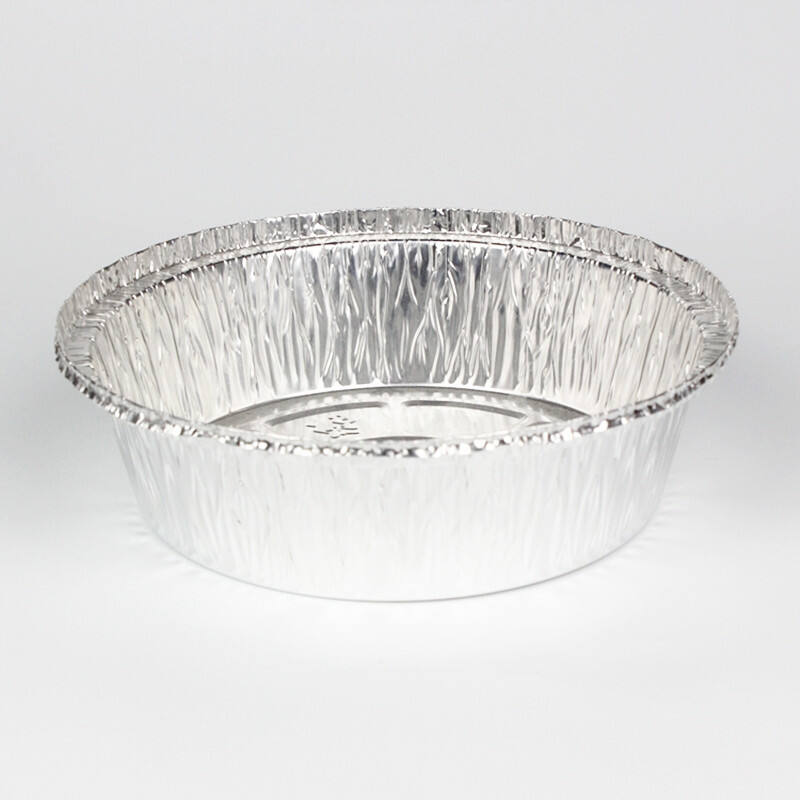
The food service industry has witnessed unprecedented growth in takeout and delivery services, creating an urgent need for packaging solutions that maintain food quality while ensuring convenience. Among the various container options available, aluminum foil baking pans have emerged as the preferred choice for restaurants, caterers, and food delivery services worldwide. These versatile containers offer exceptional heat retention, durability, and cost-effectiveness that make them indispensable for modern food operations. Their unique properties address the critical challenges faced by food businesses in maintaining temperature, preventing spillage, and ensuring customer satisfaction during transport.
Superior Heat Retention and Temperature Control
Exceptional Thermal Conductivity Properties
The fundamental advantage of aluminum foil baking pans lies in their remarkable thermal conductivity, which enables efficient heat distribution and retention throughout the container. Aluminum's natural properties allow it to absorb heat quickly during cooking and maintain that temperature for extended periods during transport. This characteristic ensures that hot foods remain warm and appetizing when they reach customers, significantly enhancing the dining experience. The material's ability to conduct heat evenly also prevents hot spots that could lead to uneven food quality or burning during preparation.
Restaurant operators particularly value this thermal stability because it extends the viable delivery radius for their services. Foods packaged in aluminum containers can maintain optimal serving temperatures for up to two hours, depending on environmental conditions and insulation methods. This extended temperature retention window allows businesses to expand their delivery zones without compromising food quality, ultimately increasing revenue potential and market reach.
Microwave-Safe Heating Solutions
Modern aluminum foil baking pans are engineered to be microwave-safe, providing customers with convenient reheating options without transferring food to different containers. This feature addresses a common consumer pain point in food delivery, where customers often struggle with reheating meals that have cooled during transport. The microwave compatibility eliminates the need for additional dishware, reducing cleanup time and enhancing overall convenience for busy consumers.
The microwave-safe design also supports portion control and food safety initiatives. Customers can reheat only the portions they intend to consume immediately, keeping the remaining food sealed and protected in the original container. This capability is particularly valuable for family-style meals or bulk orders where different family members may eat at different times throughout the day.
Durability and Structural Integrity
Robust Construction for Transport Challenges
The construction quality of aluminum foil baking pans provides exceptional resistance to crushing, tearing, and deformation during the handling and transportation process. Unlike paper-based containers that can become soggy or compromised when exposed to moisture and grease, aluminum maintains its structural integrity throughout the entire delivery journey. This durability is crucial for maintaining food presentation and preventing messy spills that could damage delivery vehicles or frustrate customers.
Professional food service operations rely on this durability to maintain their reputation and minimize costly damages. The robust nature of these containers means fewer complaints about damaged orders, reduced waste from container failures, and lower replacement costs. Additionally, the strong construction allows for secure stacking during transport, maximizing delivery efficiency and reducing the number of trips required for large orders.
Leak-Proof Performance Standards
Quality aluminum foil baking pans feature seamless construction and tight-fitting lids that create effective barriers against leaks and spills. This leak-proof performance is essential for saucy dishes, soups, and gravies that are popular in takeout orders but challenging to transport safely. The secure sealing prevents cross-contamination between different food items and protects delivery bags from grease and liquid damage.
The leak-proof design also supports food safety protocols by maintaining proper containment throughout the cold chain and delivery process. This containment is particularly important for businesses serving high-risk foods or operating in markets with strict health department regulations. The reliable sealing performance reduces liability concerns and demonstrates professional commitment to food safety standards.
Cost-Effectiveness and Operational Efficiency
Competitive Pricing Advantages
The manufacturing efficiency of aluminum foil baking pans translates into significant cost savings for food service operations compared to alternative packaging materials. The lightweight nature of aluminum reduces shipping costs during procurement, while the durability minimizes waste from damaged containers. These cost advantages become particularly pronounced for high-volume operations where packaging expenses represent a significant portion of operational overhead.
Bulk purchasing opportunities further enhance the economic benefits of aluminum containers. Suppliers typically offer volume discounts that can reduce per-unit costs by twenty to thirty percent for large orders. This pricing structure supports the growth of delivery-focused restaurants and ghost kitchens that rely on disposable packaging for their entire service model.
Streamlined Kitchen Operations
The versatility of aluminum foil baking pans allows them to serve multiple functions within commercial kitchen operations, from initial cooking to final packaging. This multi-use capability eliminates the need for transferring food between cooking vessels and takeout containers, reducing labor costs and minimizing contamination risks. Kitchen staff can prepare, cook, and package orders using the same container, significantly streamlining workflow during busy periods.
The time savings achieved through this streamlined process become critical during peak ordering periods when efficiency directly impacts customer satisfaction and order accuracy. Restaurants can process orders more quickly, reducing wait times and improving overall service quality. This operational efficiency also reduces kitchen stress and helps maintain consistent food quality even during high-demand periods.
Environmental Considerations and Sustainability
Recyclability and Waste Reduction
Aluminum stands out among packaging materials for its excellent recyclability properties, supporting environmental sustainability initiatives that are increasingly important to consumers and businesses alike. Used aluminum foil baking pans can be recycled indefinitely without losing their material properties, making them a more environmentally responsible choice compared to single-use plastic containers. This recyclability aligns with corporate sustainability goals and helps businesses meet environmental compliance requirements.
The recycling process for aluminum also requires significantly less energy compared to producing new aluminum from raw materials, reducing the overall environmental footprint of packaging operations. Many communities have established aluminum recycling programs that make it convenient for consumers to dispose of used containers responsibly, creating a positive environmental impact that extends beyond the immediate business transaction.
Reduced Food Waste Impact
The superior food preservation qualities of aluminum foil baking pans contribute to reduced food waste by maintaining food quality and safety for extended periods. This preservation capability means customers are more likely to consume their entire orders rather than discarding food that has deteriorated during transport or storage. The extended shelf life also allows customers to save portions for later consumption, reducing overall food waste in households.
From a business perspective, the reduced waste translates into improved customer satisfaction and fewer complaints about food quality. Restaurants benefit from fewer remakes and refunds related to food quality issues, while customers enjoy better value from their takeout purchases. This mutual benefit creates a positive cycle that supports both business profitability and environmental sustainability.
Versatility Across Food Categories
Compatibility with Diverse Cuisines
The neutral properties of aluminum foil baking pans make them suitable for virtually any type of cuisine, from acidic tomato-based dishes to alkaline preparations. This universal compatibility eliminates the need for restaurants to stock multiple container types for different menu items, simplifying inventory management and reducing storage requirements. The containers perform equally well with hot and cold foods, wet and dry preparations, making them ideal for diverse restaurant concepts.
International cuisine restaurants particularly benefit from this versatility, as aluminum containers can accommodate everything from curry dishes with complex spice profiles to delicate pastries that require gentle handling. The containers do not impart flavors or odors to food, ensuring that authentic tastes are preserved throughout the delivery process. This flavor neutrality is crucial for maintaining the integrity of ethnic dishes that depend on precise seasoning balance.
Size Options for Portion Control
Modern aluminum foil baking pans are available in numerous size configurations to accommodate different portion sizes and meal types. This variety enables restaurants to optimize packaging costs by selecting containers that closely match their serving sizes, minimizing waste while ensuring adequate food protection. Smaller containers work well for side dishes and desserts, while larger sizes accommodate family meals and catering orders.
The standardized sizing also supports consistent portioning practices that help control food costs and maintain profit margins. Kitchen staff can easily identify appropriate container sizes for different menu items, reducing errors and ensuring consistent customer experiences. This standardization is particularly valuable for franchise operations where consistency across locations is essential for brand integrity.
FAQ
Are aluminum foil baking pans safe for all types of food
Yes, aluminum foil baking pans are safe for virtually all food types, including acidic foods like tomatoes and citrus-based dishes. Modern food-grade aluminum containers are specifically manufactured to resist corrosion and maintain food safety standards. They do not react with food ingredients or impart metallic tastes, making them suitable for everything from delicate sauces to robust meat dishes. The FDA approves aluminum containers for direct food contact, and they meet all safety requirements for commercial food service operations.
How long can food stay warm in aluminum foil containers
Food typically remains at safe serving temperatures in aluminum foil baking pans for 45 minutes to 2 hours, depending on initial temperature, container size, and environmental conditions. The excellent thermal conductivity of aluminum helps maintain heat longer than most other packaging materials. For optimal results, food should be packaged at proper serving temperature and containers should be covered with tight-fitting lids. Using insulated delivery bags can extend the temperature retention period significantly.
Can aluminum foil baking pans be used in conventional ovens
Most aluminum foil baking pans can withstand conventional oven temperatures up to 450°F, making them suitable for reheating and finishing dishes. However, it's important to verify the manufacturer's temperature specifications, as some lightweight containers may have lower temperature limits. When using in ovens, avoid direct contact with heating elements and ensure proper ventilation. The containers should not be used under broilers or at temperatures exceeding their rated capacity to prevent warping or damage.
How do aluminum containers compare to plastic alternatives for delivery
Aluminum foil baking pans offer superior heat retention, durability, and recyclability compared to plastic containers. While plastic may be slightly less expensive upfront, aluminum provides better food quality preservation during transport and reduces the risk of container failure. Aluminum containers can be recycled indefinitely, whereas most plastic takeout containers are single-use items that contribute to landfill waste. The thermal properties of aluminum also eliminate concerns about chemicals leaching into food at high temperatures, a potential issue with some plastic containers.