 EN
EN


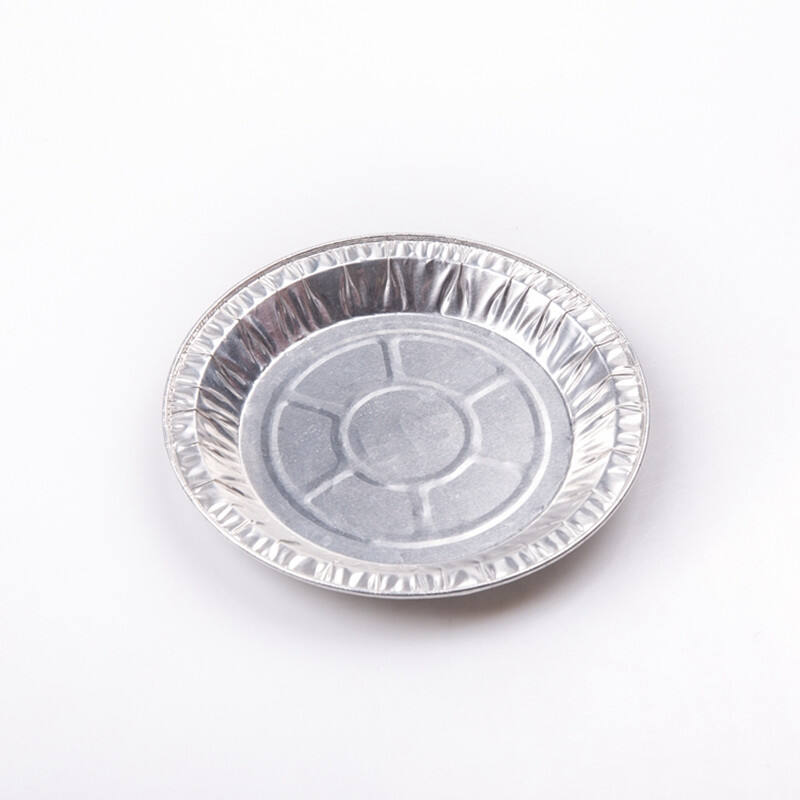
Food service professionals face constant challenges in maintaining quality and safety when transporting prepared meals from kitchen to customer. The choice of container plays a crucial role in preserving temperature, preventing contamination, and ensuring food arrives in optimal condition. Aluminum foil pans have emerged as the preferred solution for restaurants, catering businesses, and food delivery services seeking reliable transport containers. These versatile containers offer superior heat retention, durability, and convenience that traditional plastic or paper containers cannot match. Understanding proper implementation strategies ensures maximum effectiveness in preserving food quality throughout the delivery process.
Temperature Management Strategies
Heat Retention Properties
The thermal conductivity of aluminum foil pans creates an optimal environment for maintaining food temperature during transport. These containers distribute heat evenly across their surface, preventing hot spots and cold zones that can compromise food quality. The reflective properties of aluminum help retain internal heat while creating a barrier against external temperature fluctuations. Professional kitchens utilize this characteristic by preheating aluminum foil pans before transferring hot foods, maximizing initial temperature retention. This technique proves particularly effective for maintaining optimal serving temperatures in dishes like roasted meats, casseroles, and baked goods.
Strategic layering techniques enhance the temperature retention capabilities of aluminum foil pans significantly. Food service professionals often employ double-walling methods, placing one container inside another with insulating materials between layers. This approach creates an air pocket that acts as additional thermal protection during extended transport periods. The lightweight nature of aluminum foil pans makes this layering approach practical without adding excessive weight to delivery loads.
Insulation Integration Methods
Combining aluminum foil pans with proper insulation systems creates powerful temperature control solutions for food transport. Thermal bags designed specifically for aluminum containers maximize the heat retention properties while providing additional protection against external temperature variations. The compatibility between aluminum foil pans and various insulation materials allows for customized transport solutions based on specific delivery requirements and distance factors.
Professional delivery services implement zone-specific insulation strategies, using different thermal protection levels based on anticipated transport duration. Short-distance deliveries may require minimal additional insulation beyond the aluminum container itself, while longer routes benefit from comprehensive thermal management systems. The modular nature of aluminum foil pans allows for efficient stacking within insulated carriers, optimizing space utilization while maintaining temperature consistency across multiple orders.
Contamination Prevention Techniques
Secure Sealing Methods
Preventing contamination during transport requires systematic sealing approaches that leverage the structural advantages of aluminum foil pans. These containers accept various closure methods, from traditional foil covers to specialized lids designed for secure transport. The malleable nature of aluminum allows for custom-fitted seals that conform to container edges, creating airtight barriers against external contaminants. Professional food handlers utilize crimping techniques that ensure secure closure while maintaining easy opening accessibility for end consumers.
Multi-layer protection systems enhance contamination prevention when using aluminum foil pans for sensitive food items. Food safety protocols often recommend combining aluminum containers with food-grade plastic wrapping or protective films. This dual-barrier approach provides redundant protection against moisture infiltration, airborne contaminants, and physical damage during transport. The chemical inertness of aluminum foil pans ensures no interaction with protective wrapping materials, maintaining food safety integrity throughout the delivery process.
Hygiene Protocol Implementation
Maintaining sterile conditions when utilizing aluminum foil pans requires adherence to established food safety protocols and proper handling procedures. These containers arrive pre-sanitized from manufacturers, eliminating initial contamination concerns while providing clean transfer surfaces for prepared foods. Staff training emphasizes proper loading techniques that minimize direct hand contact with food contact surfaces, utilizing appropriate utensils and gloves throughout the packaging process.
Quality control checkpoints ensure consistent hygiene standards when preparing aluminum foil pans for transport. Visual inspections verify container integrity, checking for dents, holes, or manufacturing defects that could compromise food safety. Documentation systems track container usage, enabling traceability in case of contamination incidents while supporting continuous improvement efforts in food safety protocols.
Structural Protection Features
Impact Resistance Characteristics
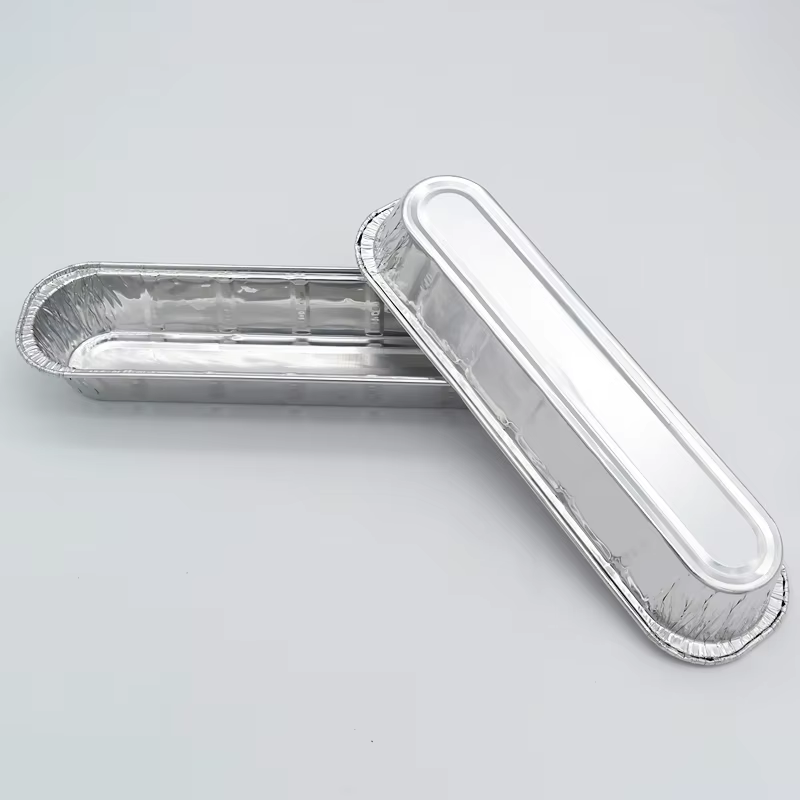
The inherent durability of aluminum foil pans provides essential protection against transport-related damage that commonly affects food quality. These containers resist deformation under normal handling conditions, maintaining their shape and structural integrity even when subjected to stacking pressures during delivery. The flexibility of aluminum allows for minor impact absorption without cracking or breaking, unlike rigid plastic alternatives that may fail catastrophically under stress.
Strategic reinforcement techniques enhance the protective capabilities of aluminum foil pans for challenging transport conditions. Double-bottom construction methods increase puncture resistance while maintaining lightweight characteristics essential for efficient delivery operations. Professional catering services often specify heavier gauge aluminum foil pans for extended transport routes or when carrying dense food items that require additional structural support.
Moisture Control Systems
Effective moisture management prevents food degradation and maintains texture quality when transporting meals in aluminum foil pans. These containers naturally resist moisture penetration from external sources while allowing controlled vapor release when properly configured. Perforation patterns in aluminum lids enable precise humidity control, preventing condensation buildup that can compromise food quality and presentation.
Advanced moisture control implementations utilize specially designed venting systems integrated with aluminum foil pans. These systems maintain optimal humidity levels for different food categories, preventing sogginess in fried items while retaining necessary moisture in baked goods and casseroles. The non-reactive nature of aluminum ensures moisture control additives or desiccants can be safely incorporated without affecting food flavor or safety.
Cost-Effectiveness Analysis
Operational Efficiency Gains
Implementing aluminum foil pans in food transport operations delivers measurable efficiency improvements that translate into significant cost savings over time. These containers eliminate washing and sanitization requirements associated with reusable transport containers, reducing labor costs and utility expenses while accelerating order turnaround times. The lightweight nature of aluminum foil pans reduces fuel consumption in delivery vehicles, particularly beneficial for high-volume operations managing multiple daily routes.
Inventory management becomes simplified when utilizing aluminum foil pans as primary transport containers. Unlike reusable alternatives that require tracking and recovery systems, these disposable containers eliminate inventory shrinkage concerns and associated replacement costs. Food service operations report improved cash flow from eliminating deposit systems and reducing administrative overhead related to container management programs.
Quality Preservation Economics
The superior food preservation capabilities of aluminum foil pans reduce customer complaints and return rates, protecting profit margins and brand reputation. These containers maintain food quality standards that minimize waste from temperature-related deterioration during transport. Professional analysis demonstrates that investment in quality aluminum foil pans generates positive returns through reduced food replacement costs and enhanced customer satisfaction metrics.
Long-term cost analysis reveals aluminum foil pans provide competitive advantages through consistent performance and reliability. Unlike plastic containers that may fail unpredictably, aluminum maintains structural integrity throughout its service life, reducing unexpected replacement costs and emergency procurement expenses. The recyclable nature of aluminum also supports sustainability initiatives that increasingly influence purchasing decisions in commercial food service operations.
Implementation Best Practices
Staff Training Requirements
Successful implementation of aluminum foil pans in food transport operations requires comprehensive staff training covering proper handling techniques and quality control procedures. Training programs emphasize the unique characteristics of aluminum containers, including optimal loading methods, appropriate sealing techniques, and temperature management protocols. Hands-on demonstrations ensure staff understand proper stacking methods that maximize transport efficiency while preventing damage to containers and contents.
Ongoing education programs keep staff updated on emerging best practices and new aluminum foil pan technologies entering the market. Regular competency assessments verify proper technique implementation while identifying areas requiring additional training focus. Quality assurance protocols include spot checks and performance monitoring to ensure consistent application of proper handling procedures across all staff members.
Quality Assurance Protocols
Establishing systematic quality assurance protocols ensures consistent performance when utilizing aluminum foil pans for food transport applications. These protocols begin with incoming inspection procedures that verify container specifications, checking for proper dimensions, gauge thickness, and manufacturing quality. Documentation systems track performance metrics, including temperature retention times, customer feedback scores, and container failure rates.
Continuous improvement processes analyze quality data to optimize aluminum foil pan selection and implementation strategies. Performance benchmarks establish expectations for different food categories and transport conditions, enabling data-driven decisions regarding container specifications and handling procedures. Regular supplier evaluations ensure consistent quality standards while identifying opportunities for enhanced performance or cost optimization.
FAQ
What temperature range can aluminum foil pans safely maintain during food transport?
Aluminum foil pans effectively maintain food temperatures between 140°F and 200°F for extended periods when properly insulated during transport. These containers excel at preserving hot food temperatures for 2-4 hours depending on external conditions and insulation methods. Cold applications work equally well, with aluminum foil pans maintaining refrigerated temperatures below 40°F when combined with appropriate cooling systems.
How do aluminum foil pans compare to other transport containers for food safety?
Aluminum foil pans provide superior food safety performance compared to plastic or paper alternatives due to their non-porous surface that resists bacterial growth and contamination. The heat conductivity properties enable effective pasteurization during initial food transfer, while the chemical inertness prevents flavor contamination or toxic leaching concerns. These containers also provide better structural integrity, reducing spillage risks that can create safety hazards during transport.
Can aluminum foil pans be recycled after single-use food transport applications?
Yes, aluminum foil pans are fully recyclable and can be processed through standard municipal recycling programs after proper cleaning to remove food residues. The recycling process for aluminum is highly efficient, with recycled aluminum retaining all original properties while requiring only 5% of the energy needed for primary aluminum production. Many food service operations implement collection programs that capture used aluminum foil pans for recycling, supporting sustainability initiatives while reducing waste disposal costs.
What sizes of aluminum foil pans work best for different food transport applications?
Standard aluminum foil pan sizes range from individual portion containers (8-16 oz capacity) to large catering trays (2200ml and larger) suitable for family-style meals or bulk food service. Medium-sized containers (32-64 oz) prove most versatile for restaurant delivery applications, accommodating most entree portions while fitting efficiently in standard delivery bags. Large aluminum foil pans work best for catering operations, institutional food service, or family meal deliveries where quantity and heat retention are primary concerns.
Table of Contents
- Temperature Management Strategies
- Contamination Prevention Techniques
- Structural Protection Features
- Cost-Effectiveness Analysis
- Implementation Best Practices
-
FAQ
- What temperature range can aluminum foil pans safely maintain during food transport?
- How do aluminum foil pans compare to other transport containers for food safety?
- Can aluminum foil pans be recycled after single-use food transport applications?
- What sizes of aluminum foil pans work best for different food transport applications?