 EN
EN


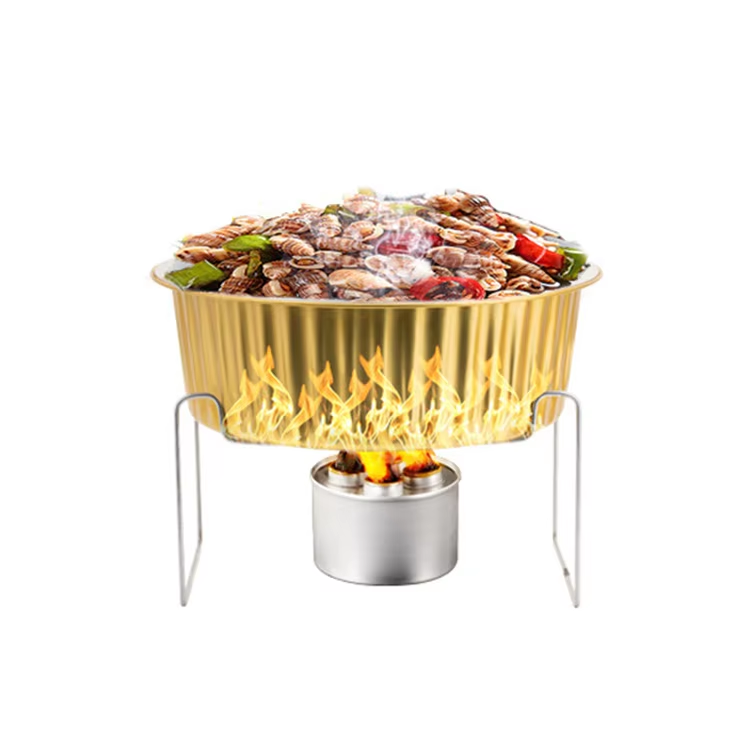
Food safety and hygiene have become paramount concerns in today's foodservice industry, driving restaurants, catering companies, and food manufacturers to seek innovative packaging solutions. Y3000 aluminum foil containers represent a breakthrough in food packaging technology, offering superior protection against contamination while maintaining the integrity of prepared meals. These advanced containers combine robust construction with food-grade materials to create an effective barrier against external contaminants, ensuring that food remains safe from preparation to consumption. The growing demand for reliable food packaging has positioned Y3000 aluminum foil containers as an essential component in modern food safety protocols
Advanced Barrier Properties of Y3000 Aluminum Foil Containers
Superior Moisture Protection
The exceptional barrier properties of Y3000 aluminum foil containers stem from their advanced multilayer construction that effectively blocks moisture infiltration. This moisture protection is crucial for maintaining food quality, as excess humidity can promote bacterial growth and compromise food safety standards. The aluminum foil construction creates an impermeable seal that prevents condensation buildup, which often leads to foodborne illness when left unchecked. Food establishments utilizing these containers report significantly reduced spoilage rates compared to traditional packaging methods.
Commercial kitchens benefit tremendously from the moisture-blocking capabilities of Y3000 aluminum foil containers, particularly when storing prepared foods for extended periods. The containers maintain optimal moisture levels within the food while preventing external humidity from penetrating the packaging. This dual protection ensures that perishable items retain their original texture and nutritional value throughout the storage and transportation process.
Oxygen Barrier Technology
Oxygen exposure represents one of the primary causes of food deterioration, leading to rancidity, color changes, and nutrient loss in prepared meals. Y3000 aluminum foil containers incorporate sophisticated oxygen barrier technology that significantly extends food shelf life by preventing oxidative reactions. The aluminum construction creates an effective seal against atmospheric oxygen, maintaining food freshness for extended periods without requiring additional preservatives or chemical additives.
The oxygen barrier properties of these containers prove especially valuable for fatty foods, which are particularly susceptible to oxidative rancidity. Restaurants and catering services using Y3000 aluminum foil containers observe marked improvements in food quality retention, allowing them to prepare meals in advance without compromising taste or safety standards. This technology enables food service providers to optimize their operations while maintaining strict hygiene protocols.
Temperature Resistance and Food Safety Applications
High-Temperature Performance
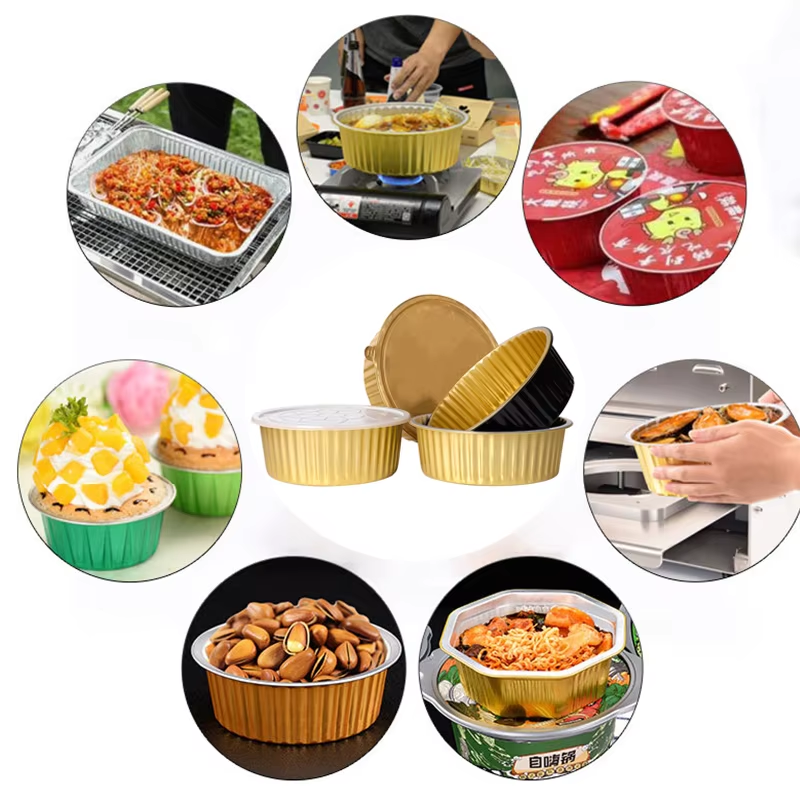
The exceptional temperature resistance of Y3000 aluminum foil containers makes them ideal for various food safety applications requiring heat exposure. These containers withstand temperatures up to 220°C without structural degradation, allowing food service establishments to utilize them in ovens, warming units, and steam tables safely. The heat-stable construction ensures that no harmful chemicals leach into food products, even under extreme temperature conditions.
Food safety regulations increasingly emphasize the importance of maintaining proper holding temperatures to prevent bacterial proliferation. Y3000 aluminum foil containers excel in hot-holding applications, maintaining food at safe serving temperatures while preventing contamination from external sources. The consistent heat distribution properties of aluminum ensure uniform temperature maintenance throughout the container volume.
Freezer-Safe Construction
The versatility of Y3000 aluminum foil containers extends to freezer applications, where they maintain structural integrity at temperatures as low as -40°C. This freezer compatibility enables food service operations to implement comprehensive cold chain management strategies, from initial food preparation through final consumption. The containers resist cracking and deformation under extreme cold conditions, ensuring package integrity throughout the frozen storage period.
Frozen food safety depends heavily on maintaining consistent packaging integrity to prevent ice crystal formation and freezer burn. Y3000 aluminum foil containers provide superior protection against these common issues, preserving food quality and safety during extended frozen storage periods. The containers' ability to transition seamlessly from freezer to heating appliances streamlines kitchen operations while maintaining food safety standards.
Hygiene Benefits in Food Service Operations
Contamination Prevention
The smooth, non-porous surface of Y3000 aluminum foil containers creates an inhospitable environment for bacterial colonization, significantly reducing contamination risks in food service operations. Unlike porous materials that can harbor microorganisms, the aluminum surface allows for easy cleaning and sanitization when containers are reused for specific applications. This characteristic makes these containers particularly valuable in healthcare facilities and other environments where strict hygiene standards are mandatory.
Cross-contamination prevention represents a critical aspect of food safety management, and Y3000 aluminum foil containers provide effective barriers between different food items during storage and transportation. The containers' tight-sealing capabilities prevent the transfer of flavors, odors, and potentially harmful microorganisms between adjacent food products. Food service managers report significant improvements in overall hygiene scores when implementing these containers in their operations.
Easy Cleaning and Sanitization
The cleaning efficiency of Y3000 aluminum foil containers contributes substantially to maintaining high hygiene standards in commercial food operations. The non-stick properties of the aluminum surface facilitate easy removal of food residues, reducing the time and effort required for proper sanitization. This efficiency translates to improved workflow in busy kitchen environments while ensuring consistent hygiene compliance.
Sanitization protocols for Y3000 aluminum foil containers align with established food safety guidelines, requiring only standard cleaning agents and procedures. The chemical resistance of the aluminum construction ensures that sanitizing solutions effectively eliminate pathogens without damaging the container structure. This durability allows for multiple use cycles in appropriate applications, providing cost-effective hygiene solutions for food service establishments.
Regulatory Compliance and Safety Standards
Food Grade Certification
Y3000 aluminum foil containers meet stringent food grade certification requirements established by international safety organizations, ensuring complete compliance with food contact regulations. These certifications guarantee that the containers contain no harmful chemicals that could migrate into food products under normal use conditions. The rigorous testing processes required for certification provide food service operators with confidence in the safety and reliability of these packaging solutions.
Regulatory agencies worldwide recognize the safety profile of properly manufactured aluminum food containers, and Y3000 aluminum foil containers exceed these minimum requirements through enhanced manufacturing processes. The containers undergo continuous quality monitoring to ensure consistent compliance with evolving food safety regulations. This commitment to regulatory compliance protects both food service operators and end consumers from potential health risks.
HACCP Integration
The integration of Y3000 aluminum foil containers into Hazard Analysis Critical Control Points (HACCP) systems enhances overall food safety management effectiveness. These containers support critical control points related to temperature management, contamination prevention, and traceability throughout the food supply chain. The consistent performance characteristics of the containers enable food safety managers to establish reliable monitoring procedures and corrective actions.
HACCP implementation requires packaging solutions that maintain food safety integrity throughout all stages of food handling, and Y3000 aluminum foil containers provide the reliability necessary for effective hazard control. The containers' resistance to physical damage and contamination helps maintain the integrity of established critical limits, reducing the risk of food safety failures that could compromise consumer health.
Environmental Impact and Sustainability
Recyclability Advantages
The environmental benefits of Y3000 aluminum foil containers extend beyond their food safety properties, offering significant advantages in terms of recyclability and resource conservation. Aluminum ranks among the most recyclable materials available, with the ability to be recycled indefinitely without loss of quality or performance characteristics. This recyclability makes Y3000 aluminum foil containers an environmentally responsible choice for food service operations seeking to reduce their ecological footprint.
Recycling programs for aluminum containers have become increasingly accessible in commercial and residential settings, enabling widespread participation in sustainable waste management practices. Food service establishments using Y3000 aluminum foil containers can implement comprehensive recycling initiatives that demonstrate environmental responsibility to customers and regulatory agencies. The high value of recycled aluminum also provides economic incentives for proper waste management practices.
Resource Efficiency
The manufacturing efficiency of Y3000 aluminum foil containers contributes to overall resource conservation by maximizing material utilization and minimizing waste generation. Advanced production techniques ensure optimal use of raw materials while maintaining the structural integrity and performance characteristics essential for food safety applications. This efficiency translates to reduced environmental impact throughout the container lifecycle.
Resource efficiency considerations encompass not only manufacturing processes but also transportation and storage logistics, where Y3000 aluminum foil containers offer significant advantages. The lightweight construction reduces shipping costs and fuel consumption, while the stackable design maximizes storage efficiency in warehouses and food service facilities. These logistical benefits contribute to overall sustainability while maintaining superior food safety performance.
FAQ
Are Y3000 aluminum foil containers safe for microwave use
Y3000 aluminum foil containers are specifically designed for microwave safety when used according to manufacturer guidelines. The containers feature specialized construction that prevents arcing and allows for safe microwave heating of food products. However, users should ensure proper spacing from microwave walls and avoid using containers with damaged edges or metallic decorations that could cause safety issues.
How do Y3000 aluminum foil containers compare to plastic containers for food safety
Y3000 aluminum foil containers offer superior barrier properties compared to most plastic alternatives, providing better protection against oxygen, moisture, and light exposure that can compromise food safety. Unlike plastic containers that may contain potentially harmful chemicals like BPA, aluminum containers are chemically inert and do not leach substances into food products. Additionally, aluminum containers can withstand higher temperatures without structural degradation or chemical migration.
What is the shelf life of food stored in Y3000 aluminum foil containers
The shelf life of food stored in Y3000 aluminum foil containers depends on the specific food product and storage conditions, but these containers typically extend food freshness by 25-50% compared to conventional packaging methods. The superior barrier properties prevent oxidation and moisture loss, while the airtight sealing capabilities maintain optimal food quality for extended periods. Proper temperature control and handling practices further enhance food preservation effectiveness.
Can Y3000 aluminum foil containers be reused safely
Y3000 aluminum foil containers can be safely reused for appropriate applications when properly cleaned and sanitized according to food safety protocols. The non-porous aluminum surface allows for effective cleaning and disinfection, making reuse feasible for certain food service operations. However, containers should be inspected for damage before reuse, and single-use applications are recommended for high-risk food products or in facilities serving vulnerable populations.