 EN
EN


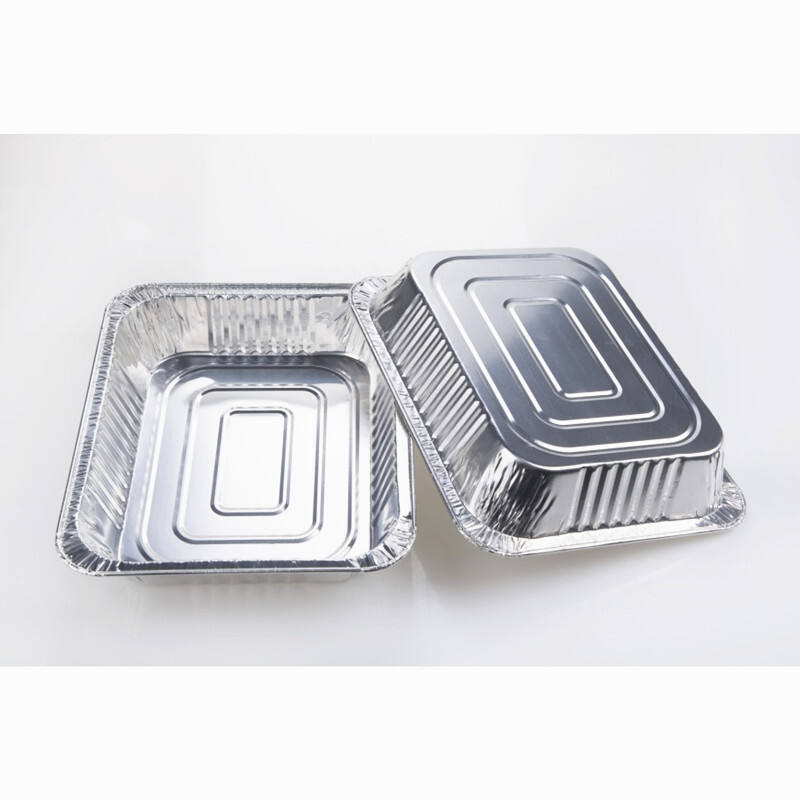
The food packaging industry has witnessed tremendous growth in recent years, with aluminum foil packaging emerging as one of the most versatile and reliable solutions for businesses across various sectors. From restaurants and catering services to retail food manufacturers, selecting the right aluminum foil packaging that meets stringent health and safety standards has become a critical decision factor that directly impacts product quality, customer satisfaction, and regulatory compliance.
Modern consumers are increasingly health-conscious and demand packaging solutions that not only preserve food quality but also ensure complete safety throughout the supply chain. Understanding the essential criteria for evaluating aluminum foil packaging options enables businesses to make informed decisions that protect their brand reputation while meeting evolving market demands. The complexity of health and safety regulations requires careful consideration of multiple factors, from material composition to manufacturing processes and certification requirements.
Understanding Regulatory Standards for Food-Grade Aluminum Foil Packaging
FDA Compliance Requirements
The Food and Drug Administration maintains strict guidelines for aluminum foil packaging used in direct food contact applications. These regulations specify acceptable aluminum grades, coating materials, and manufacturing processes that ensure consumer safety. Compliance with FDA standards requires manufacturers to demonstrate that their aluminum foil packaging does not transfer harmful substances to food products under normal use conditions. Regular testing protocols verify that migration levels remain within established safety thresholds for various food types and storage conditions.
Businesses must verify that their chosen aluminum foil packaging suppliers maintain current FDA registrations and provide comprehensive documentation supporting compliance claims. This includes certificates of analysis, migration testing reports, and detailed material specifications that demonstrate adherence to federal food safety standards. Understanding these requirements helps procurement teams evaluate potential suppliers more effectively and reduces the risk of regulatory violations that could result in costly recalls or legal issues.
International Certification Standards
Beyond FDA requirements, global aluminum foil packaging standards encompass certifications from organizations such as the European Food Safety Authority, Health Canada, and other international regulatory bodies. These standards often include additional testing requirements for heavy metals, organic compounds, and physical properties that ensure comprehensive safety evaluation. Businesses operating in multiple markets must ensure their aluminum foil packaging meets the most stringent applicable standards to facilitate international trade and maintain consistent quality across all distribution channels.
Third-party certification programs provide independent verification of compliance with international standards, offering additional assurance to businesses and consumers. These certifications typically require regular audits of manufacturing facilities, ongoing quality monitoring, and periodic re-evaluation of safety protocols. Selecting aluminum foil packaging with recognized international certifications demonstrates commitment to quality and helps build consumer trust in global markets.
Material Quality Assessment Criteria
Aluminum Grade and Purity Standards
The quality of aluminum used in food packaging directly impacts safety and performance characteristics. Food-grade aluminum typically requires purity levels exceeding 99% to minimize the presence of potentially harmful trace elements. High-purity aluminum exhibits superior corrosion resistance, enhanced barrier properties, and reduced risk of unwanted chemical interactions with food products. Manufacturers of quality aluminum foil packaging invest in premium raw materials that exceed minimum purity requirements to ensure consistent performance and safety.
Evaluating aluminum grade specifications requires understanding the relationship between alloy composition and intended use applications. Different aluminum grades offer varying levels of formability, strength, and barrier properties that influence packaging performance. Businesses should request detailed material specifications from suppliers and verify that the selected aluminum grade aligns with their specific product requirements and regulatory obligations.
Surface Treatment and Coating Evaluation
Surface treatments applied to aluminum foil packaging significantly impact food safety and product compatibility. Lacquer coatings, polymer films, and other protective treatments must undergo rigorous safety testing to ensure they do not introduce harmful substances into the food supply chain. These treatments serve multiple functions, including enhanced barrier properties, improved printability, and increased resistance to acidic or alkaline food products that might otherwise cause aluminum migration.
Quality aluminum foil packaging manufacturers utilize FDA-approved coating materials and maintain detailed records of treatment processes. Businesses should request information about coating composition, application methods, and safety testing protocols to ensure comprehensive evaluation of potential food contact materials. Understanding the purpose and safety profile of various surface treatments enables more informed decision-making when selecting aluminum foil packaging for specific applications.
Manufacturing Process Standards and Quality Control
Facility Hygiene and Sanitation Protocols
Manufacturing facilities producing aluminum foil packaging for food applications must maintain exceptional hygiene standards throughout the production process. These facilities typically implement Hazard Analysis and Critical Control Points systems to identify and control potential contamination risks. Regular sanitation procedures, air quality monitoring, and personnel hygiene protocols ensure that finished aluminum foil packaging meets stringent cleanliness requirements before reaching end users.
Facility certifications such as SQF, BRC, or ISO 22000 provide independent verification of manufacturing hygiene standards and quality management systems. These certifications require comprehensive documentation of cleaning procedures, pest control measures, and environmental monitoring programs that maintain optimal conditions for food-grade aluminum foil packaging production. Businesses should prioritize suppliers with current facility certifications and established quality management systems.
Testing and Inspection Procedures
Comprehensive testing programs ensure that aluminum foil packaging meets all applicable safety and performance standards before market release. These programs typically include migration testing, mechanical property evaluation, and microbiological assessment to verify product safety and functionality. Advanced testing equipment and standardized protocols provide consistent, reliable results that support regulatory compliance and quality assurance objectives.
Quality control procedures should encompass raw material inspection, in-process monitoring, and finished product verification to maintain consistent aluminum foil packaging quality. Statistical process control methods help identify trends and variations that could impact product safety or performance. Businesses should request detailed information about supplier testing capabilities and quality control procedures to ensure alignment with their own quality standards and regulatory requirements.
Performance Characteristics and Safety Features
Barrier Properties and Food Preservation
Effective aluminum foil packaging provides superior barrier protection against moisture, oxygen, light, and other environmental factors that can compromise food quality and safety. The barrier performance directly impacts shelf life, nutritional retention, and overall product integrity throughout the distribution chain. High-quality aluminum foil packaging maintains consistent barrier properties under various storage conditions and temperature ranges commonly encountered in commercial food applications.
Barrier property testing should include evaluation under accelerated aging conditions to predict long-term performance and identify potential failure modes. Understanding how aluminum foil packaging performs over extended periods helps businesses optimize inventory management and ensure product quality throughout the intended shelf life. Suppliers should provide detailed barrier property data and performance predictions for specific application requirements.
Temperature Resistance and Thermal Stability
Many aluminum foil packaging applications involve exposure to elevated temperatures during cooking, reheating, or sterilization processes. Temperature resistance specifications must account for both the aluminum substrate and any applied coatings or treatments to ensure safety under intended use conditions. Quality aluminum foil packaging maintains structural integrity and does not release harmful substances when exposed to typical cooking temperatures in conventional ovens, microwaves, or other heating equipment.
Thermal stability testing evaluates aluminum foil packaging performance under various heating scenarios to identify safe operating parameters and potential limitations. This testing helps establish clear usage guidelines and safety warnings that protect consumers while maximizing product utility. Businesses should verify that their selected aluminum foil packaging has undergone appropriate thermal testing and carries clear temperature guidance for end users.
Supplier Evaluation and Certification Verification
Documentation and Traceability Requirements
Comprehensive documentation systems enable effective traceability throughout the aluminum foil packaging supply chain, from raw material sourcing to finished product delivery. This documentation should include material certificates, testing reports, manufacturing records, and quality control data that support safety claims and regulatory compliance. Robust traceability systems facilitate rapid response to quality issues and demonstrate due diligence in supplier management practices.
Suppliers of quality aluminum foil packaging maintain detailed batch records and implement tracking systems that enable lot-specific identification throughout the distribution process. This capability proves essential for managing product recalls, investigating quality complaints, and maintaining compliance with regulatory reporting requirements. Businesses should evaluate supplier documentation capabilities and establish clear expectations for record-keeping and information sharing.
Audit and Verification Processes
Regular supplier audits provide direct verification of manufacturing capabilities, quality systems, and compliance with established standards. These audits should evaluate facility conditions, equipment capabilities, personnel training, and documentation systems to ensure ongoing alignment with safety and quality requirements. Professional audit protocols help identify potential risks and improvement opportunities that enhance overall aluminum foil packaging quality.
Third-party verification services offer independent assessment of supplier capabilities and compliance status. These services typically include facility inspections, document reviews, and testing verification that provide objective evaluation of supplier performance. Utilizing professional verification services demonstrates commitment to quality and helps mitigate risks associated with supplier relationships in the aluminum foil packaging supply chain.
Cost-Benefit Analysis and Long-Term Considerations
Total Cost of Ownership Evaluation
Selecting aluminum foil packaging based solely on initial purchase price often overlooks significant long-term costs associated with quality issues, regulatory compliance, and customer satisfaction. Total cost of ownership analysis considers factors such as product performance, shelf life extension, waste reduction, and brand protection value that impact overall profitability. Quality aluminum foil packaging frequently provides superior value through enhanced performance characteristics and reduced risk of costly quality failures.
Long-term cost considerations should include potential recall expenses, regulatory penalties, and brand damage costs associated with substandard aluminum foil packaging selection. Investing in premium packaging solutions that exceed minimum requirements often proves more economical than addressing quality issues after market introduction. Businesses should develop comprehensive cost models that account for all relevant factors when evaluating aluminum foil packaging options.
Sustainability and Environmental Impact
Modern consumers increasingly prioritize environmental sustainability when making purchasing decisions, making the environmental impact of aluminum foil packaging an important consideration. Recyclability, renewable energy usage in manufacturing, and sustainable sourcing practices contribute to the overall environmental profile of packaging solutions. Quality aluminum foil packaging suppliers often invest in environmental management systems and sustainability initiatives that align with customer values and regulatory trends.
Life cycle assessment methodologies provide comprehensive evaluation of environmental impacts associated with different aluminum foil packaging options. These assessments consider energy consumption, greenhouse gas emissions, water usage, and end-of-life disposal scenarios to identify more sustainable alternatives. Businesses committed to environmental responsibility should prioritize suppliers with documented sustainability programs and transparent environmental reporting.
Implementation Guidelines and Best Practices
Procurement Strategy Development
Developing effective procurement strategies for aluminum foil packaging requires balancing safety requirements, performance specifications, cost constraints, and supply chain reliability. Successful strategies typically include supplier diversification, quality assurance protocols, and contingency planning that ensure consistent access to compliant packaging materials. Clear procurement specifications and evaluation criteria help streamline supplier selection and minimize risks associated with aluminum foil packaging decisions.
Procurement teams should establish relationships with multiple qualified suppliers to ensure supply chain resilience and competitive pricing for aluminum foil packaging requirements. Regular market monitoring and supplier performance evaluation help identify emerging opportunities and potential risks that could impact packaging strategies. Proactive procurement approaches enable businesses to adapt quickly to changing market conditions and regulatory requirements.
Quality Assurance Integration
Integrating aluminum foil packaging quality assurance into broader food safety management systems ensures consistent compliance and performance across all product lines. This integration should include incoming material inspection, supplier performance monitoring, and periodic verification testing that validates ongoing compliance with established standards. Systematic quality assurance approaches help identify trends and implement preventive measures that maintain high safety and quality standards.
Staff training programs should cover aluminum foil packaging safety requirements, handling procedures, and quality evaluation techniques to ensure consistent implementation of safety protocols. Regular training updates keep personnel informed about evolving regulations and best practices in aluminum foil packaging management. Well-trained staff serve as the first line of defense against quality issues and help maintain compliance with safety standards throughout the organization.
FAQ
What certifications should I look for when selecting aluminum foil packaging for food applications?
Look for FDA compliance documentation, food-grade material certifications, and third-party facility certifications such as SQF, BRC, or ISO 22000. These certifications provide independent verification that the aluminum foil packaging meets established safety and quality standards. Additionally, request migration testing reports and material safety data sheets that demonstrate compliance with food contact regulations.
How can I verify that aluminum foil packaging will perform safely at high temperatures?
Request thermal stability testing reports that evaluate the aluminum foil packaging performance under your intended use conditions. This testing should include both the aluminum substrate and any applied coatings or treatments. Verify that the supplier provides clear temperature guidelines and usage instructions that ensure safe performance throughout the expected temperature range for your application.
What documentation should suppliers provide to demonstrate compliance with health and safety standards?
Comprehensive documentation should include FDA registration certificates, material specifications, migration testing reports, certificates of analysis, and facility audit reports. Suppliers should also provide traceability records, quality control data, and detailed information about manufacturing processes and quality management systems. This documentation enables thorough evaluation of compliance status and ongoing monitoring of supplier performance.
How often should I review and update my aluminum foil packaging specifications?
Review specifications annually or whenever regulations change, new products are introduced, or quality issues arise. Regular reviews ensure that specifications remain current with evolving safety standards and performance requirements. Additionally, monitor supplier performance continuously and conduct periodic audits to verify ongoing compliance with established specifications and quality standards.
Table of Contents
- Understanding Regulatory Standards for Food-Grade Aluminum Foil Packaging
- Material Quality Assessment Criteria
- Manufacturing Process Standards and Quality Control
- Performance Characteristics and Safety Features
- Supplier Evaluation and Certification Verification
- Cost-Benefit Analysis and Long-Term Considerations
- Implementation Guidelines and Best Practices
-
FAQ
- What certifications should I look for when selecting aluminum foil packaging for food applications?
- How can I verify that aluminum foil packaging will perform safely at high temperatures?
- What documentation should suppliers provide to demonstrate compliance with health and safety standards?
- How often should I review and update my aluminum foil packaging specifications?