 EN
EN


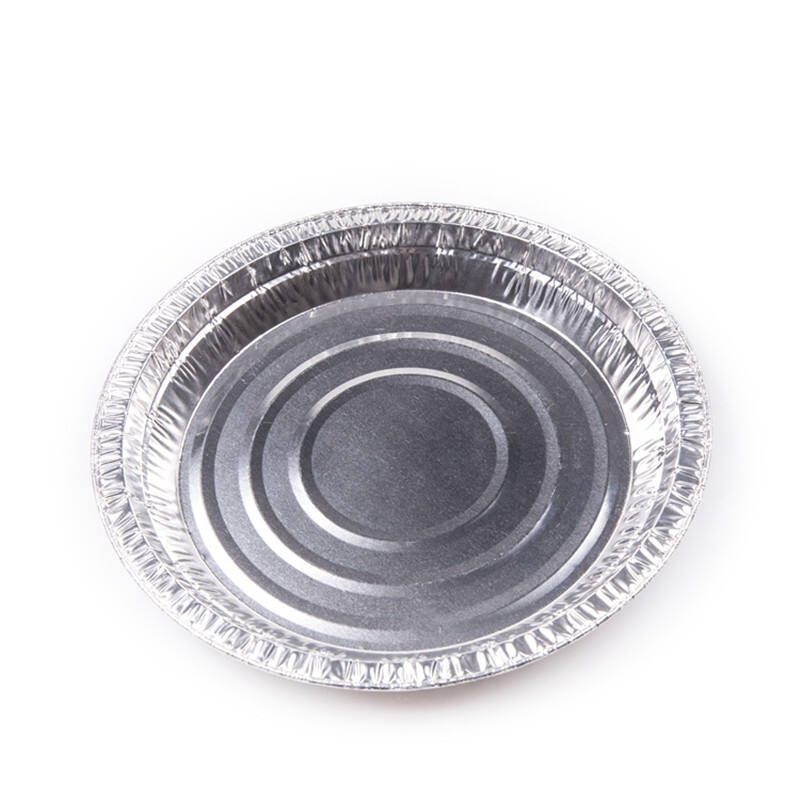
When it comes to reliable baking solutions, aluminum foil baking pans have become increasingly popular among both home cooks and professional chefs. These versatile containers offer exceptional heat distribution and convenience for various culinary applications. However, ensuring that your aluminum foil baking pans can withstand high oven temperatures requires understanding their construction, limitations, and proper usage techniques. Many bakers wonder about the temperature thresholds these pans can handle and how to maximize their performance during intense cooking processes.
The durability of aluminum foil baking pans under extreme temperatures depends on several critical factors including material thickness, manufacturing quality, and intended usage parameters. Professional-grade aluminum foil baking pans typically feature reinforced construction that enables them to maintain structural integrity at temperatures reaching 450°F to 500°F. Understanding these specifications helps bakers make informed decisions about their cookware selection and prevents potential kitchen mishaps during high-temperature cooking sessions.
Understanding Temperature Limits for Aluminum Foil Cookware
Maximum Safe Operating Temperatures
Standard aluminum foil baking pans are designed to handle temperatures up to 450°F safely, though premium variants can withstand slightly higher heat levels. The aluminum material itself has a melting point of approximately 1220°F, providing substantial safety margins for typical home cooking applications. However, the practical temperature limits are determined by the pan's structural design rather than the raw material properties.
Most manufacturers specify temperature ranges between 350°F to 450°F for optimal performance of their aluminum foil baking pans. Exceeding these recommended limits may cause the pans to warp, buckle, or lose their shape permanently. This deformation can affect heat distribution patterns and compromise food safety during cooking processes.
Professional kitchens often utilize heavy-duty aluminum foil baking pans that feature thicker gauge construction, enabling them to withstand temperatures approaching 500°F. These commercial-grade options provide enhanced durability for demanding cooking environments where consistent performance is essential.
Factors Affecting Heat Resistance
The gauge thickness of aluminum foil significantly impacts the pan's ability to maintain structural integrity under high temperatures. Heavier gauge materials distribute thermal stress more effectively, reducing the likelihood of warping or cracking during intense heating cycles. Standard household aluminum foil baking pans typically use lighter gauge materials that may struggle with prolonged exposure to extreme temperatures.
Manufacturing quality plays a crucial role in determining temperature tolerance for aluminum foil baking pans. Pans produced using precision forming techniques and quality control standards demonstrate superior heat resistance compared to mass-produced alternatives. The crimping and seaming processes used to create the pan walls directly influence their ability to withstand thermal expansion and contraction.
Food content and cooking duration also affect how well aluminum foil baking pans perform under high temperatures. Dense, moisture-rich foods help protect the pan from direct heat exposure, while dry baking applications may subject the material to more intense thermal stress.
Proper Preparation Techniques for High-Temperature Cooking
Pre-Heating Considerations
Gradual temperature increases help aluminum foil baking pans adjust to thermal conditions without experiencing sudden stress that could cause structural failure. Placing cold pans directly into preheated ovens above 400°F increases the risk of warping or cracking due to rapid thermal expansion. Instead, allowing pans to warm gradually with the oven provides better results and extends their usable lifespan.
Professional bakers recommend starting with lower temperatures and gradually increasing heat settings when using aluminum foil baking pans for high-temperature applications. This approach allows the material to acclimate to changing thermal conditions while maintaining its structural integrity throughout the cooking process.
Proper oven rack positioning becomes critical when working with aluminum foil baking pans at elevated temperatures. Placing pans too close to heating elements can create localized hot spots that exceed safe operating parameters, potentially damaging the cookware and affecting food quality.
Support Systems and Reinforcement Methods
Using cookie sheets or baking trays beneath aluminum foil baking pans provides additional structural support during high-temperature cooking. This reinforcement technique helps distribute weight evenly and prevents sagging or collapse when handling heavy food loads. The secondary support system also facilitates easier removal from ovens without risking burns or spills.
Double-panning techniques involve nesting one aluminum foil baking pan inside another to create enhanced durability for demanding cooking applications. This method effectively doubles the material thickness while providing improved heat distribution characteristics. Many professional kitchens employ this strategy when preparing large quantities of food requiring extended cooking times.
Strategic placement of oven-safe trivets or cooling racks can help elevate aluminum foil baking pans above direct heat sources while maintaining proper air circulation. This approach minimizes thermal stress while ensuring adequate heat transfer for thorough cooking results.
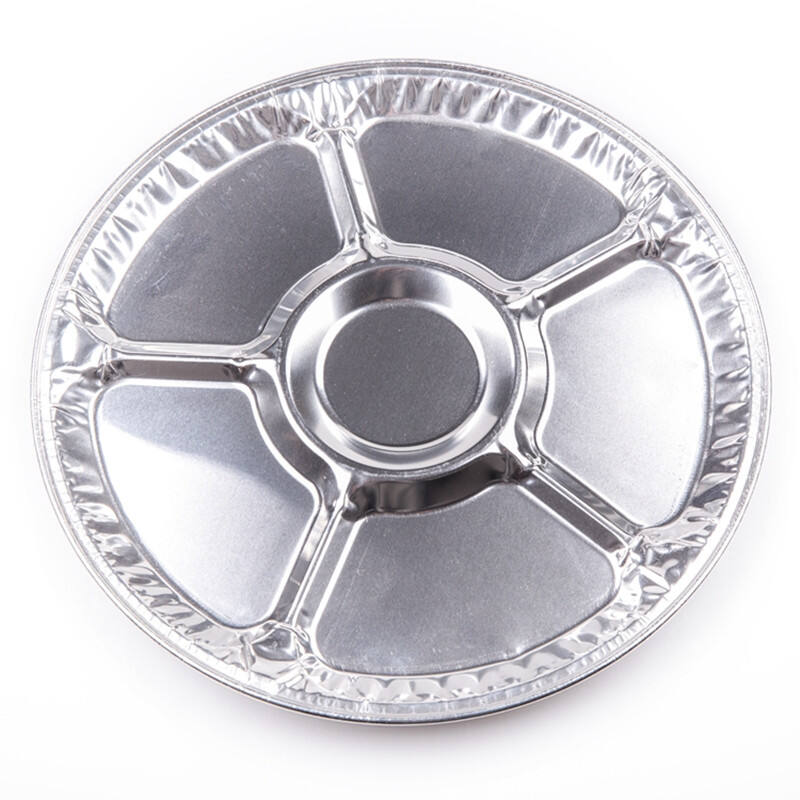
Quality Indicators for High-Temperature Performance
Material Specifications and Standards
Heavy-duty aluminum foil baking pans typically feature gauge measurements between 40 to 60, with lower numbers indicating thicker, more durable materials. These specifications directly correlate with temperature resistance capabilities and overall structural integrity during demanding cooking applications. Professional-grade options often exceed standard thickness requirements to ensure reliable performance in commercial environments.
Food-grade aluminum certifications ensure that aluminum foil baking pans meet safety standards for direct food contact applications. These certifications indicate that the materials have undergone rigorous testing for chemical stability and safety at various temperature ranges. Consumers should verify certification markings when selecting pans for high-temperature cooking purposes.
Reinforced rim construction provides additional structural support for aluminum foil baking pans subjected to thermal stress. This design feature helps maintain pan shape and prevents edge failure during heating cycles. Quality manufacturers incorporate these reinforcement elements as standard features in their premium product lines.
Visual and Physical Assessment Criteria
Uniform wall thickness throughout aluminum foil baking pans indicates consistent manufacturing quality and reliable heat resistance properties. Pans with visible thin spots or irregularities may fail prematurely when exposed to high temperatures. Careful inspection before purchase helps identify potentially problematic products.
Smooth, wrinkle-free surfaces suggest proper forming techniques during manufacturing of aluminum foil baking pans. Creases, folds, or imperfections can create stress concentration points that may lead to failure under thermal loading. These visual indicators help consumers evaluate product quality before making purchasing decisions.
Secure seaming at corners and edges demonstrates attention to detail in aluminum foil baking pan construction. Well-executed joints resist separation under thermal stress while maintaining structural integrity throughout the cooking process. Poor seaming quality often indicates substandard manufacturing practices that may compromise performance.
Safe Handling Practices During High-Temperature Operations
Loading and Positioning Techniques
Proper food distribution within aluminum foil baking pans helps maintain thermal balance and prevents localized overheating that could damage the cookware. Uneven loading creates stress concentrations that may cause warping or structural failure during high-temperature cooking. Strategic food placement optimizes both cooking results and pan longevity.
Avoiding direct contact between aluminum foil baking pans and oven heating elements prevents excessive temperature exposure that could exceed safe operating limits. Maintaining adequate clearance ensures proper air circulation while protecting the cookware from damage. This practice is particularly important when using convection ovens with multiple heating sources.
Center positioning on oven racks promotes uniform heat distribution around aluminum foil baking pans during cooking processes. Off-center placement can create temperature gradients that stress the material unevenly, potentially leading to warping or failure. Proper positioning contributes to both food quality and cookware preservation.
Monitoring and Adjustment Protocols
Regular visual inspection during cooking helps identify early signs of stress or deformation in aluminum foil baking pans. Prompt recognition of issues allows for corrective action before complete failure occurs. Experienced bakers develop the ability to assess pan condition quickly without disrupting the cooking process.
Temperature adjustment protocols help maintain safe operating conditions when aluminum foil baking pans show signs of thermal stress. Reducing heat settings or modifying cooking times can prevent further damage while ensuring food safety requirements are met. These adaptive strategies maximize pan usability while maintaining cooking quality.
Cooling procedures after high-temperature cooking protect aluminum foil baking pans from thermal shock that could cause cracking or permanent deformation. Gradual temperature reduction allows materials to contract slowly and maintain structural integrity for future use. Proper cooling extends the operational lifespan of these versatile cooking tools.
Maintenance and Storage for Extended Durability
Post-Cooking Care Procedures
Gentle cleaning methods preserve the integrity of aluminum foil baking pans after high-temperature cooking sessions. Harsh scrubbing or abrasive cleaners can create microscopic damage that weakens the material over time. Warm water and mild detergents effectively remove food residues without compromising structural integrity.
Complete drying before storage prevents corrosion and oxidation that could weaken aluminum foil baking pans over extended periods. Moisture retention creates conditions for material degradation that reduces temperature resistance capabilities. Thorough drying practices contribute significantly to long-term durability and performance consistency.
Inspection for stress cracks or deformation after each use helps identify aluminum foil baking pans that may no longer be suitable for high-temperature applications. Early detection of structural issues prevents potential failures that could compromise food safety or cooking results. Regular assessment maintains quality standards in kitchen operations.
Storage Optimization Strategies
Flat storage configurations prevent warping and maintain the original shape of aluminum foil baking pans between uses. Stacking heavy items on top of stored pans can create permanent deformation that affects their performance during subsequent cooking applications. Dedicated storage space protects these valuable cooking tools from unnecessary damage.
Climate-controlled storage environments help preserve the material properties of aluminum foil baking pans over extended periods. Extreme temperature fluctuations or high humidity levels can accelerate degradation processes that reduce temperature resistance capabilities. Consistent storage conditions maintain product quality and extend usable lifespan.
Protective wrapping or containment systems shield aluminum foil baking pans from environmental contaminants that could affect their performance characteristics. Dust, grease, or chemical exposure may compromise material integrity and reduce temperature tolerance capabilities. Clean storage practices ensure optimal performance when pans are needed for high-temperature cooking applications.
FAQ
What is the maximum safe temperature for aluminum foil baking pans
Most aluminum foil baking pans can safely handle temperatures up to 450°F, though heavy-duty commercial versions may withstand up to 500°F. The actual temperature limit depends on the pan's gauge thickness, construction quality, and intended application. Always check manufacturer specifications for exact temperature ratings, as exceeding recommended limits can cause warping, buckling, or structural failure that compromises both food safety and cooking results.
How can I tell if my aluminum foil baking pan is suitable for high-temperature cooking
Look for heavy-duty construction with uniform wall thickness, reinforced rims, and secure corner seaming. Quality aluminum foil baking pans will have smooth surfaces without wrinkles or thin spots that could fail under thermal stress. Check for food-grade certifications and gauge specifications, with lower gauge numbers indicating thicker, more durable materials better suited for high-temperature applications.
Can aluminum foil baking pans be reused after high-temperature cooking
Yes, aluminum foil baking pans can typically be reused multiple times if they maintain their structural integrity after high-temperature cooking. Inspect pans carefully after each use for signs of warping, cracking, or deformation. If the pan retains its original shape and shows no stress damage, it can continue to be used safely. However, severely warped or damaged pans should be discarded to prevent potential cooking problems or safety issues.
What support methods work best for aluminum foil baking pans at high temperatures
Using cookie sheets or baking trays underneath provides excellent structural support for aluminum foil baking pans during high-temperature cooking. Double-panning techniques, where one pan is nested inside another, effectively doubles the material thickness and heat resistance. Some bakers also use oven-safe cooling racks or trivets to elevate pans above direct heat sources while maintaining proper air circulation for even cooking results.
Table of Contents
- Understanding Temperature Limits for Aluminum Foil Cookware
- Proper Preparation Techniques for High-Temperature Cooking
- Quality Indicators for High-Temperature Performance
- Safe Handling Practices During High-Temperature Operations
- Maintenance and Storage for Extended Durability
-
FAQ
- What is the maximum safe temperature for aluminum foil baking pans
- How can I tell if my aluminum foil baking pan is suitable for high-temperature cooking
- Can aluminum foil baking pans be reused after high-temperature cooking
- What support methods work best for aluminum foil baking pans at high temperatures