 EN
EN


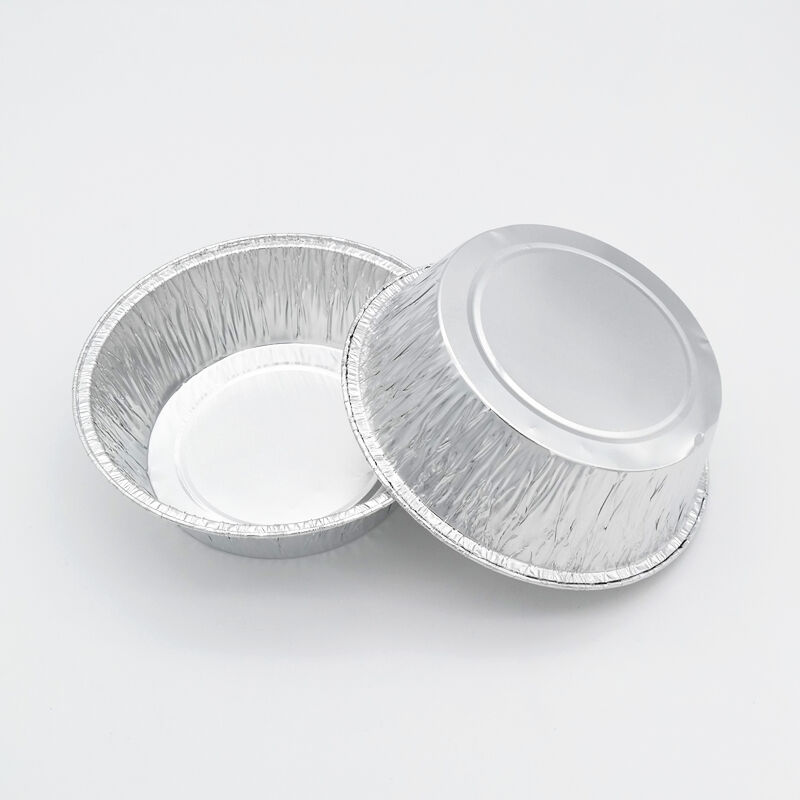
The choice of baking containers significantly impacts both the quality of your baked goods and your overall cooking experience. When evaluating different options for home and commercial baking, aluminum foil baking pans have emerged as a versatile solution that bridges the gap between convenience and performance. Understanding how these metallic containers compare to their plastic and paper counterparts requires examining factors such as heat conductivity, durability, environmental impact, and cost-effectiveness. Professional bakers and home cooking enthusiasts alike face this decision regularly, making it essential to understand the fundamental differences between these materials and their specific applications in various baking scenarios.
Heat Transfer and Cooking Performance
Thermal Conductivity Advantages
The superior thermal conductivity of aluminum foil baking pans creates a significant advantage in achieving consistent baking results. Unlike plastic alternatives that act as insulators, aluminum efficiently transfers heat from the oven to your food, ensuring even cooking throughout. This characteristic becomes particularly important when baking items that require precise temperature control, such as delicate pastries or layered cakes. The metal's ability to quickly respond to temperature changes means your baked goods will brown more uniformly and develop better texture profiles compared to slower-heating materials.
Paper baking containers, while convenient for certain applications, cannot match the heat distribution capabilities of aluminum foil baking pans. The organic nature of paper creates uneven heating patterns and can lead to soggy bottoms or undercooked centers in many recipes. Professional bakeries often choose aluminum over paper specifically because of this thermal performance difference, which translates directly into product quality and customer satisfaction.
Temperature Tolerance Comparison
Temperature resistance represents another crucial factor where aluminum foil baking pans excel over plastic and paper alternatives. Standard plastic containers typically fail at temperatures above 300°F, making them unsuitable for most baking applications that require higher heat levels. Even heat-resistant plastics designed for cooking applications often develop warping or chemical degradation when exposed to the sustained high temperatures common in baking processes.
Paper containers face similar limitations, with most varieties becoming compromised at temperatures exceeding 400°F. The cellulose fibers in paper can char or release unwanted flavors into food when exposed to excessive heat. Aluminum foil baking pans maintain their structural integrity and performance characteristics at temperatures well above 500°F, providing versatility for high-heat applications including broiling and commercial oven use.
Durability and Structural Integrity
Mechanical Strength Properties
The mechanical properties of aluminum foil baking pans provide superior structural support compared to both plastic and paper alternatives. While thin aluminum might appear fragile, properly manufactured foil containers offer excellent resistance to tearing, puncturing, and deformation under normal use conditions. This durability becomes particularly valuable when handling heavy batters or dense ingredients that might compromise weaker container materials.
Plastic containers often suffer from flexibility issues that can lead to spillage or difficulty in handling filled containers. The tendency of plastic to bend or flex under weight creates challenges when transferring items to and from ovens. Paper alternatives face even greater structural challenges, with moisture absorption weakening the container walls and potentially causing catastrophic failure during critical moments in the baking process.
Reusability and Longevity
Although aluminum foil baking pans are often marketed as disposable items, their durability allows for multiple uses in many applications. Careful handling and proper cleaning can extend the life of these containers significantly, making them more economical than initially apparent. The ability to reshape minor dents or dings also contributes to their extended usability compared to plastic containers that crack or paper containers that deteriorate after single use.
The longevity advantage becomes more pronounced when considering storage and stacking capabilities. Aluminum foil baking pans maintain their shape during storage and resist the crushing or deformation common with paper alternatives. This characteristic proves valuable for commercial operations or home bakers who purchase containers in bulk quantities.
Environmental Impact and Sustainability
Recyclability and Waste Management
Environmental considerations play an increasingly important role in material selection decisions, and aluminum foil baking pans offer distinct advantages in sustainability metrics. Aluminum ranks among the most recyclable materials available, with the ability to be recycled indefinitely without losing its essential properties. This contrasts sharply with many plastic alternatives that can only undergo limited recycling cycles before degrading to unusable quality levels.
The recycling infrastructure for aluminum is well-established globally, making proper disposal and reprocessing more accessible than specialized plastic recycling programs. Paper containers, while biodegradable, often require specific composting conditions and may contain coatings or treatments that complicate their environmental processing. The energy required to produce new aluminum from recycled material is also significantly lower than creating new aluminum from raw materials.
Manufacturing Environmental Impact
The production process for aluminum foil baking pans has evolved to incorporate more sustainable practices, including increased use of recycled content and improved energy efficiency in manufacturing. While the initial environmental cost of aluminum production is higher than paper or plastic, the longevity and recyclability of aluminum containers often result in lower lifetime environmental impact when considering multiple use cycles.
Paper alternatives require significant water usage and chemical processing during manufacturing, along with potential deforestation impacts depending on sourcing practices. Plastic production relies heavily on petroleum-based resources and generates various chemical byproducts that require careful environmental management. The comparative analysis often favors aluminum when considering the complete lifecycle environmental impact.
Cost Analysis and Economic Considerations
Initial Purchase Price Comparison
The upfront cost structure of aluminum foil baking pans typically falls between plastic and paper alternatives, though specific pricing varies based on quality, size, and purchase volume. Paper containers generally offer the lowest initial cost but provide limited functionality and single-use applications. Plastic containers may present lower entry costs but often require replacement more frequently due to degradation from heat exposure and repeated use.
Bulk purchasing options for aluminum foil baking pans often provide significant cost savings, particularly for commercial applications or frequent home bakers. The ability to purchase larger quantities without concern for degradation during storage adds economic value that may not be immediately apparent when comparing individual unit prices across materials.
Total Cost of Ownership
When evaluating the complete cost picture, aluminum foil baking pans often demonstrate superior value proposition through their reusability and performance characteristics. The elimination of baking failures due to container inadequacy represents a hidden cost saving that becomes significant over time. Professional bakers particularly appreciate this reliability factor, as product consistency directly impacts business profitability.
The time savings associated with easier cleanup and food release from aluminum foil baking pans also contributes to overall economic value. Paper containers often require additional preparation steps or release agents, while plastic alternatives may need special handling procedures to prevent damage. These operational efficiencies accumulate into meaningful cost advantages for high-volume applications.
Food Safety and Health Considerations
Chemical Migration and Food Contact Safety
Food safety considerations represent a critical factor when comparing container materials, and aluminum foil baking pans generally present fewer concerns regarding chemical migration compared to plastic alternatives. Plastic containers can potentially leach various compounds into food, particularly when exposed to heat or acidic ingredients. The risk increases with repeated use and exposure to cleaning chemicals, making plastic less desirable for applications involving sensitive populations or strict food safety requirements.
Paper containers often include coatings or treatments designed to improve moisture resistance or structural integrity, and these additives may pose their own food contact concerns. The natural porosity of paper also creates potential for bacterial growth if containers become contaminated or improperly stored. Aluminum foil baking pans provide an inert barrier that resists contamination and maintains food quality without introducing unwanted chemical compounds.
Allergen and Cross-Contamination Control
The smooth, non-porous surface of aluminum foil baking pans facilitates thorough cleaning and allergen control measures that prove challenging with other materials. Paper containers cannot be effectively cleaned for reuse, making cross-contamination prevention dependent on proper disposal and replacement. Plastic surfaces may retain residues from previous uses, particularly oils and strong flavors that can transfer to subsequent batches.
Commercial food service operations particularly value the ability to verify cleanliness visually and ensure complete removal of potential allergens from aluminum surfaces. This capability supports compliance with food safety regulations and helps maintain the integrity of allergen-free preparation areas.
Specific Application Advantages
Baking Performance Optimization
Different baking applications highlight the specific advantages of aluminum foil baking pans over plastic and paper alternatives. Bread baking benefits significantly from aluminum's heat conductivity, which promotes proper crust development and internal cooking. The ability to achieve golden-brown surfaces consistently makes aluminum containers preferred for applications where appearance matters as much as taste.
Cupcake and muffin preparation showcases another area where aluminum foil baking pans excel. The even heat distribution prevents the uneven rising common with paper liners in plastic muffin tins, while the structural integrity prevents the collapse issues that sometimes occur with unsupported paper cups. The result is more professional-looking baked goods with better texture and appearance characteristics.
Storage and Transport Benefits
The storage and transportation advantages of aluminum foil baking pans extend beyond their baking performance. The ability to stack containers efficiently without crushing makes them ideal for commercial operations or large-scale home preparation. The moisture barrier properties help maintain food quality during storage periods, unlike paper alternatives that may absorb moisture and compromise food integrity.
Transport applications particularly benefit from aluminum's durability and temperature tolerance. Hot foods can remain in aluminum containers longer without degradation, and the containers can transition from oven to refrigerator to reheating without material failure. This versatility reduces the need for multiple container types and simplifies food service operations.
FAQ
Can aluminum foil baking pans be used in microwave ovens safely
Aluminum foil baking pans should not be used in microwave ovens due to the risk of arcing and potential damage to the microwave unit. The metal material reflects microwave energy rather than allowing it to pass through to heat food, which can create electrical arcing and sparks. For microwave applications, use microwave-safe glass, ceramic, or approved plastic containers instead of aluminum options.
How do aluminum foil baking pans affect the taste of baked goods compared to other materials
Aluminum foil baking pans typically do not impart any metallic taste to baked goods when used properly, unlike some concerns with other metal cookware. The food-grade aluminum used in these containers is designed to be flavorally neutral. Paper containers may sometimes contribute subtle papery notes, while certain plastics can introduce chemical tastes, particularly when heated. Aluminum provides the cleanest flavor profile among disposable baking container options.
What is the maximum number of times aluminum foil baking pans can be reused
The reuse potential of aluminum foil baking pans depends on the thickness of the material and the care taken during use and cleaning. Heavy-duty aluminum containers can often be reused 5-10 times or more with gentle handling, while thinner disposable versions may only withstand 2-3 uses before showing wear. Signs that indicate replacement time include visible holes, significant denting, or difficulty in maintaining structural integrity during filling and handling.
Are there any foods that should not be baked in aluminum foil containers
Highly acidic foods such as tomato-based sauces, citrus-heavy batters, or vinegar-containing marinades can react with aluminum and potentially create off-flavors or slight discoloration. For these applications, consider using parchment paper lining inside aluminum foil baking pans or choosing alternative container materials. Most standard baking applications including breads, cakes, cookies, and casseroles work excellently with aluminum containers without any compatibility concerns.
Table of Contents
- Heat Transfer and Cooking Performance
- Durability and Structural Integrity
- Environmental Impact and Sustainability
- Cost Analysis and Economic Considerations
- Food Safety and Health Considerations
- Specific Application Advantages
-
FAQ
- Can aluminum foil baking pans be used in microwave ovens safely
- How do aluminum foil baking pans affect the taste of baked goods compared to other materials
- What is the maximum number of times aluminum foil baking pans can be reused
- Are there any foods that should not be baked in aluminum foil containers