 EN
EN


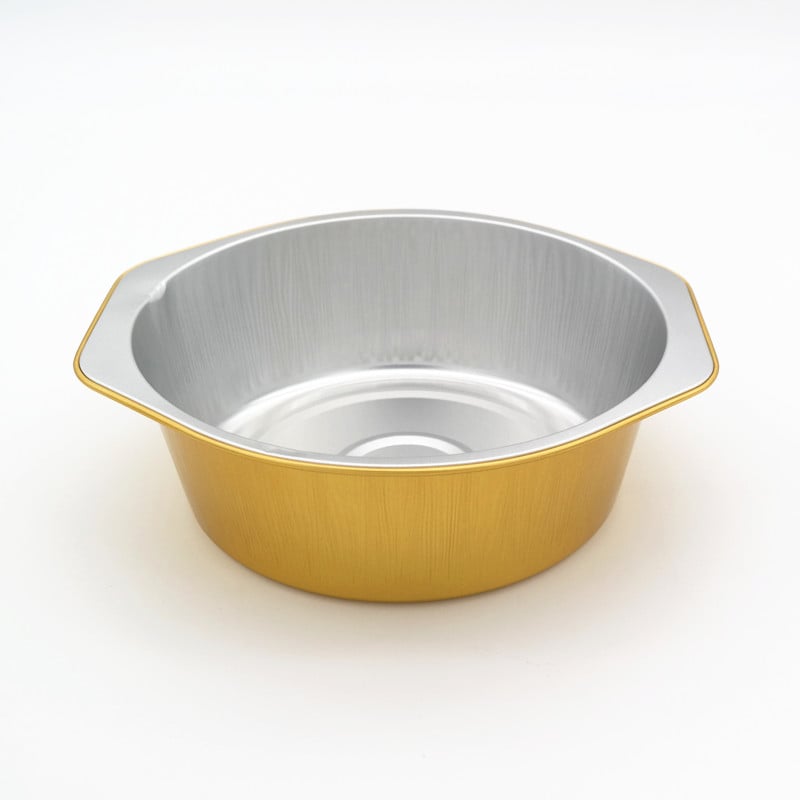
Commercial food service operations depend heavily on reliable, efficient containment and delivery systems for prepared meals. The aluminum tray has emerged as one of the most indispensable tools across restaurants, catering companies, and institutional food services worldwide. An aluminum tray serves multiple critical functions, from initial food preparation and plating to hot and cold storage, transport, and final presentation to customers. Understanding how aluminum tray products are actually used in these demanding environments reveals why they have become the industry standard for food professionals who prioritize both functionality and cost-effectiveness.
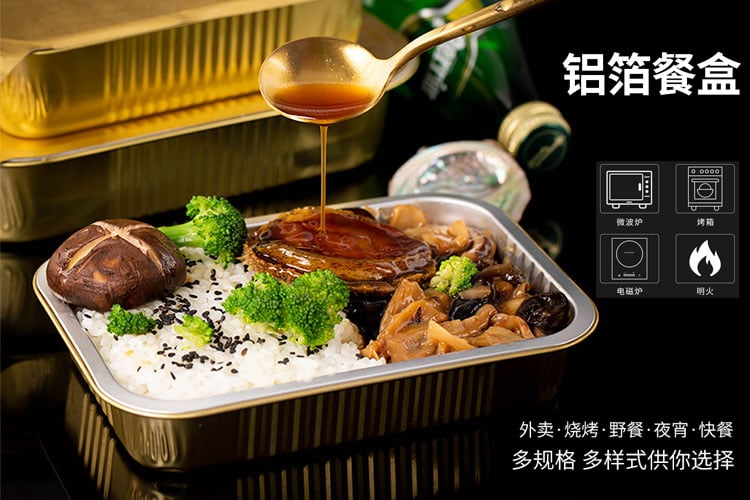
The versatility of an aluminum tray extends far beyond simple food storage. In high-volume food service settings, an aluminum tray handles everything from prep work and portioning to plating and customer delivery. Whether a kitchen team is managing a busy lunch rush, preparing large catering orders, or storing finished products in walk-in coolers, an aluminum tray product provides the thermal properties, durability, and hygiene standards that commercial operations demand. This comprehensive guide explores the practical, operational, and financial reasons why aluminum tray products have become essential across the food service industry.
Core Applications of Aluminum Tray Products in Food Service
Preparation, Portioning, and Plating with Aluminum Tray
In commercial kitchens, an aluminum tray serves as the primary workstation for preparing and organizing food components before final plating. Chefs and kitchen staff use aluminum tray products to portion proteins, vegetables, and starches efficiently during high-volume service periods. The flat, durable surface of an aluminum tray allows cooks to arrange multiple portions simultaneously without mixing flavors or compromising food safety. When a kitchen team operates at full capacity, an aluminum tray becomes indispensable for managing workflow and meeting customer orders within critical time windows.
The thermal conductivity of aluminum tray products also matters significantly during preparation phases. Hot foods placed on an aluminum tray retain their temperature longer than they would on other materials, reducing the need for frequent reheating and preserving food quality. Cold foods benefit similarly; an aluminum tray keeps chilled items at safe temperatures when stored in coolers or during transport. This dual thermal advantage means that an aluminum tray product functions as both a preparation vessel and a temperature-management tool, creating operational efficiencies that directly impact both food safety compliance and customer satisfaction.
Storage, Transportation, and Delivery with Aluminum Tray
Once food is prepared, an aluminum tray becomes the primary containment system for storage and transport in most commercial food service operations. Catering companies rely on aluminum tray products to stack finished dishes, maintain portion integrity during vehicle transport, and arrive at event locations with food appearing fresh and professionally presented. An aluminum tray's lightweight construction makes it practical for large-scale catering, where staff move hundreds of trays daily without causing fatigue or workplace injury. The stackability of aluminum tray products also maximizes refrigerator and freezer space, allowing kitchens to store more food in the same physical footprint.
In institutional settings like hospitals, schools, and corporate cafeterias, an aluminum tray product moves from preparation through hot-holding stations directly to customer service lines. The design of most aluminum tray models allows them to integrate seamlessly with industrial warming equipment and cart systems. Staff can load aluminum tray products into thermal delivery carts, maintain food at safe serving temperatures, and transport meals across large facilities or between locations without transferring food to different containers. This unified approach to aluminum tray usage simplifies operations, reduces cross-contamination risk, and accelerates meal service cycles.
Thermal Performance and Food Safety Advantages
Heat Retention and Oven Compatibility
The exceptional thermal conductivity of an aluminum tray makes it uniquely suited for both direct oven use and specialized cooking applications in commercial environments. Many restaurant kitchens use aluminum tray products to roast proteins, bake prepared dishes, and finish meals directly under broilers without transferring food to alternate cookware. An aluminum tray heats evenly, reducing hot spots that can burn food or create uneven cooking results, which is especially important when preparing large quantities simultaneously. The ability to move an aluminum tray seamlessly from oven to holding warmer to service line eliminates unnecessary handling and keeps food at optimal serving temperature.
Food safety regulations require that prepared foods maintain specific temperature ranges during storage and transport. An aluminum tray product naturally supports these requirements because aluminum's thermal properties keep hot foods hot and cold foods cold more effectively than alternative materials. When an aluminum tray is paired with proper food service protocols, including monitoring times and temperatures, it significantly reduces the risk of temperature-related food safety violations. This built-in advantage means that kitchens using aluminum tray products for storage and service generally achieve higher food safety compliance scores than facilities relying on less thermally efficient containment options.
Moisture Control and Food Quality Preservation
Moisture management directly impacts both food quality and shelf life in commercial food service operations. An aluminum tray can be used with vented or solid lids depending on application requirements; vented designs allow steam to escape without causing condensation buildup that degrades texture and presentation, while solid lids seal moisture for items requiring hydration. This flexibility makes aluminum tray products valuable for diverse menu items, from crispy-textured fried foods to moist braised preparations. The ability to customize moisture control by selecting the appropriate aluminum tray cover design means that food quality remains consistent from preparation through customer delivery.
Professional food service operations recognize that presentation directly influences customer perception and satisfaction. An aluminum tray product preserves food appearance by protecting prepared dishes from environmental exposure, dust, and cross-contact that can compromise visual appeal. When plated meals spend significant time in holding areas or during transport, an aluminum tray with proper lid configuration maintains the professional appearance that customers expect and are paying premium prices to receive. This quality-preservation function makes an aluminum tray investment worthwhile from both operational efficiency and revenue protection perspectives.
Cost Efficiency and Operational Practicality
Durability, Reusability, and Cost-Per-Use Economics
While aluminum tray products represent an initial capital investment, their durability and reusability create compelling long-term cost advantages compared to single-use alternatives. A high-quality aluminum tray withstands hundreds of wash cycles, repeated oven use, and years of daily service in demanding commercial kitchens. Calculating the cost-per-use for an aluminum tray over its operational lifespan typically reveals that durable aluminum tray products cost significantly less than constantly replacing disposable options. For catering companies, restaurants, and food service contractors managing thousands of meals annually, investing in aluminum tray products represents a strategic financial decision that compounds savings across every operational period.
Beyond direct cost savings, aluminum tray products reduce waste generation and support environmental sustainability initiatives that increasingly matter to conscious consumers and regulatory agencies. Facilities using durable aluminum tray products instead of disposable alternatives report measurable reductions in landfill contributions and packaging expenses. The longevity of aluminum tray options also means that staff spend less time managing inventory, ordering replacements, and storing backup supplies, freeing operational resources for higher-value activities. When food service leaders evaluate total cost of ownership rather than simple unit price, aluminum tray products consistently emerge as the economically superior choice.
Workflow Efficiency and Labor Management
Standardization around aluminum tray products streamlines workflows and reduces training requirements for kitchen staff. When all food preparation, storage, and service processes center on aluminum tray systems, employees develop consistent habits and competencies that accelerate their productivity and reduce errors. An aluminum tray's familiar shape, weight, and handling characteristics mean that new team members quickly achieve proficiency without extensive mentoring. This workflow consistency also allows supervisors to better manage time allocations, predict service capacity, and optimize staffing schedules based on historical aluminum tray throughput data.
The lightweight nature of aluminum tray products significantly impacts labor efficiency and workplace safety. Staff members handle aluminum tray products throughout every shift without accumulating fatigue or suffering strain injuries that commonly result from heavier alternatives. Reduced physical strain translates directly into lower worker compensation claims, less absenteeism, and better employee retention. When leadership examines operational metrics comprehensively, the efficiency gains delivered by using aluminum tray products ripple through multiple cost categories, making these tools fundamental to sustainable food service operations.
Industry-Specific Applications and Best Practices
Restaurant and Catering-Specific Uses
Full-service restaurants and catering operations have standardized on aluminum tray products because these systems integrate perfectly with their operational environments. High-volume lunch service at busy restaurants depends on aluminum tray organization in prep areas where cooks can quickly assemble orders from pre-portioned components. An aluminum tray product speeds service by allowing kitchen staff to present multiple completed plates to expediting stations simultaneously, rather than delivering one plate at a time. Catering companies particularly value aluminum tray products because their clients expect professional presentation, and an aluminum tray reliably protects food appearance and temperature during transport to off-site events.
The rectangular footprint and stackable design of most aluminum tray products make them compatible with standard commercial equipment, from pass-through warmers to industrial dishwashers to hotel pans and speed racks used throughout foodservice. An aluminum tray fits into existing infrastructure without requiring specialized equipment investments or operational modifications. This compatibility means that restaurants expanding their menu or catering operations can scale aluminum tray usage immediately without facility renovations or system redesigns. The practical reality that aluminum tray products work with existing infrastructure accelerates adoption and maximizes return on investment.
Institutional and Batch Food Service Operations
Hospitals, universities, and corporate dining facilities prepare hundreds or thousands of meals daily using batch cooking and assembly line service models where aluminum tray products excel. An aluminum tray product moves smoothly through assembly line stations, collecting components as each station adds their contribution to the finished meal. The standardization of aluminum tray dimensions across an aluminum tray product line ensures that all trays fit into the same heating carts, service lines, and delivery vehicles without accommodation or sorting. This standardization is essential for operations managing multiple menus, dietary restrictions, and simultaneous service to large populations where precision and consistency determine operational success.
Institutional food service frequently uses aluminum tray products with integrated compartments that allow portion control and menu customization within single dishes. An aluminum tray with dividers means that dietary guidelines, allergen restrictions, and individual preferences can be accommodated in meal preparation without preparing entirely separate dishes. The efficiency of serving complete meals on a single aluminum tray product reduces the risk of missing components, accelerates customer service cycles, and allows kitchen teams to manage complex nutrition requirements systematically. For institutions serving diverse populations with different dietary needs, aluminum tray products with specialized designs become essential operational infrastructure.
FAQ
What specific sizes and configurations of aluminum tray products are most common in commercial food service?
Commercial aluminum tray products come in standardized sizes that correspond to hotel pan dimensions, allowing integration with existing equipment. Full-size aluminum tray options measure approximately 20.75 by 12.75 inches and hold large volumes suitable for steam tables and bulk service. Half-size aluminum tray products are roughly half those dimensions and work well for plating stations and smaller batch preparation. Quarter-size aluminum tray options provide portion control for individual meals or specialty items. Most aluminum tray products are available with solid bottoms, compartmentalized designs, or vented options, allowing operators to select the configuration that best suits their specific preparation and service requirements.
How should food service operations handle cleaning and maintenance of aluminum tray products to maximize lifespan?
Proper aluminum tray maintenance begins immediately after use; soaking an aluminum tray in hot soapy water prevents food residue from drying and bonding to the surface. Most commercial operations run aluminum tray products through industrial dishwashers using standard food service wash cycles, which effectively sanitizes the trays while preserving their structural integrity. Avoiding abrasive scrubbing tools prevents surface damage that can compromise an aluminum tray's appearance and functionality. Storing an aluminum tray products in dry conditions prevents moisture accumulation and corrosion. When maintained using these standard practices, an aluminum tray product easily lasts five to ten years or longer, providing decades of cost-effective service to busy commercial kitchens.
Are there environmental or regulatory considerations when using aluminum tray products in food service operations?
Aluminum tray products are food-grade and comply with all FDA and international food safety regulations governing direct food contact materials. The inherent reusability of aluminum tray systems makes them environmentally superior to single-use disposable alternatives, supporting sustainability goals that increasingly influence customer preferences and regulatory requirements. Food service operations using durable aluminum tray products reduce their overall waste generation and carbon footprint associated with manufacturing and transporting disposable items. Many municipalities now encourage or mandate the use of reusable aluminum tray products in commercial food service as part of broader waste reduction initiatives, making the transition from disposables to durable aluminum tray solutions both operationally smart and increasingly necessary for regulatory compliance.
Table of Contents
- Core Applications of Aluminum Tray Products in Food Service
- Thermal Performance and Food Safety Advantages
- Cost Efficiency and Operational Practicality
- Industry-Specific Applications and Best Practices
-
FAQ
- What specific sizes and configurations of aluminum tray products are most common in commercial food service?
- How should food service operations handle cleaning and maintenance of aluminum tray products to maximize lifespan?
- Are there environmental or regulatory considerations when using aluminum tray products in food service operations?