 EN
EN


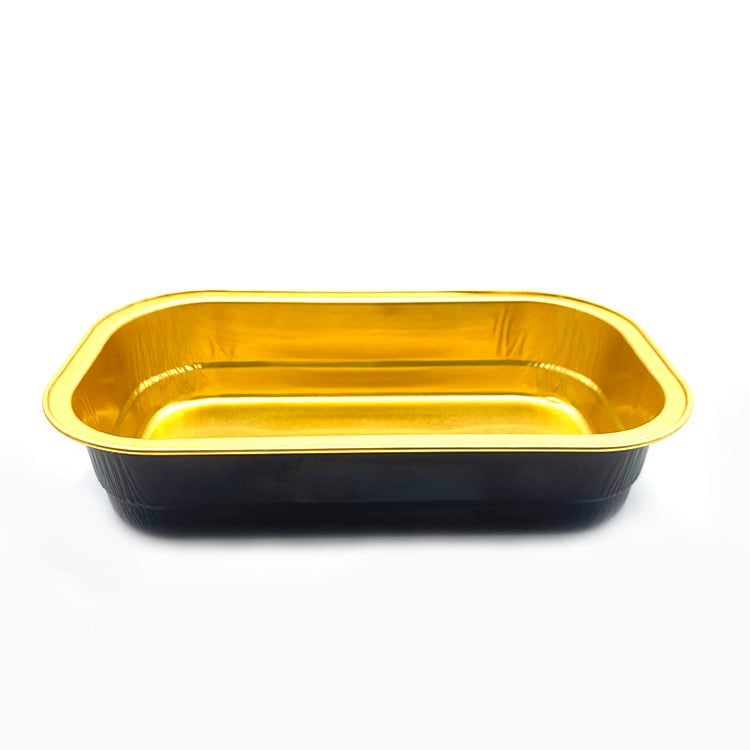
The decision to select the right takeaway packaging directly impacts a restaurant's bottom line, brand reputation, and customer satisfaction. Among the many packaging options available, the aluminum tray has emerged as the overwhelming choice for food service establishments worldwide. Restaurants of all sizes—from independent pizzerias to high-volume casual dining chains—consistently turn to aluminum tray solutions because they deliver measurable advantages that other materials simply cannot match.
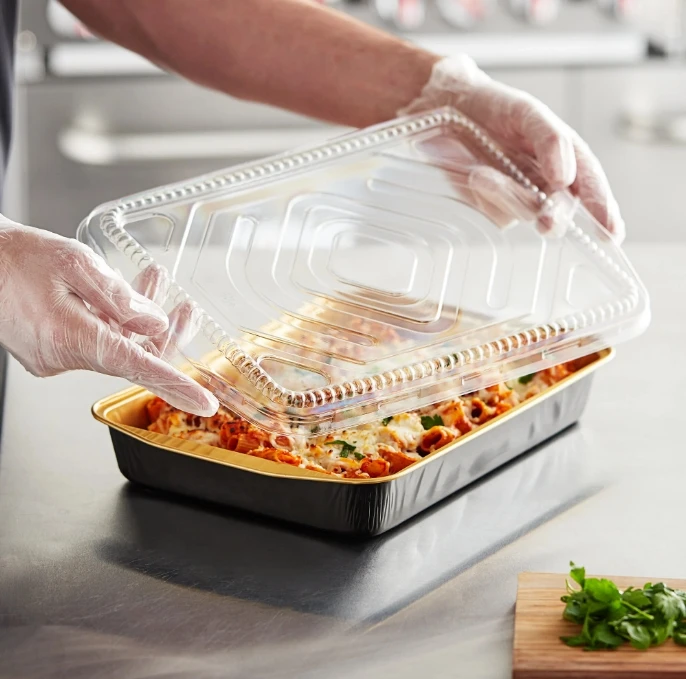
An aluminum tray represents far more than just a container. It serves as a critical link between the kitchen and the customer's table, protecting food quality while communicating your establishment's commitment to excellence. Understanding why restaurants prefer aluminum tray packaging requires examining the practical, economic, and operational factors that influence this choice every single day in thousands of food service locations.
Superior Food Protection and Thermal Performance
Heat Retention and Food Safety
The aluminum tray excels at maintaining optimal food temperatures during transport and storage. Aluminum conducts heat efficiently, which means food stays warm longer after leaving the kitchen. This thermal stability is critical for takeaway operations where meals must travel from the restaurant to customers' homes or offices while remaining at safe consumption temperatures. An aluminum tray naturally insulates hot foods, reducing the need for additional heating elements or wrapping materials that would increase costs.
Food safety regulations require that hot foods remain above 140°F until consumption. The aluminum tray makes compliance easier because its material properties work with your food holding practices rather than against them. Restaurants that switch to aluminum tray packaging consistently report fewer complaints about food arriving cold or unappetizing. This translates directly into repeat customers and positive online reviews, which drive revenue growth.
Barrier Protection Against Contamination
An aluminum tray provides an effective barrier against external contaminants, moisture, and oxidation. The aluminum material resists puncture and tearing during handling, stacking, and transport—challenges that plague paper or thin plastic alternatives. When you select aluminum tray options with secure lids, your takeaway items remain protected from the moment they leave your kitchen until customers open them at home. This reliability reduces food waste from damaged packaging and maintains consistent product presentation.
The aluminum tray also prevents cross-contamination between different food items within a single order. Partitioned designs allow restaurants to safely package proteins, grains, and vegetables without flavors or liquids mixing. This compartmentalization capability makes the aluminum tray particularly valuable for restaurants offering diverse menu items—everything from BBQ to Asian cuisine to fresh salads can coexist safely in a single delivery.
Economic Efficiency and Cost Advantages
Lower Unit Costs at Scale
Restaurants operating on thin profit margins cannot afford wasteful spending on packaging. The aluminum tray delivers exceptional value because manufacturing economies of scale have driven costs down significantly over decades. Bulk purchasing of aluminum tray products costs less per unit than specialty paper containers, compostable alternatives, or rigid plastic solutions. For restaurants processing hundreds of takeaway orders daily, this per-unit savings compounds into substantial monthly expense reductions.
Beyond the initial purchase cost, the aluminum tray reduces secondary expenses. Because the material is durable and reusable in many cases, or recyclable when disposed of, restaurants avoid the premium pricing associated with trendy but expensive eco-friendly options. Many restaurant owners find that switching to aluminum tray packaging cuts their total packaging spending by 15 to 25 percent without compromising food quality or presentation standards.
Reduced Food Waste and Spoilage
The aluminum tray's superior protection characteristics directly reduce food waste, a major cost driver in restaurant operations. When packaging fails during transport—containers breaking, lids popping off, food cooling too quickly—customers receive damaged orders and restaurants must prepare replacements. This waste hits the profit and loss statement twice: you've lost the food cost plus the labor to remake the order. An aluminum tray minimizes these failures because the material withstands typical handling stress and maintains its structural integrity throughout the customer journey.
Restaurants also benefit when aluminum tray packaging reduces customer complaints and returns. Fewer dissatisfied customers mean fewer refund requests and negative reviews. The operational savings from reduced complaint management, remakes, and refunds often exceed the packaging cost difference between aluminum tray solutions and cheaper alternatives. This reality makes aluminum tray packaging a financial no-brainer for data-driven restaurant managers.
Brand Perception and Customer Experience Enhancement
Professional Appearance and Quality Signaling
Takeaway packaging communicates your restaurant's quality standards to customers before they even taste the food. When a customer opens an aluminum tray, they immediately perceive professionalism and care. The weight, appearance, and solid feel of an aluminum tray signal that the restaurant takes pride in its presentation. This psychological impact influences customer satisfaction scores and willingness to order again, particularly among customers who associate aluminum tray packaging with premium or established establishments.
Restaurants recognize that brand perception begins with first impressions, and packaging is often the first physical touchpoint after the transaction. An aluminum tray elevates the entire takeaway experience compared to flimsy paper containers. Customers are more likely to recommend your restaurant and leave positive reviews when their food arrives in sturdy, professional-looking aluminum tray packaging. This word-of-mouth benefit and online reputation boost have measurable business impact.
Versatility Across Menu Items and Cuisines
The aluminum tray's universal applicability makes it ideal for restaurants with diverse menus. Whether you're packaging Chinese takeout, Italian pasta, Middle Eastern fare, American comfort food, or fresh sushi, the aluminum tray performs reliably. Different cuisines have different thermal and moisture requirements, and aluminum tray designs accommodate these variations through different sizes, depths, and lid options. This flexibility eliminates the need to maintain multiple packaging types, streamlining procurement and inventory management.
Restaurants expanding their menus can confidently add new dishes knowing the aluminum tray packaging will serve those items effectively. This operational flexibility supports business growth initiatives without packaging constraints. The aluminum tray essentially future-proofs your takeaway operation, allowing menu evolution without the need to source new containers or redesign packaging workflows.
Environmental and Regulatory Compliance Advantages
Recyclability and Sustainability Credentials
Modern consumers increasingly value environmental responsibility, and restaurants respond by highlighting sustainable practices. An aluminum tray delivers genuine sustainability credentials because aluminum ranks among the most recyclable materials available. Unlike some trendy 'eco-friendly' packaging that cannot actually be recycled, aluminum tray containers enter established recycling streams in most communities. Restaurants can confidently communicate that their aluminum tray packaging will be recycled, appealing to environmentally conscious customers without premium pricing or supply chain complications.
This recyclability advantage addresses regulatory pressures in many jurisdictions. Cities and regions increasingly restrict single-use plastics or mandate minimum recycling content in packaging. An aluminum tray naturally complies with these emerging regulations, protecting restaurants from future compliance costs or packaging transitions. By adopting aluminum tray packaging today, restaurants avoid expensive format changes when regulations inevitably tighten.
Food Safety Certifications and Standards Compliance
The aluminum tray meets stringent food contact surface standards established by regulatory bodies like the FDA and international food safety organizations. Restaurants can document that their aluminum tray packaging complies with all applicable regulations, addressing customer inquiries and health inspection requirements. This regulatory alignment provides peace of mind and reduces administrative burden compared to sourcing packaging from questionable suppliers or using uncertified materials.
Many aluminum tray manufacturers maintain strict quality controls and testing protocols to ensure their products meet food safety standards consistently. Restaurants benefit from this rigorous oversight, knowing that their packaging material has been thoroughly vetted and certified for food contact. This credibility supports customer confidence and protects the restaurant's liability exposure.
FAQ
What makes aluminum tray packaging better than plastic containers for takeaway?
Aluminum tray packaging outperforms plastic containers in several critical areas. The aluminum tray provides superior heat retention, keeping food warm longer during transport. Aluminum tray material is more durable and resists damage during handling, while many plastic containers crack or warp under stress or temperature changes. Additionally, an aluminum tray offers genuine recyclability without the environmental concerns associated with plastic accumulation. The aluminum tray also projects a more premium appearance, enhancing brand perception compared to disposable plastic alternatives.
Can restaurants reuse aluminum tray containers or must they be single-use?
Most aluminum tray packaging is designed as single-use disposable containers for food service operations, though the material itself is infinitely recyclable. Some restaurants do participate in container return programs where customers return clean aluminum tray containers for reuse, reducing environmental impact and waste stream burden. Whether an aluminum tray is single-use or part of a reuse program depends on the restaurant's operational model and local waste management infrastructure. Either approach preserves the cost and environmental benefits that make aluminum tray packaging attractive compared to other materials.
How does aluminum tray packaging affect food presentation and customer satisfaction?
Aluminum tray packaging significantly enhances food presentation because the material's neutral appearance doesn't compete with food colors or textures. The aluminum tray maintains its appearance during transport without staining or warping that degrades visual appeal. When customers open an aluminum tray, they see food presented professionally in clean, undamaged packaging, which positively influences their perception of quality. This presentation advantage translates directly into customer satisfaction, repeat orders, and positive reviews that drive business growth for restaurants prioritizing the takeaway experience.