 EN
EN


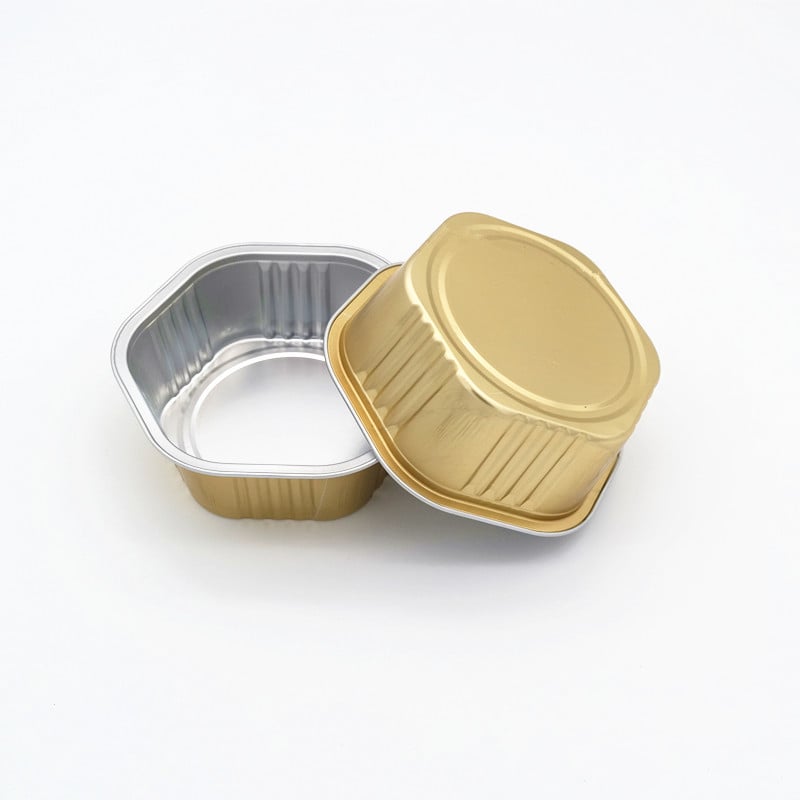
Food presentation and safety are two critical pillars in the food service and retail industry. An aluminum tray serves as a versatile solution that addresses both concerns simultaneously, offering businesses a reliable way to display, store, and transport food products while maintaining quality and hygiene standards. Whether you operate a bakery, catering company, restaurant, or food manufacturing facility, choosing the right aluminum tray can significantly impact how your products are perceived by customers and how well they are protected during handling and distribution.
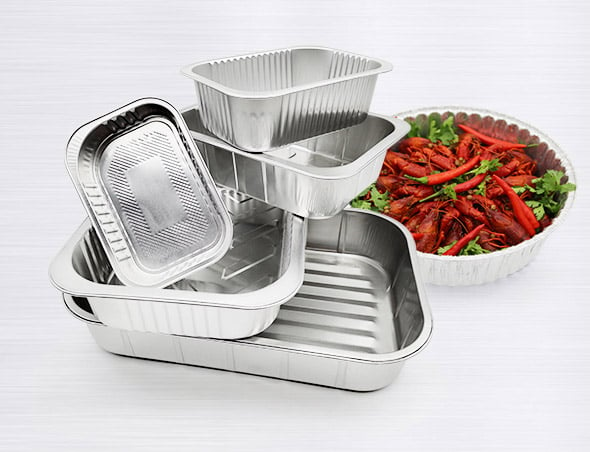
The role of an aluminum tray extends far beyond basic containment. Modern food businesses recognize that an aluminum tray is not merely a vessel but a strategic marketing tool that influences consumer perception, ensures regulatory compliance, and extends product shelf life. This comprehensive guide explores how an aluminum tray enhances both food presentation and safety, helping you make informed decisions about packaging solutions for your food operation.
How Aluminum Tray Packaging Enhances Visual Presentation
Creating Professional Brand Appearance
An aluminum tray provides an inherently professional and upscale appearance that elevates perceived product quality. The reflective surface of an aluminum tray catches light in ways that make food items appear fresher, more vibrant, and more appealing on retail shelves or in direct-to-consumer presentations. When customers see products displayed in an aluminum tray, they subconsciously associate the packaging with premium quality and careful handling, which justifies higher price points and builds brand credibility.
The versatility of an aluminum tray design allows food businesses to customize colors, finishes, and dimensions to match brand identity. Whether you need a classic silver finish, sophisticated black coating, or decorative patterns, an aluminum tray can be tailored to complement your brand aesthetic. This customization transforms an aluminum tray from a functional container into a branded marketing asset that communicates professionalism and attention to detail.
Optimizing Product Display and Accessibility
An aluminum tray's structural integrity allows for clear, organized product arrangement that makes items visible and accessible to customers. Unlike flimsy packaging alternatives, an aluminum tray maintains its shape under product weight, ensuring consistent presentation across retail displays. The rigid design of an aluminum tray prevents product shifting, crushing, or disarrangement, which preserves the visual appeal throughout the supply chain from production facility to consumer purchase.
The transparent view through many aluminum tray designs—particularly those with clear film windows—lets customers see exactly what they are purchasing. This transparency builds consumer confidence and reduces purchase hesitation. An aluminum tray's flat bottom and straight sides create organized, stackable displays that maximize shelf space while maintaining visual organization that encourages impulse purchases and improves the overall shopping experience.
Aluminum Tray Safety Features and Food Protection
Barrier Protection Against Contamination
An aluminum tray provides superior barrier properties that protect food from environmental contamination, light exposure, and oxygen infiltration. The aluminum material itself creates a complete light barrier that prevents photodegradation of sensitive food products, particularly important for items containing natural pigments, vitamins, or oils that degrade when exposed to UV radiation. When an aluminum tray is combined with a fitted lid, the seal creates a protective microenvironment that extends product shelf life significantly compared to plastic alternatives.
The non-permeable nature of an aluminum tray prevents moisture transfer that can cause product drying, mold growth, or texture degradation. Bakery items, prepared foods, and delicate products benefit substantially from the moisture-retention properties of an aluminum tray, which maintains product integrity longer than alternative packaging materials. This protection reduces waste, improves customer satisfaction, and provides businesses with better inventory management through extended product viability.
Thermal Stability and Temperature Control
An aluminum tray excels in thermal management applications, making it ideal for both hot and cold food storage. The thermal conductivity of an aluminum tray allows rapid temperature equalization, helping maintain consistent temperature throughout stored food products. This property is particularly valuable for catering operations and food service businesses that require reliable thermal performance without compromising food safety or quality.
When used in food service settings, an aluminum tray can transition directly from freezer to oven to table without requiring product transfers that introduce contamination risks. This versatility reduces food handling, minimizes cross-contamination exposure, and maintains the temperature integrity of prepared foods. The ability to use an aluminum tray across multiple temperature environments without degradation makes it an efficient choice for complex food distribution networks.
Regulatory Compliance and Food Safety Standards
An aluminum tray manufactured to food-grade standards meets strict regulatory requirements established by food safety authorities worldwide. The material composition and manufacturing processes for an aluminum tray ensure compliance with FDA regulations, European food contact standards, and other regional requirements that govern food packaging materials. Businesses using compliant aluminum tray products eliminate regulatory risk and provide customers with assurance that packaging meets stringent safety criteria.
The chemical inertness of properly manufactured aluminum means an aluminum tray does not leach harmful substances into food products under normal storage and use conditions. Unlike some plastic alternatives that can release compounds under heat or prolonged contact, an aluminum tray provides a stable, non-reactive barrier that protects food integrity. This safety profile, combined with the inherent cleanliness of aluminum surfaces, makes an aluminum tray the preferred choice for regulated food industries where product safety documentation and compliance verification are essential business requirements.
Practical Applications and Business Advantages
Versatility Across Food Categories and Industries
An aluminum tray serves diverse applications across the food industry, from bakery products and prepared meals to fresh produce and confectionery items. The adaptability of aluminum tray sizing, depth, and configuration options ensures that businesses in virtually any food segment can find solutions that match their specific requirements. Restaurants use aluminum trays for takeout service, hotels use them for banquet food transport, and manufacturers use them for product distribution, demonstrating the broad applicability of aluminum tray technology.
The durability and reusability potential of an aluminum tray make it environmentally conscious and economically efficient for businesses seeking sustainable packaging solutions. Unlike single-use plastic containers, an aluminum tray can be collected, recycled, or refurbished multiple times, reducing waste and supporting circular economy principles. This environmental advantage increasingly influences purchasing decisions by consumers and businesses alike, making aluminum tray selection a strategic positioning choice that appeals to sustainability-focused markets.
Cost-Effectiveness and Operational Efficiency
While aluminum tray initial investment may exceed that of some alternative materials, the total cost of ownership favors aluminum when considering extended shelf life, reduced waste, and operational efficiency gains. An aluminum tray's durability means fewer damaged shipments, lower replacement costs, and more predictable inventory management. Food businesses reduce operational losses through the extended preservation capabilities of aluminum tray packaging, which directly improves profit margins on products that previously experienced higher spoilage rates.
The standardization of aluminum tray dimensions across the industry simplifies supply chain management, reduces equipment customization costs, and enables businesses to work with multiple suppliers without format compatibility issues. This standardization creates economies of scale that help reduce unit costs for aluminum tray purchases at volume levels. Furthermore, the stackability and efficient logistics properties of aluminum tray packaging reduce transportation volume requirements, lowering shipping costs and carbon footprint associated with product distribution.
FAQ
What materials are aluminum trays made from?
An aluminum tray is typically manufactured from aluminum alloys that meet food-grade specifications, often including alloy series 1100 or 3003, which combine excellent formability with food-safety compliance. The aluminum tray may include a thin plastic or lacquer coating on interior surfaces to enhance barrier properties and prevent direct food contact with raw aluminum surfaces, though food-grade aluminum itself is safe for direct food contact when manufactured to appropriate standards.
How long can food stay fresh in an aluminum tray?
The shelf life of food stored in an aluminum tray depends on product type, storage temperature, and whether the aluminum tray includes a fitted lid seal. Generally, an aluminum tray can extend shelf life by 30–50% compared to alternative packaging, with frozen items maintaining quality for months, refrigerated prepared foods staying fresh for 7–10 days, and room-temperature items like baked goods remaining quality-preserved for several days to weeks depending on formulation.
Can an aluminum tray be used for oven cooking?
Yes, an aluminum tray designed for food service use can safely go into conventional ovens at standard cooking temperatures, typically up to 400–500°F depending on the specific aluminum tray construction and any coatings or liners. An aluminum tray's thermal conductivity actually provides even heat distribution that can improve cooking consistency, making it an excellent choice for prepared meal services and commercial food production operations that require direct-from-freezer-to-oven capability.