 EN
EN


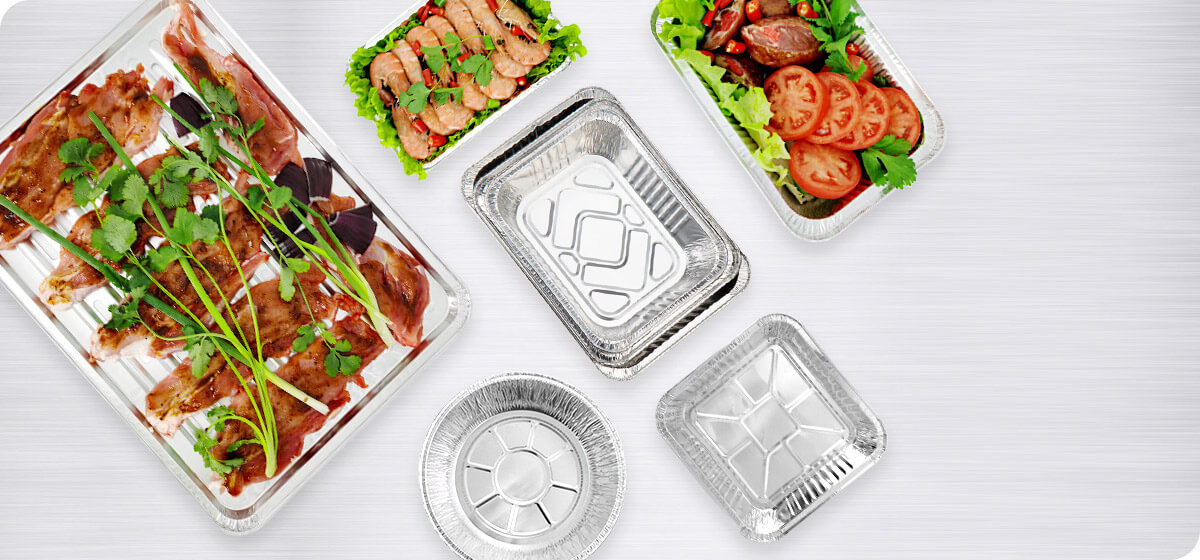
Aluminum trays for food have become an essential component in modern food service, catering, and home meal preparation. Whether you're running a restaurant, managing a catering business, or simply preparing meals at home, understanding which meals work best with aluminum trays for food can significantly improve your food handling efficiency and presentation. These versatile containers are designed to accommodate a wide variety of meal types, from hot entrees to cold desserts, making aluminum trays for food an ideal choice for diverse culinary applications.

The effectiveness of aluminum trays for food depends on understanding the specific characteristics of different meal types and how they interact with the container material. Aluminum trays for food excel at heat retention, temperature regulation, and protecting meals during transport or storage. By selecting the right meal types to pair with aluminum trays for food, businesses and home cooks can ensure optimal food quality, safety, and customer satisfaction. This comprehensive guide explores which meal categories perform best when using aluminum trays for food and why these containers remain the preferred choice across the food industry.
Hot Meals and Baked Dishes
Roasted Meats and Poultry
Roasted meats and poultry are among the most successful meal types for aluminum trays for food. The thermal conductivity of aluminum ensures even heat distribution during cooking, resulting in uniformly cooked dishes. Aluminum trays for food are particularly effective for roasting chicken, turkey, beef, and pork, as the material conducts heat efficiently while preventing excessive browning on the bottom. The sides of aluminum trays for food help contain cooking juices and prevent spillage, maintaining food presentation and reducing cleanup time. Many professional kitchens rely on aluminum trays for food specifically because they can withstand repeated use in commercial ovens without warping or degrading.
Baked Goods and Casseroles
Baked goods and casseroles represent another category where aluminum trays for food deliver exceptional results. From lasagna to shepherd's pie, aluminum trays for food provide the structural integrity needed to support heavy, layered dishes during baking and transport. The non-reactive nature of aluminum trays for food means they won't interact negatively with acidic ingredients commonly found in tomato-based sauces or vinegar dressings. Restaurants and catering services frequently choose aluminum trays for food for these applications because they're cost-effective, durable, and easily stackable for efficient storage. The consistent heat conductivity of aluminum trays for food ensures that baked casseroles cook evenly throughout, avoiding undercooked centers or overcooked edges.
Cold and Room-Temperature Meals
Prepared Salads and Vegetable Sides
Aluminum trays for food work exceptionally well for cold salads and vegetable side dishes, particularly in catering and meal prep environments. The rigid structure of aluminum trays for food keeps fresh ingredients organized and prevents crushing during transport, which is critical for maintaining visual appeal and nutritional integrity. Chilled aluminum trays for food can be stored directly in refrigerators or on display tables without requiring additional protective packaging. The smooth surface of aluminum trays for food makes cleaning straightforward, which is essential when handling delicate vegetables and dressings. Whether you're preparing a Greek salad, coleslaw, or mixed vegetable medley, aluminum trays for food provide a hygienic, reliable container that maintains food freshness and presentation standards.
Sandwich Platters and Appetizers
Sandwich platters and appetizer selections benefit significantly from being served in aluminum trays for food. The compartmentalized nature of many aluminum trays for food allows different sandwich types or appetizer varieties to be organized separately, enhancing visual presentation and guest satisfaction. Aluminum trays for food are ideal for displaying cold cuts, cheeses, and bread arrangements at parties, corporate events, and social gatherings. The lightweight design of aluminum trays for food makes it easy for servers to circulate during events, while the durability ensures they withstand repeated handling. Additionally, aluminum trays for food can transition directly from kitchen preparation to guest presentation without requiring dish transfers, saving time and reducing contamination risks.
Specialized Meals and Specific Applications
Seafood and Delicate Proteins
Seafood dishes represent a specialized application where aluminum trays for food excel due to their gentle handling characteristics and temperature control capabilities. Aluminum trays for food prevent delicate fish fillets from breaking apart during cooking and serving. The non-reactive aluminum material ensures that acidic marinades, lemon-based preparations, and vinegar dressings won't compromise the container's integrity or affect food flavor. Restaurants specializing in seafood frequently rely on aluminum trays for food because they maintain consistent temperature during the critical window between plating and service. The ability to reheat aluminum trays for food in commercial ovens without degradation makes them particularly valuable for seafood dishes that require precise temperature management.
Takeout and Delivery Meals
The takeout and delivery industry has made aluminum trays for food an indispensable standard for meal transport and storage. Aluminum trays for food maintain temperature stability better than many alternative materials, ensuring that hot meals arrive at customer locations still warm and cold meals remain properly chilled. The sealed nature of most aluminum trays for food prevents cross-contamination and protects meals from environmental contaminants during delivery. Both customers and food businesses appreciate aluminum trays for food because they're stackable, reducing vehicle space requirements and delivery time. The durability of aluminum trays for food allows repeat use when customers return containers, making them economically efficient for restaurants operating high-volume takeout services.
FAQ
What temperature ranges are safe for aluminum trays for food?
Aluminum trays for food are generally safe for temperatures ranging from approximately negative four degrees Fahrenheit to four hundred fifty degrees Fahrenheit. Most commercial-grade aluminum trays for food are designed for oven use, and many can be placed in freezers for extended storage without cracking or deforming. Always verify specific product specifications before using aluminum trays for food at temperature extremes, as some specialty aluminum trays for food may have different ratings.
Can aluminum trays for food be recycled after use?
Yes, aluminum trays for food are fully recyclable and should be cleaned before being placed in recycling bins. Most communities accept aluminum trays for food through standard curbside recycling programs, making them an environmentally responsible choice compared to single-use plastics. Recycled aluminum trays for food help reduce landfill waste and support the circular economy in food service industries.
Are aluminum trays for food suitable for acidic foods?
Aluminum trays for food are non-reactive and generally compatible with acidic foods like tomato sauce, vinegar-based dressings, and citrus marinades. However, prolonged storage of highly acidic foods in aluminum trays for food may cause slight discoloration, though this doesn't affect food safety. For maximum durability when using aluminum trays for food with acidic ingredients, limit storage time and ensure proper sealing during transport.