 EN
EN


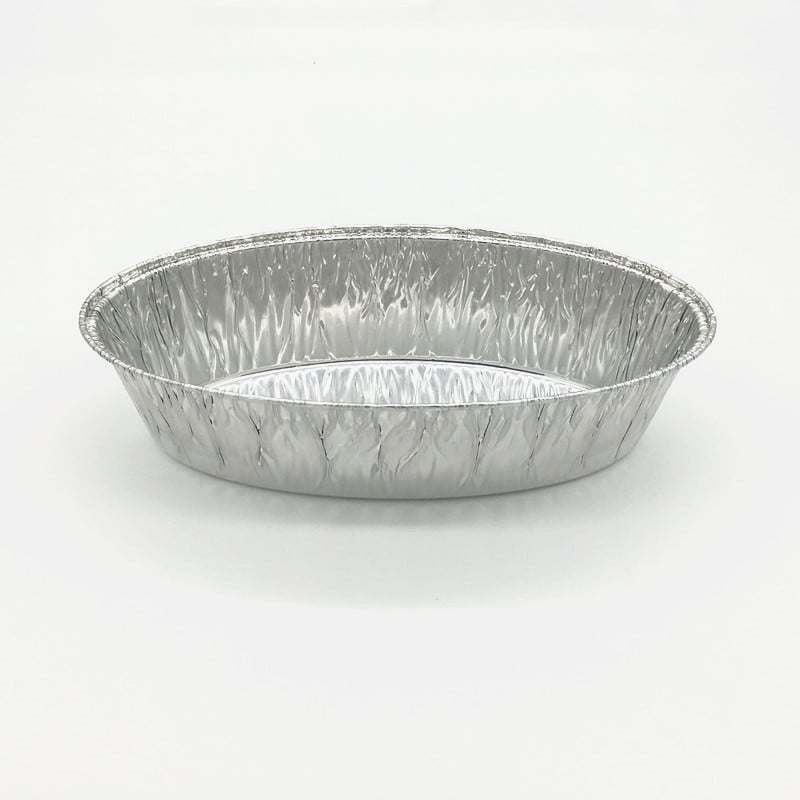
Aluminum chafing trays are essential equipment in the catering industry, designed to keep food at safe serving temperatures throughout events. These aluminum chafing trays work through a combination of materials and design features that trap and maintain heat, ensuring meals remain appetizing and safely heated from setup to service completion. Understanding how aluminum chafing trays function helps caterers select the right equipment and optimize food presentation at weddings, corporate events, buffets, and other catering occasions.
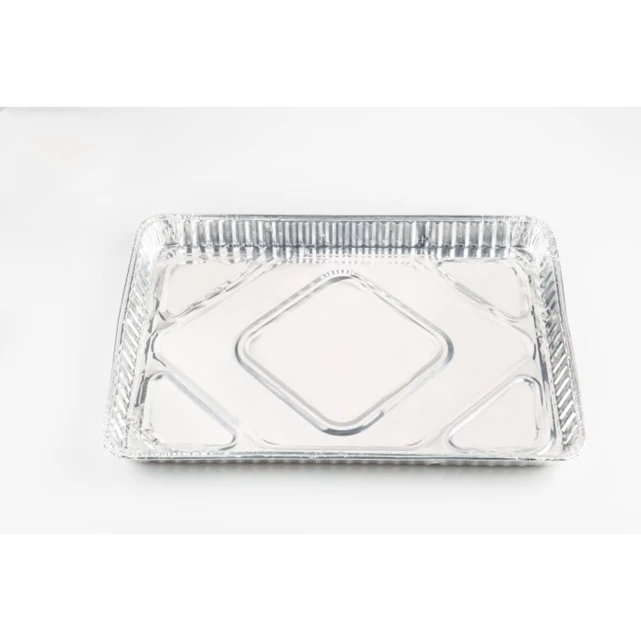
The effectiveness of aluminum chafing trays relies on their multi-layer construction and the water heating system beneath them. Aluminum chafing trays have become the industry standard because aluminum conducts heat efficiently while remaining lightweight and cost-effective. Whether you operate a small catering business or manage large-scale event feeding operations, aluminum chafing trays provide reliable food warming that meets health and safety standards while keeping your setup simple and professional.
Heat Conduction and Material Properties
Understanding Aluminum's Thermal Conductivity
Aluminum is an excellent conductor of heat, which is why aluminum chafing trays are preferred over stainless steel or ceramic alternatives. When heat from the chafing fuel or hot water beneath aluminum chafing trays rises, the aluminum material rapidly absorbs and distributes this thermal energy across the entire bottom and sides of the tray. This superior conductivity means aluminum chafing trays achieve uniform heat distribution, preventing cold spots where food might cool prematurely. The lightweight nature of aluminum chafing trays makes them easier to transport and handle than heavier materials, a critical advantage when managing multiple aluminum chafing trays at busy events.
Material Thickness and Durability
Professional aluminum chafing trays are typically constructed from aluminum that is thick enough to withstand repeated heating and cooling cycles without warping or degradation. The thickness of aluminum chafing trays directly affects their longevity and heat retention performance. Thicker aluminum chafing trays resist damage from thermal shock and maintain their shape over years of catering use. When selecting aluminum chafing trays for your business, invest in higher-gauge aluminum that has proven durability records, ensuring your aluminum chafing trays remain functional through hundreds of events.
Water Bath and Heat Maintenance System
How the Water Bath Operates
The water bath is the primary heat source beneath aluminum chafing trays that keeps food warm throughout service. Hot water is placed in a compartment below the aluminum chafing trays, and the residual heat from boiling or near-boiling water gradually radiates upward through the aluminum material. Unlike direct flame, the water bath provides consistent, indirect heat that prevents food from burning while aluminum chafing trays maintain an optimal serving temperature of 140–165°F depending on the food type. Many professional aluminum chafing trays come with a water pan that fits snugly into the frame, creating an efficient thermal bridge between the heat source and the aluminum chafing trays.
Fuel Options and Heat Duration
Aluminum chafing trays can be heated using canned chafing fuel, which burns underneath the water bath to maintain temperature. A single fuel canister beneath aluminum chafing trays typically provides 1–3 hours of continuous warming, depending on ambient temperature and fuel type. Some caterers use gel fuel or ethanol-based products under their aluminum chafing trays for safety and clean burning. The specific heat output from fuel beneath aluminum chafing trays must be monitored to prevent overheating, which can dry out food or create safety hazards. Proper ventilation is essential when operating aluminum chafing trays with open flame, and many venues require equipment featuring aluminum chafing trays with enclosed heating systems for indoor events.
Design Features Supporting Heat Retention
Lid Construction and Sealed Design
Most aluminum chafing trays include fitted lids that trap steam and heat inside the container, dramatically improving heat retention throughout the event. The lid on aluminum chafing trays creates an insulating barrier that reduces heat loss to the surrounding air, allowing aluminum chafing trays to maintain food temperature with less fuel consumption. Professional-grade aluminum chafing trays feature hinged or removable lids that stay securely attached, preventing accidents and maintaining the hermetic seal around aluminum chafing trays. The design of aluminum chafing trays with sloped lids also allows condensation to run down the sides rather than dripping back onto food, keeping dishes at peak presentation quality.
Frame and Tray Geometry
The frame structure supporting aluminum chafing trays is typically made from stainless steel or steel alloy, which provides stability while remaining neutral to heat transfer. The geometry of aluminum chafing trays is optimized to maximize surface area contact with the water bath beneath while accommodating standard food portions. Most aluminum chafing trays are rectangular and fit within industry-standard dimensions, allowing caterers to arrange multiple aluminum chafing trays in scalable configurations. The space between the water bath and aluminum chafing trays acts as an insulating air gap that prevents direct contact-based heat loss while allowing gradual warming through conduction.
Practical Optimization for Catering Events
Temperature Monitoring and Food Safety
Caterers using aluminum chafing trays must monitor food temperature to comply with health regulations requiring hot foods to remain above 140°F during service. The heat retention capability of aluminum chafing trays depends on initial food temperature, ambient conditions, and the efficiency of fuel beneath aluminum chafing trays. Professional caterers often preheat aluminum chafing trays with hot water before placing prepared food, ensuring aluminum chafing trays start at optimal temperature rather than cooling new food. Digital thermometers inserted into aluminum chafing trays help verify that serving temperatures remain safe throughout your event, protecting guests and meeting food safety compliance standards.
Strategic Setup and Placement
The location where you position aluminum chafing trays significantly affects their heat retention performance. Placing aluminum chafing trays away from air conditioning vents, fans, or open doors reduces heat loss to drafts. Grouping multiple aluminum chafing trays together in a buffet setup creates a collective thermal mass that improves overall heat retention compared to isolated aluminum chafing trays. Covering unused portions of aluminum chafing trays with additional lids or thermal covers during service extends fuel consumption and maintains consistent temperatures. Many experienced caterers rotate fuel canisters under aluminum chafing trays midway through events, replacing partially burned fuel with fresh fuel to ensure aluminum chafing trays maintain temperature until the final guests are served.
FAQ
Why are aluminum chafing trays better than stainless steel for food warming?
Aluminum chafing trays are superior for food warming because aluminum conducts heat approximately three times faster than stainless steel, distributing warmth more uniformly across the food surface. Aluminum chafing trays also weigh significantly less, making them easier to transport and handle during event setup and breakdown. While stainless steel is more durable in some applications, aluminum chafing trays provide the optimal balance of thermal performance, cost-effectiveness, and practicality for catering operations managing multiple warming stations.
How long can aluminum chafing trays keep food warm?
Aluminum chafing trays can maintain safe food temperatures for 2–4 hours depending on the fuel canister size, initial food temperature, and ambient conditions. A standard fuel canister under aluminum chafing trays typically burns for 1–3 hours, and many caterers change canisters halfway through longer events to ensure aluminum chafing trays never lose temperature. Preheating aluminum chafing trays with hot water and using fitted lids extend heat retention significantly, allowing aluminum chafing trays to serve longer events with minimal fuel waste.
Can aluminum chafing trays handle all food types?
Aluminum chafing trays work well with most catering foods including entrees, vegetables, starches, and proteins, though some delicate items may require special attention. Foods with high water content warm faster in aluminum chafing trays, while denser items like roasted meats benefit from longer preheating. Acidic foods should be monitored in aluminum chafing trays since prolonged contact with aluminum can cause slight discoloration, though this does not affect food safety. Professional caterers line aluminum chafing trays with parchment or food-grade liners when serving highly acidic dishes, ensuring both optimal food quality and aluminum chafing trays' longevity.