 EN
EN


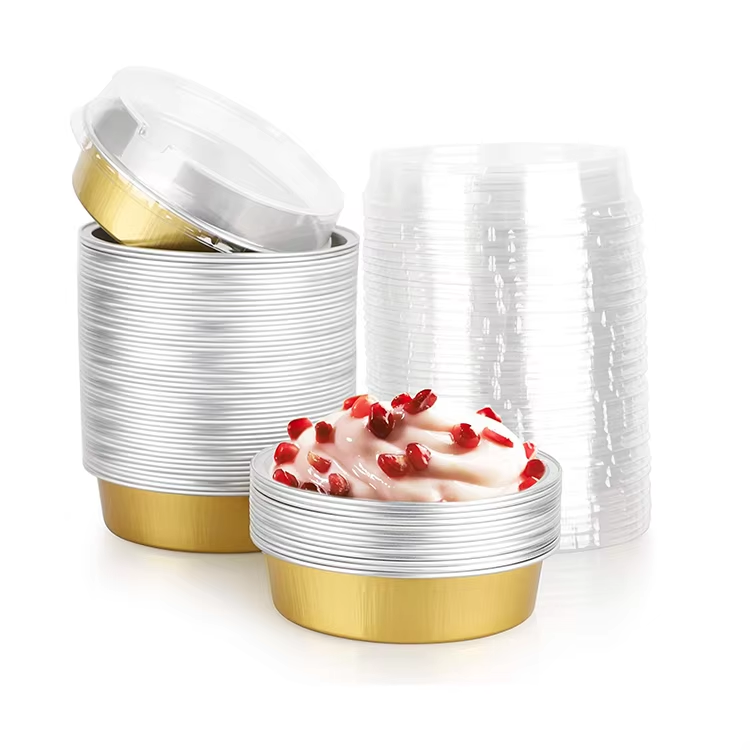
Food delivery services have revolutionized the restaurant industry, creating new demands for packaging solutions that maintain food quality while ensuring safe transport. Among the various container options available, aluminium foil pans have emerged as a preferred choice for many establishments seeking reliable, versatile, and cost-effective food delivery solutions. Understanding the specific advantages of these containers can help restaurant owners, caterers, and food service managers make informed decisions about their packaging strategies.
The benefits of using aluminium foil pans for food delivery extend far beyond simple containment, encompassing thermal performance, food safety, environmental considerations, and operational efficiency. These lightweight yet durable containers offer unique properties that directly address the challenges faced in modern food delivery operations, from maintaining optimal temperatures during transport to ensuring customer satisfaction upon arrival. By examining these advantages systematically, food service professionals can better understand how aluminium foil pans contribute to successful delivery operations.
Superior Heat Retention and Temperature Control
Exceptional Thermal Conductivity Properties
The thermal properties of aluminium foil pans provide significant advantages for maintaining food temperature during delivery. Aluminium's high thermal conductivity allows for even heat distribution throughout the container, ensuring that food remains at consistent temperatures from kitchen to customer. This uniform heat transfer prevents hot spots and cold zones that can compromise food quality and safety during transport.
When food is placed in aluminium foil pans immediately after cooking, the container efficiently absorbs and retains the heat, creating a thermal barrier that slows cooling. This characteristic is particularly beneficial for delivery services where transport times can vary significantly based on distance, traffic conditions, or order volume. The ability to maintain optimal serving temperatures directly impacts customer satisfaction and reduces complaints about cold or lukewarm food.
Restaurant operators using aluminium foil pans report improved customer feedback regarding food temperature consistency compared to other packaging materials. The containers' thermal performance helps preserve the intended texture and flavor profiles of various dishes, from crispy fried foods to saucy entrees, ensuring that the dining experience closely matches in-restaurant quality.
Effective Heat Retention During Extended Transport
Extended delivery routes and peak-hour delays can significantly impact food quality, making heat retention capabilities crucial for successful operations. Aluminium foil pans excel in these challenging conditions by maintaining internal temperatures for extended periods, reducing heat loss through their reflective properties and tight-fitting lid systems.
The reflective surface of aluminium foil pans creates an additional insulation layer that helps prevent heat transfer to the external environment. This feature becomes particularly important during winter months or in refrigerated delivery vehicles where temperature differentials are most pronounced. Food service managers often find that aluminium containers require less additional insulation compared to plastic or paperboard alternatives.
Professional delivery operations utilizing aluminium foil pans can maintain food safety standards more effectively by keeping hot foods above the critical temperature threshold of 140°F for longer periods. This extended temperature maintenance reduces the risk of bacterial growth and ensures compliance with health department regulations, protecting both customers and business reputation.
Enhanced Food Safety and Hygiene Standards
Non-Reactive Surface Properties
Food safety considerations are paramount in delivery operations, and aluminium foil pans offer significant advantages through their non-reactive surface properties. Unlike some plastic containers that may leach chemicals or absorb flavors and odors, aluminium provides an inert barrier that maintains food integrity throughout the delivery process. This characteristic is particularly important for acidic foods, marinades, and dishes with strong spices that might interact with other packaging materials.
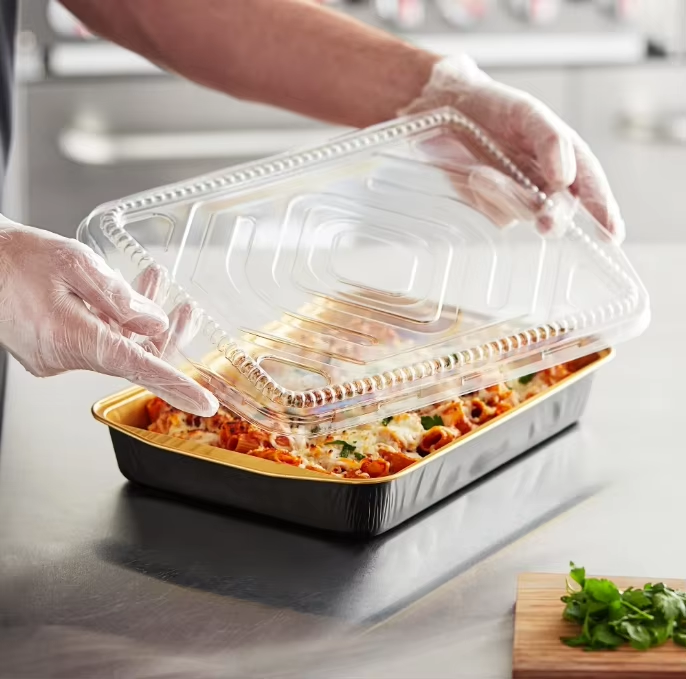
The non-porous surface of aluminium foil pans prevents bacterial penetration and eliminates the risk of cross-contamination between different food items. This barrier protection is essential for maintaining food safety standards, especially when containers are stored in delivery vehicles alongside other orders or when transport times exceed planned durations due to unforeseen circumstances.
Restaurant chains and independent operators benefit from the consistent food safety performance of aluminium foil pans across different menu items and preparation styles. The containers' resistance to chemical interaction means that delicate sauces, dairy-based dishes, and marinated proteins maintain their intended flavors and nutritional profiles without unwanted chemical migration or taste contamination.
Moisture and Grease Barrier Performance
Effective moisture and grease containment is crucial for maintaining food quality and preventing packaging failures during delivery. Aluminium foil pans provide superior barrier properties that prevent moisture loss from foods while simultaneously containing oils and gravies within the container. This dual protection helps preserve food texture and prevents messy spills that can damage other items in delivery bags.
The grease-resistant properties of aluminium foil pans make them particularly suitable for fried foods, saucy dishes, and items with high oil content. Unlike paperboard containers that may become soggy and compromised when exposed to grease, aluminium maintains its structural integrity throughout the delivery process, ensuring safe transport and professional presentation upon arrival.
Food service operations report significant reductions in customer complaints related to leaky containers and damaged packaging when switching to aluminium foil pans. The reliable moisture and grease barrier performance translates to fewer refunds, replacement orders, and customer service issues, contributing to improved operational efficiency and customer retention rates.
Versatility and Operational Efficiency
Multi-Purpose Container Functionality
The operational versatility of aluminium foil pans extends throughout the entire food service workflow, from preparation through delivery and customer use. These containers can transition seamlessly from oven to refrigerator to delivery bag, eliminating the need for multiple container types and reducing inventory complexity. This streamlined approach simplifies kitchen operations and reduces the likelihood of using incorrect packaging for specific menu items.
Restaurant kitchens benefit from the ability to use aluminium foil pans for both cooking and serving, particularly for baked dishes, casseroles, and items that require reheating. This dual functionality reduces dish washing requirements, minimizes food transfer steps, and decreases the risk of temperature loss during packaging. The time savings in kitchen operations can be substantial during peak delivery periods.
The stackable design of aluminium foil pans optimizes storage space in both kitchen preparation areas and delivery vehicles. This space efficiency is particularly valuable for ghost kitchens and delivery-focused operations where storage space is limited and operational efficiency is crucial for profitability. The containers' uniform dimensions facilitate organized storage and efficient packing procedures.
Customer Convenience and Reusability
From the customer perspective, aluminium foil pans offer significant convenience advantages that enhance the overall delivery experience. The containers can be placed directly in conventional ovens for reheating, eliminating the need to transfer food to separate dishes and reducing cleanup requirements for customers. This convenience factor is particularly appreciated by busy families and office workers who value time-saving features.
The durability of aluminium foil pans allows customers to reuse containers for food storage, meal preparation, or other household purposes after the initial meal consumption. This extended utility provides additional value to customers and reinforces positive brand associations with environmentally conscious practices. Many customers specifically choose restaurants that use reusable aluminum packaging for this reason.
Professional catering operations find that clients appreciate the presentation quality of aluminium foil pans, particularly for corporate events and family gatherings where the containers may remain visible during serving. The clean, professional appearance of these containers enhances the perceived value of the food service and contributes to customer satisfaction and repeat business opportunities.
Cost-Effectiveness and Supply Chain Benefits
Economic Advantages for Food Service Operations
The cost structure of aluminium foil pans provides significant economic advantages for food delivery operations when evaluated across the complete operational cycle. While the initial unit cost may be higher than some alternatives, the total cost of ownership including reduced waste, improved customer satisfaction, and operational efficiency often results in better overall profitability. The durability and reliability of these containers reduce the frequency of packaging failures and associated replacement costs.
Volume purchasing opportunities for aluminium foil pans typically offer favorable pricing structures for established food service operations. The standardized manufacturing processes and widespread availability of these containers create competitive pricing environments that benefit large-scale users. Restaurant chains and franchise operations can leverage bulk purchasing agreements to achieve significant cost reductions per unit.
The reduced need for additional packaging materials, such as secondary moisture barriers or reinforcement layers, contributes to overall cost savings when using aluminium foil pans. This packaging simplification reduces inventory management complexity and associated carrying costs while streamlining procurement processes for busy food service managers.
Reliable Supply Chain Performance
Supply chain reliability is crucial for food delivery operations that depend on consistent packaging availability to maintain service levels. Aluminium foil pans benefit from well-established manufacturing networks and multiple supplier options, reducing the risk of supply disruptions that can compromise operations. The global nature of aluminum production provides supply chain resilience that is particularly valuable during market volatility periods.
The standardized sizing and specifications of aluminium foil pans facilitate supplier switching when necessary without requiring significant operational adjustments or staff retraining. This flexibility provides food service operators with negotiating leverage and helps maintain competitive pricing over time. The ability to source from multiple suppliers also reduces dependency risks that can impact business continuity.
Food service distributors often stock comprehensive ranges of aluminium foil pans, enabling single-source procurement for multiple container sizes and styles. This consolidated purchasing approach reduces administrative overhead, simplifies vendor management, and often qualifies operations for volume discounts across their complete packaging needs.
Environmental Impact and Sustainability Considerations
Recyclability and Circular Economy Benefits
The environmental profile of aluminium foil pans offers significant advantages for food service operations seeking to improve their sustainability credentials. Aluminum is one of the most recyclable materials available, maintaining its properties through multiple recycling cycles without degradation. This characteristic supports circular economy principles and helps food delivery operations reduce their environmental footprint while meeting customer expectations for responsible business practices.
Municipal recycling programs widely accept clean aluminium foil pans, making it convenient for customers to dispose of containers responsibly after use. This accessibility supports higher recycling rates compared to composite materials or specialized plastics that require specific processing facilities. Food service operations can promote their environmental responsibility by educating customers about proper recycling procedures for aluminium containers.
The energy efficiency of aluminum recycling processes means that using recycled content in new aluminium foil pans requires significantly less energy than primary production. This energy savings translates to reduced carbon footprints for food delivery operations that prioritize suppliers using high recycled content percentages in their manufacturing processes.
Reduced Waste Generation Patterns
The durability and reusability characteristics of aluminium foil pans contribute to reduced waste generation compared to single-use alternatives that cannot withstand reuse or recycling. Customers often repurpose these containers for food storage, gardening applications, or household organization, extending the useful life beyond the initial delivery purpose and reducing overall waste streams.
Food service operations benefit from reduced packaging waste in their own facilities when using aluminium foil pans for multiple purposes throughout the food preparation and delivery process. The elimination of transfer steps between different container types reduces the generation of disposable packaging materials and associated waste management costs.
The compact design and nesting capabilities of aluminium foil pans optimize transportation efficiency, reducing fuel consumption and associated emissions during distribution. This transportation efficiency contributes to lower overall environmental impact per delivered meal, supporting sustainability goals while maintaining operational cost effectiveness for delivery-focused food service operations.
FAQ
Can aluminium foil pans be used in microwave ovens for reheating?
Aluminium foil pans should not be used in microwave ovens due to the risk of arcing and potential damage to the microwave unit. However, these containers can be safely used in conventional ovens, toaster ovens, and under broilers for reheating purposes. Customers should transfer food to microwave-safe containers if microwave reheating is preferred, or use alternative heating methods that are compatible with aluminum packaging.
How do aluminium foil pans compare to plastic containers for food safety?
Aluminium foil pans offer superior food safety characteristics compared to many plastic containers because they do not contain BPA, phthalates, or other potentially harmful chemicals that may leach into food. The non-reactive surface of aluminum prevents chemical migration even with acidic foods, and the material does not absorb odors or flavors that could affect subsequent uses. Additionally, aluminum can withstand higher temperatures without degrading or releasing harmful compounds.
Are there size limitations for aluminium foil pans in food delivery applications?
Aluminium foil pans are available in a wide range of sizes from individual portion containers to large family-style serving trays. The size selection should consider delivery bag dimensions, vehicle storage capacity, and customer handling convenience. Most delivery operations find that standard rectangular sizes between 8-inch and 13-inch lengths provide optimal balance between portion capacity and practical handling requirements for drivers and customers.
What is the typical cost difference between aluminium foil pans and other delivery container options?
While aluminium foil pans may have higher upfront costs compared to basic plastic or foam containers, the total cost analysis often favors aluminum when considering durability, customer satisfaction, reduced waste, and reusability factors. The cost differential varies based on volume purchasing, supplier relationships, and specific container specifications, but many operations find that the premium is offset by improved operational efficiency and reduced customer service issues related to packaging failures.
Table of Contents
- Superior Heat Retention and Temperature Control
- Enhanced Food Safety and Hygiene Standards
- Versatility and Operational Efficiency
- Cost-Effectiveness and Supply Chain Benefits
- Environmental Impact and Sustainability Considerations
-
FAQ
- Can aluminium foil pans be used in microwave ovens for reheating?
- How do aluminium foil pans compare to plastic containers for food safety?
- Are there size limitations for aluminium foil pans in food delivery applications?
- What is the typical cost difference between aluminium foil pans and other delivery container options?