 EN
EN


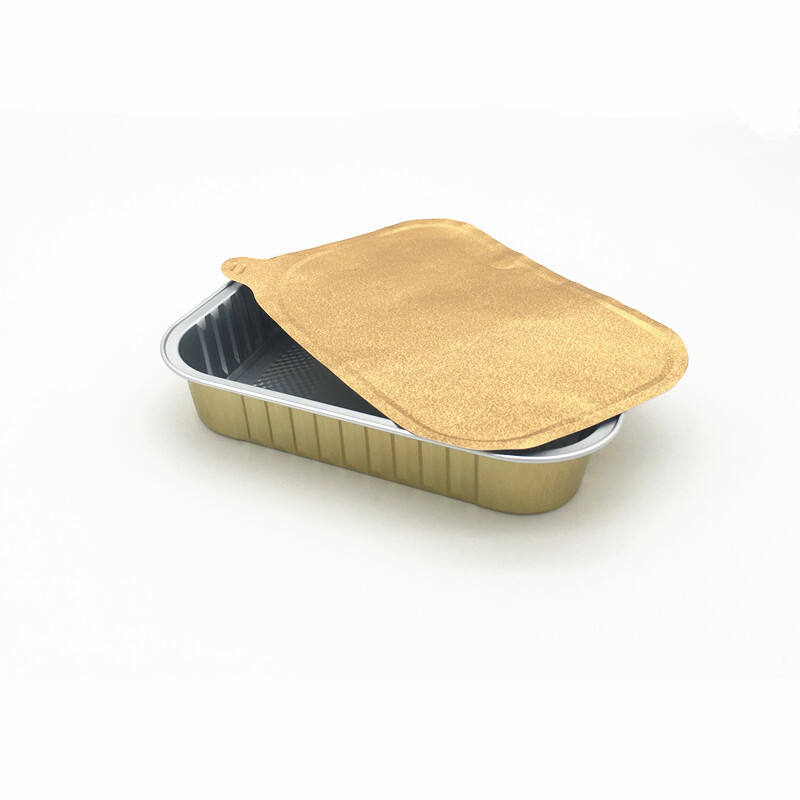
Sourcing high-quality aluminium foil pans from B2B suppliers requires a strategic approach that goes beyond simply finding the lowest price. Professional buyers in the food service, catering, and retail industries understand that the quality of aluminium foil pans directly impacts product performance, customer satisfaction, and ultimately business profitability. The process involves evaluating supplier capabilities, understanding material specifications, and establishing quality control measures that ensure consistent product delivery.
Successful procurement of aluminium foil pans involves understanding the technical specifications that differentiate premium products from inferior alternatives. Professional buyers must navigate supplier networks, assess manufacturing capabilities, and implement quality assurance protocols that protect their business interests. This comprehensive approach ensures that the aluminium foil pans meet specific application requirements while maintaining cost-effectiveness and supply chain reliability.
Understanding Aluminium Foil Pan Quality Standards
Material Grade and Thickness Specifications
The foundation of high-quality aluminium foil pans begins with the raw material specifications. Food-grade aluminium alloys, typically 3003 or 8011 series, provide the optimal balance of formability, corrosion resistance, and thermal conductivity required for food service applications. The thickness measurement, expressed in microns or gauge, directly impacts the pan's structural integrity and heat distribution properties.
Professional buyers should specify minimum thickness requirements based on their intended applications. Heavy-duty aluminium foil pans for roasting or baking typically require thicker gauges to withstand higher temperatures and prevent deformation. The aluminium purity level also affects performance, with higher purity grades offering superior heat conduction and food safety characteristics.
Quality suppliers provide detailed material certificates that specify the exact alloy composition, thickness tolerances, and surface treatment details. These technical documents serve as quality benchmarks and enable buyers to verify that the aluminium foil pans meet their specified requirements. Understanding these material fundamentals helps buyers communicate effectively with suppliers and establish clear quality expectations.
Manufacturing Process Quality Indicators
The manufacturing process significantly influences the final quality of aluminium foil pans. Deep-drawing operations must maintain precise dimensional tolerances while avoiding material thinning that could compromise structural integrity. Professional manufacturers employ multi-stage forming processes that gradually shape the aluminium foil pans without exceeding material stress limits.
Edge quality represents a critical manufacturing indicator that affects both safety and functionality. Premium aluminium foil pans feature smooth, rolled edges that eliminate sharp surfaces while maintaining structural strength. The forming process should create consistent wall thickness throughout the pan structure, ensuring uniform heat distribution and preventing weak points that could lead to failure during use.
Surface treatment and coating application require controlled manufacturing environments to achieve consistent results. Quality manufacturers implement statistical process control measures that monitor dimensional accuracy, surface finish quality, and structural integrity throughout production. These quality systems ensure that every batch of aluminium foil pans meets established specifications and performance standards.
Evaluating B2B Supplier Capabilities
Production Capacity and Scalability Assessment
Assessing supplier production capacity involves understanding both current output capabilities and scalability potential. Professional buyers must evaluate whether suppliers can handle their volume requirements while maintaining quality consistency across large production runs. This assessment includes reviewing equipment specifications, production line efficiency, and workforce capabilities that directly impact aluminium foil pans manufacturing.
Scalability considerations become particularly important for buyers with growing demand or seasonal volume fluctuations. Suppliers with flexible production systems can adjust output levels without compromising quality standards, ensuring reliable supply continuity for aluminium foil pans requirements. The ability to scale production also indicates supplier stability and long-term partnership potential.
Lead time consistency represents another critical capacity indicator that affects supply chain planning. Quality suppliers provide realistic lead time estimates and demonstrate consistent delivery performance across different order sizes. Understanding supplier capacity constraints helps buyers plan procurement schedules and avoid potential supply disruptions that could impact their operations.
Quality Management System Verification
Professional suppliers of aluminium foil pans implement comprehensive quality management systems that ensure consistent product performance. ISO 9001 certification provides a baseline quality framework, while food safety certifications like HACCP or BRC demonstrate additional commitment to product safety and regulatory compliance. These certifications indicate systematic quality control approaches that protect buyer interests.
Quality control testing protocols should cover both incoming raw materials and finished aluminium foil pans. Suppliers must demonstrate testing capabilities for dimensional accuracy, material properties, and performance characteristics relevant to specific applications. Regular quality audits and statistical process monitoring ensure that quality standards remain consistent across production batches.
Traceability systems enable suppliers to track materials and processes throughout the manufacturing cycle, providing accountability and enabling rapid response to quality issues. Professional suppliers maintain detailed records that allow complete product genealogy reconstruction, ensuring that any quality concerns can be quickly addressed and corrected.
Technical Specification Requirements
Dimensional Accuracy and Tolerance Standards
Precise dimensional specifications ensure that aluminium foil pans meet specific application requirements and equipment compatibility needs. Professional buyers must specify tolerances for length, width, depth, and wall thickness that align with their operational requirements. Tight tolerances become particularly important for automated filling equipment or standardized portion control applications.
Rim design specifications affect both functionality and safety performance of aluminium foil pans. The rim width, curl radius, and edge finish must meet specific requirements that ensure safe handling while maintaining structural integrity. These specifications also affect stackability and storage efficiency, which impact overall operational costs and logistics requirements.
Bottom flatness specifications ensure proper heat distribution and equipment compatibility for aluminium foil pans used in commercial cooking applications. Warpage tolerances must be specified to prevent uneven heating or equipment damage. Professional suppliers provide detailed dimensional drawings and tolerance specifications that enable buyers to verify compliance with their requirements.
Performance and Durability Criteria
Temperature resistance specifications define the operational limits for aluminium foil pans in various cooking and storage applications. Professional buyers must specify maximum operating temperatures and thermal cycling requirements that align with their intended use scenarios. These specifications ensure that the pans maintain structural integrity and performance throughout their intended service life.
Grease resistance and food contact safety requirements ensure that aluminium foil pans maintain product integrity during food storage and preparation. Surface treatments and coatings must meet food safety regulations while providing adequate barrier properties. These performance criteria protect both product quality and consumer safety throughout the supply chain.
Structural integrity testing validates the mechanical performance of aluminium foil pans under typical use conditions. Load testing, puncture resistance, and thermal shock testing provide objective performance data that enables buyers to compare different supplier offerings. Professional suppliers provide comprehensive testing data that demonstrates compliance with specified performance criteria.
Supplier Selection and Qualification Process
Financial Stability and Business Continuity
Evaluating supplier financial stability protects buyers from supply chain disruptions that could impact their operations. Financial analysis should include revenue trends, profitability indicators, and debt-to-equity ratios that demonstrate long-term business viability. Suppliers with strong financial positions can invest in quality improvements and maintain consistent aluminium foil pans production capabilities.
Business continuity planning becomes essential for suppliers of critical aluminium foil pans applications. Professional suppliers maintain backup production capabilities, alternative raw material sources, and contingency plans that ensure supply continuity during unexpected disruptions. These measures protect buyer interests and minimize operational risks associated with supplier dependencies.
Long-term partnership potential requires suppliers who demonstrate commitment to continuous improvement and customer service excellence. Suppliers who invest in technology upgrades, quality improvements, and customer support capabilities provide greater value over extended business relationships. Evaluating supplier strategic plans and investment priorities helps buyers identify partners who align with their long-term objectives.
Communication and Service Capabilities
Effective communication systems enable smooth coordination of aluminium foil pans procurement activities and quality management processes. Professional suppliers provide dedicated account management, technical support, and customer service resources that facilitate efficient business interactions. These communication capabilities become particularly important for complex technical requirements or custom product specifications.
Technical support capabilities help buyers optimize their use of aluminium foil pans and resolve application-specific challenges. Suppliers with strong technical teams can provide application guidance, performance optimization recommendations, and troubleshooting support that adds value beyond basic product supply. This technical expertise helps buyers achieve better results and cost-effectiveness from their aluminium foil pans purchases.
Response time commitments for quotes, technical inquiries, and order processing affect overall procurement efficiency. Professional suppliers establish clear service level agreements that define response times and communication protocols. Consistent adherence to these commitments demonstrates supplier reliability and professionalism that supports effective business relationships.
Cost Management and Value Optimization
Total Cost of Ownership Analysis
Comprehensive cost analysis for aluminium foil pans must include purchase price, logistics costs, quality-related expenses, and operational efficiency factors. Professional buyers understand that the lowest unit price may not represent the best overall value when considering total cost of ownership. Quality-related costs, including defect rates, customer complaints, and replacement expenses, significantly impact overall profitability.
Logistics and inventory carrying costs affect the total cost structure for aluminium foil pans procurement. Suppliers offering optimized packaging, efficient shipping methods, and flexible delivery schedules can reduce these indirect costs significantly. Inventory optimization through reliable supply schedules and consistent quality reduces working capital requirements and storage costs.
Operational efficiency gains from high-quality aluminium foil pans include reduced handling time, improved production yields, and enhanced customer satisfaction. These benefits create value that extends beyond the initial purchase price and should be factored into supplier selection decisions. Professional buyers quantify these efficiency gains to support informed procurement decisions.
Volume-Based Pricing Strategies
Volume commitment strategies enable buyers to secure favorable pricing for aluminium foil pans while ensuring supply security. Professional suppliers offer tiered pricing structures that reward larger volume commitments with improved unit costs. These arrangements benefit both parties by providing revenue predictability for suppliers and cost savings for buyers.
Contract terms should balance volume commitments with flexibility requirements that accommodate business fluctuations. Professional buyers negotiate contract structures that provide pricing benefits while maintaining operational flexibility. These agreements should include provisions for volume adjustments, seasonal variations, and market condition changes that affect aluminium foil pans demand.
Performance-based pricing models link supplier compensation to quality metrics, delivery performance, and customer satisfaction indicators. These structures align supplier incentives with buyer objectives and create mutual benefits from continuous improvement efforts. Professional suppliers embrace these models as opportunities to demonstrate their value and build stronger customer relationships.
FAQ
What certifications should I look for when sourcing aluminium foil pans from B2B suppliers?
Look for food safety certifications like FDA approval, EU food contact compliance, and HACCP certification. Quality management certifications such as ISO 9001 demonstrate systematic quality control processes. Additionally, verify that suppliers have relevant environmental certifications and comply with local food safety regulations in your target markets.
How can I verify the actual quality of aluminium foil pans before placing large orders?
Request product samples for testing in your specific applications, including temperature resistance, structural integrity, and food contact safety. Conduct facility audits or request third-party inspection reports. Review supplier quality control documentation and test certificates. Consider starting with smaller trial orders to evaluate performance before committing to larger volumes.
What minimum order quantities should I expect when sourcing aluminium foil pans from B2B suppliers?
Minimum order quantities vary significantly based on product specifications and supplier capabilities. Standard sizes typically have lower minimums, often starting at 10,000-50,000 pieces. Custom sizes or specifications may require higher minimums of 100,000 pieces or more. Discuss your volume requirements early in the sourcing process to identify suitable suppliers.
How do I ensure consistent quality across multiple production batches of aluminium foil pans?
Establish detailed quality specifications with measurable criteria and tolerance limits. Implement incoming inspection procedures for each delivery batch. Maintain regular communication with suppliers about quality performance and address issues promptly. Consider implementing supplier scorecards that track quality metrics over time and provide feedback for continuous improvement.
Table of Contents
- Understanding Aluminium Foil Pan Quality Standards
- Evaluating B2B Supplier Capabilities
- Technical Specification Requirements
- Supplier Selection and Qualification Process
- Cost Management and Value Optimization
-
FAQ
- What certifications should I look for when sourcing aluminium foil pans from B2B suppliers?
- How can I verify the actual quality of aluminium foil pans before placing large orders?
- What minimum order quantities should I expect when sourcing aluminium foil pans from B2B suppliers?
- How do I ensure consistent quality across multiple production batches of aluminium foil pans?