 EN
EN


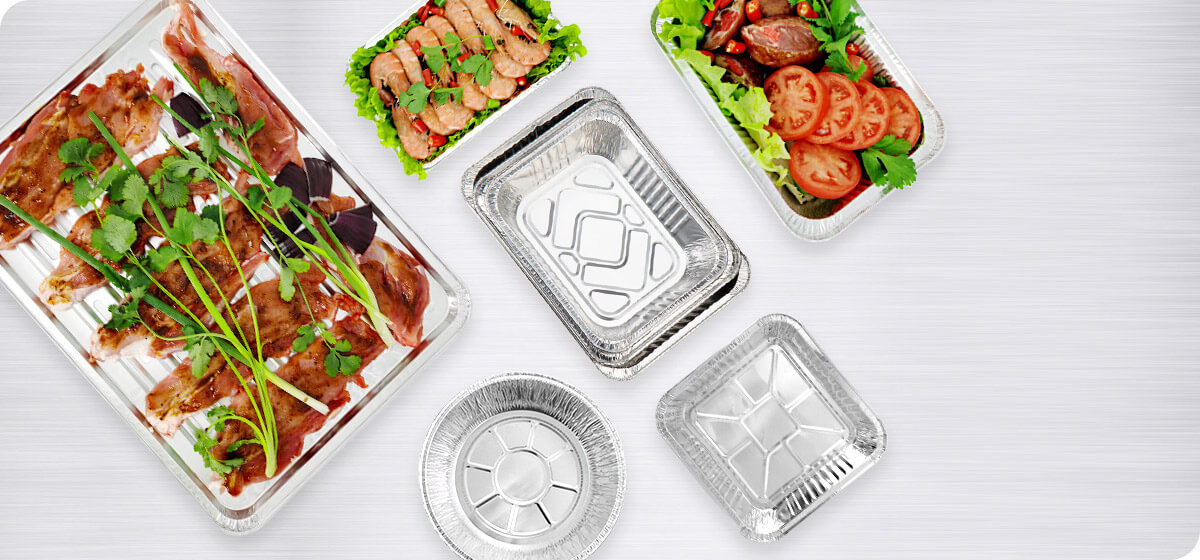
Food suppliers around the world consistently choose aluminum trays for food as their primary packaging solution. This widespread adoption isn't accidental—it reflects decades of proven performance in commercial kitchens, catering operations, and food distribution networks. Understanding why aluminum trays for food dominate the industry reveals critical insights into food safety, operational efficiency, and cost management that directly impact supplier profitability.
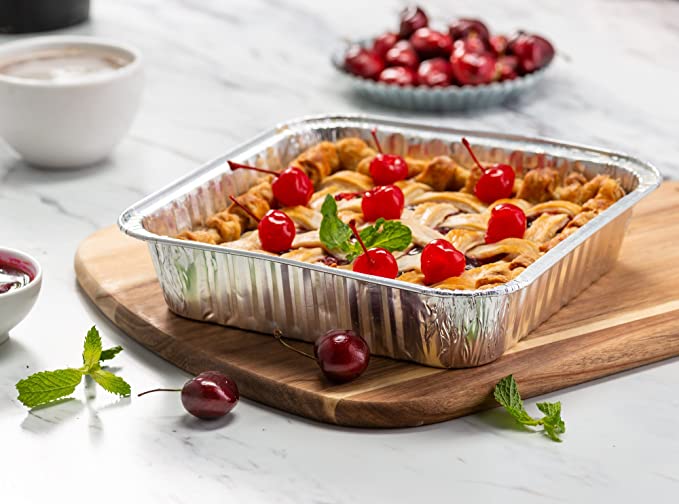
The popularity of aluminum trays for food stems from a combination of practical advantages that address the core challenges food suppliers face daily. From temperature control to regulatory compliance, aluminum trays for food deliver measurable benefits that competitors simply cannot match. This article explores the fundamental reasons why food industry professionals depend on aluminum trays for food for their most critical operations.
Superior Temperature and Moisture Control Properties
Heat Conductivity and Thermal Performance
Aluminum trays for food excel at temperature regulation because aluminum conducts heat exceptionally well. This thermal efficiency means food stays hot during transport and remains at safe serving temperatures longer than alternative materials. When food suppliers use aluminum trays for food in commercial settings, they benefit from even heat distribution that prevents cold spots and temperature fluctuations that compromise food quality. The material's natural heat-conducting properties make aluminum trays for food ideal for both hot meal delivery and cold food preservation applications.
Moisture and Vapor Barrier Performance
Food contamination and spoilage often result from moisture exposure. Aluminum trays for food provide an excellent moisture barrier that protects contents from humidity, condensation, and environmental contamination. This barrier capability makes aluminum trays for food particularly valuable for prepared meals, bakery items, and ready-to-eat products that demand extended shelf life. The impermeability of aluminum trays for food means suppliers can store food safely without worrying about moisture degradation or flavor loss that would occur with porous materials.
Cost Efficiency and Operational Economics
Lower Total Cost of Ownership
Food suppliers constantly evaluate packaging costs against durability and performance. Aluminum trays for food deliver exceptional value because the material balances affordability with superior protective qualities. Compared to rigid plastic containers or premium glass options, aluminum trays for food cost significantly less while providing comparable or superior functionality. Bulk purchasing of aluminum trays for food further reduces per-unit expenses, making budget management more predictable and efficient for operations managing thousands of meals daily.
Stackability and Storage Efficiency
Warehouse and transportation logistics represent substantial operational expenses. Aluminum trays for food stack efficiently due to their rigid construction and uniform design, minimizing storage space requirements. This stackability advantage means suppliers fit more meals into delivery vehicles, reducing shipping frequency and fuel costs. The lightweight nature of aluminum trays for food also reduces overall vehicle weight, contributing to fuel efficiency across distribution networks. By choosing aluminum trays for food, suppliers optimize every aspect of their supply chain logistics.
Food Safety Compliance and Regulatory Advantages
FDA Approval and Safety Standards
Aluminum trays for food meet rigorous food safety regulations across North America, Europe, and international markets. Food suppliers must verify that packaging materials comply with FDA regulations and don't leach harmful substances into food. Aluminum trays for food have established safety profiles backed by decades of regulatory approval and independent testing. This compliance certainty eliminates the risk of regulatory violations or recalls that could devastate supplier reputation and operations. Choosing aluminum trays for food means suppliers operate with confidence in their food safety infrastructure.
Allergen Control and Cross-Contamination Prevention
Allergen management represents a critical liability concern in food service operations. Aluminum trays for food can be thoroughly sanitized and don't retain allergen residue like porous materials do. Their smooth, non-porous surface allows effective cleaning protocols that reduce cross-contamination risks significantly. Suppliers handling multiple food types appreciate that aluminum trays for food integrate seamlessly into allergen-controlled production environments. This safety advantage directly reduces liability exposure and protects both suppliers and consumers.
Environmental Sustainability and Market Positioning
Recyclability and Circular Economy Benefits
Modern consumers and institutional buyers increasingly demand sustainable packaging solutions. Aluminum trays for food are infinitely recyclable without degrading in quality, making them ideal for environmentally conscious suppliers. The recycling industry values aluminum highly, and aluminum trays for food maintain consistent market demand in recycling streams. By adopting aluminum trays for food, suppliers signal environmental commitment while supporting circular economy principles. This sustainability positioning resonates with corporate procurement managers and conscious consumers evaluating supplier environmental practices.
Brand Reputation and Market Differentiation
Food suppliers using aluminum trays for food benefit from positive brand associations with quality and reliability. The material's professional appearance and widespread industry acceptance enhance supplier credibility in competitive markets. Customers perceive aluminum trays for food as premium, safe, and environmentally responsible choices. This perception advantage helps suppliers justify pricing premiums, attract quality-conscious clients, and establish stronger long-term relationships. The market positioning benefits of aluminum trays for food extend far beyond basic functionality into strategic competitive advantage.
Versatility Across Food Categories and Service Models
Compatibility With Diverse Food Types
Aluminum trays for food accommodate virtually every food category from prepared meals to baked goods, fresh produce to hot entrées. The material doesn't react chemically with acidic, oily, or salty foods the way some alternatives do. Suppliers managing diverse product lines appreciate that aluminum trays for food work reliably across their entire portfolio without requiring different packaging solutions. This universal compatibility simplifies procurement processes and reduces inventory complexity. The versatility of aluminum trays for food makes them the natural default choice for multi-category food operations.
Customization and Branding Opportunities
Aluminum trays for food can be custom printed with logos, nutritional information, and branding elements that enhance professional presentation. This customization capability transforms basic packaging into marketing tools that reinforce brand identity. Suppliers distinguish themselves through personalized aluminum trays for food that customers recognize and remember. The ability to customize aluminum trays for food at scale makes brand differentiation cost-effective and practical for operations of any size.
FAQ
Are aluminum trays for food safe for all food types?
Aluminum trays for food are safe for virtually all food categories including acidic items like tomato-based dishes and beverages. Modern food-grade aluminum trays have protective barriers that prevent any interaction between aluminum and food contents. Regulatory bodies worldwide have approved aluminum trays for food for direct food contact, confirming their safety profile. Suppliers can confidently use aluminum trays for food across their entire product range without safety concerns or restrictions.
How do aluminum trays for food compare to plastic alternatives?
Aluminum trays for food offer superior heat retention, better moisture barriers, and greater environmental benefits than plastic containers. While plastic initially costs less, aluminum trays for food provide better food protection and customer perception advantages that justify slightly higher prices. Plastic degrades after recycling cycles, whereas aluminum trays for food maintain quality indefinitely. For quality-focused suppliers, aluminum trays for food represent the more strategic long-term investment despite marginally higher per-unit costs.
Can suppliers reduce costs by switching to aluminum trays for food?
Yes, suppliers can achieve significant savings through bulk purchasing of aluminum trays for food and operational efficiencies from improved stackability and logistics. The improved shelf life and reduced spoilage rates from superior food protection lower overall product loss costs. When suppliers calculate total cost of ownership including storage, transportation, and food waste reduction, aluminum trays for food often prove more economical than competing materials. Strategic sourcing and volume commitments make aluminum trays for food particularly cost-effective for large-scale operations.