 EN
EN


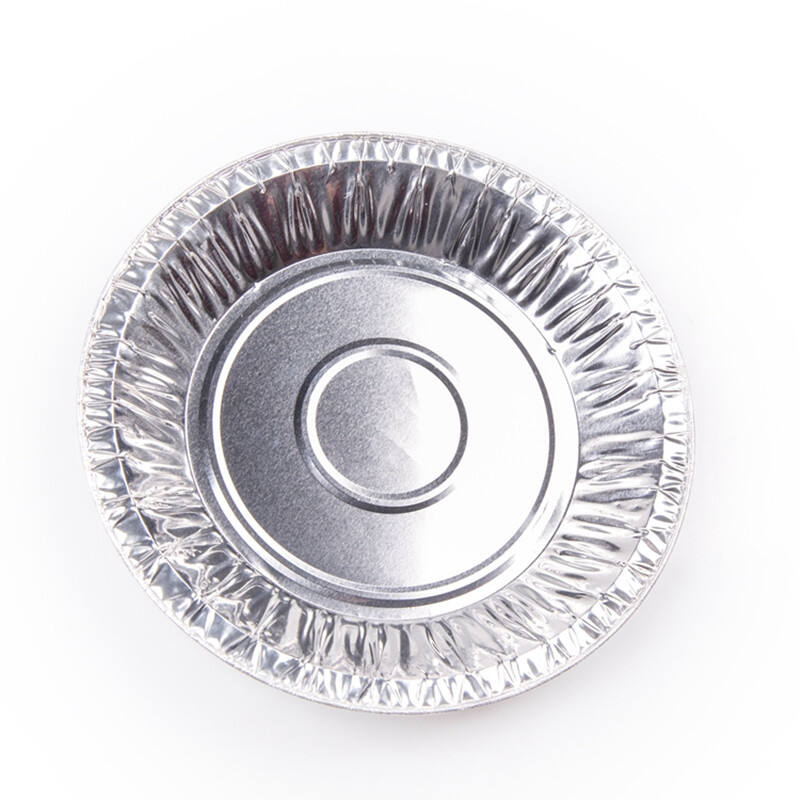
In today's competitive food service industry, businesses are increasingly recognizing the strategic importance of partnering with reliable foil pan manufacturers. These specialized producers offer comprehensive solutions that extend far beyond simple aluminum container production, providing restaurants, catering companies, and food processors with essential packaging that meets diverse operational needs. Working with established foil pan manufacturers creates opportunities for cost optimization, quality assurance, and operational efficiency that can significantly impact business success. The food packaging sector continues to evolve rapidly, driven by consumer demands for convenience, sustainability, and food safety, making the selection of appropriate manufacturing partners more critical than ever before.
Manufacturing Excellence and Quality Standards
Advanced Production Capabilities
Professional foil pan manufacturers invest heavily in state-of-the-art equipment and technology that ensures consistent product quality across large-scale production runs. These facilities typically feature automated forming machines, precision cutting systems, and quality control mechanisms that maintain strict dimensional tolerances and structural integrity. Modern manufacturing processes incorporate computer-controlled systems that monitor thickness variations, edge quality, and surface finish throughout production cycles. The integration of advanced machinery allows foil pan manufacturers to achieve production speeds and consistency levels that smaller operations simply cannot match.
Quality management systems employed by established manufacturers often exceed basic industry standards, incorporating ISO certifications and food-grade compliance protocols that guarantee product safety. These comprehensive quality frameworks encompass raw material inspection, in-process monitoring, and finished product testing that validates performance characteristics. Temperature resistance testing, leak-proof verification, and dimensional accuracy assessments are standard procedures that ensure every container meets specified requirements. Such rigorous quality control processes provide customers with confidence in product reliability and performance consistency.
Material Sourcing and Specifications
Leading foil pan manufacturers maintain strategic relationships with premium aluminum suppliers, ensuring access to high-quality raw materials that meet food-grade safety standards. These partnerships enable manufacturers to secure consistent material supplies while maintaining competitive pricing structures that benefit end customers. Material specifications typically include specific aluminum alloy compositions optimized for food contact applications, with controlled levels of trace elements that ensure safety and performance. The sourcing strategies employed by professional manufacturers also emphasize sustainability considerations, incorporating recycled aluminum content where appropriate.
Aluminum thickness selection represents another critical aspect of manufacturing expertise, with experienced producers understanding how gauge variations affect container performance in different applications. Thicker materials provide enhanced structural integrity for heavy food items, while lighter gauges offer cost advantages for less demanding applications. Professional foil pan manufacturers can recommend optimal material specifications based on specific use cases, helping customers balance performance requirements with cost considerations. This technical expertise proves invaluable for businesses seeking to optimize their packaging solutions.
Cost Efficiency and Economic Benefits
Volume Pricing Advantages
One of the most compelling advantages of working with established foil pan manufacturers involves access to volume-based pricing structures that can significantly reduce per-unit costs. Large-scale manufacturers leverage economies of scale to offer competitive pricing that smaller suppliers cannot match, particularly for substantial order quantities. These cost advantages become increasingly pronounced as order volumes increase, creating opportunities for businesses to optimize their packaging budgets through strategic purchasing decisions. Volume pricing arrangements also provide predictable cost structures that facilitate accurate financial planning and budgeting processes.
Professional manufacturers often offer tiered pricing systems that reward customer loyalty and consistent ordering patterns with preferential rates. Long-term partnership agreements can secure additional cost benefits while ensuring supply reliability during peak demand periods. The transparency in pricing structures provided by reputable foil pan manufacturers allows customers to make informed decisions about order timing and quantities. These partnerships often result in substantial cost savings compared to purchasing from distributors or smaller suppliers.
Supply Chain Optimization
Efficient supply chain management represents another significant economic advantage offered by professional foil pan manufacturers. These organizations typically maintain sophisticated logistics networks that ensure timely delivery while minimizing transportation costs through optimized routing and consolidation strategies. Inventory management capabilities allow manufacturers to maintain adequate stock levels that prevent supply disruptions while reducing carrying costs for customers. Just-in-time delivery options help businesses minimize storage requirements and associated costs.
Strategic warehouse locations maintained by major manufacturers provide geographic coverage that reduces shipping distances and delivery times. This infrastructure advantage translates into lower transportation costs and improved delivery reliability for customers across different regions. Advanced inventory management systems employed by professional manufacturers also provide real-time visibility into stock levels and production schedules, enabling better demand planning and order coordination. These operational efficiencies contribute to overall cost reductions and improved business operations.
Product Innovation and Customization
Design Flexibility and Customization
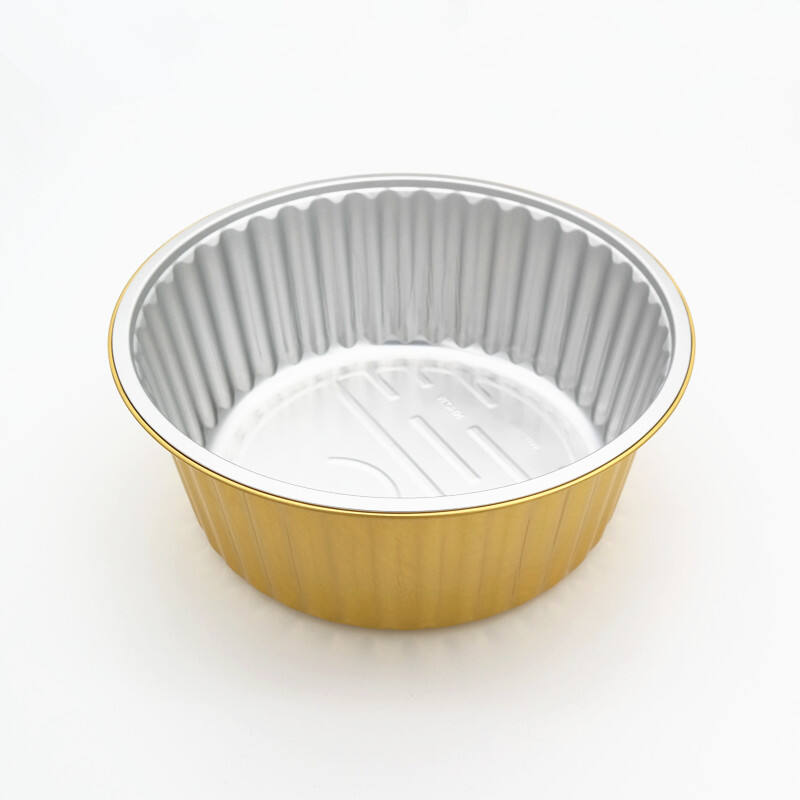
Modern foil pan manufacturers offer extensive customization capabilities that allow businesses to create packaging solutions tailored to specific operational requirements. Design flexibility encompasses dimensional variations, capacity options, and specialized features that address unique application needs. Custom sizing options enable optimal portion control and presentation while minimizing waste and maximizing efficiency. Specialized forming techniques can create containers with unique shapes or features that enhance functionality or brand differentiation.
Branding opportunities through custom printing and embossing allow businesses to enhance their market presence while maintaining professional presentation standards. Advanced printing capabilities enable high-quality graphics reproduction that supports marketing objectives and brand recognition. Color variations and surface treatments provide additional customization options that can align packaging with brand aesthetics or functional requirements. These customization capabilities help businesses create distinctive packaging solutions that support competitive positioning.
Technical Innovation and Development
Leading foil pan manufacturers invest continuously in research and development activities that drive innovation in container design and performance characteristics. Technical advances often focus on improving heat distribution, enhancing stackability, or developing specialized coatings that provide additional functionality. Innovation initiatives may result in lighter-weight designs that maintain structural integrity while reducing material costs and environmental impact. New forming techniques and alloy compositions can create containers with superior performance characteristics.
Collaboration with customers on product development projects allows manufacturers to create specialized solutions that address specific operational challenges. Technical expertise available from experienced manufacturers can help identify opportunities for performance improvements or cost reductions through design modifications. These development partnerships often result in innovative solutions that provide competitive advantages for participating businesses. Access to technical innovation capabilities represents a significant advantage of working with established manufacturers.
Sustainability and Environmental Considerations
Recycling and Circular Economy
Professional foil pan manufacturers increasingly emphasize sustainability initiatives that align with growing environmental consciousness among consumers and businesses. Aluminum recycling programs offered by many manufacturers provide customers with opportunities to participate in circular economy practices that reduce environmental impact. The inherent recyclability of aluminum makes foil containers an environmentally responsible packaging choice compared to many alternatives. Recycling programs often include collection services and processing capabilities that simplify participation for customers.
Sustainable manufacturing practices employed by responsible foil pan manufacturers include energy-efficient production processes, waste reduction initiatives, and environmental management systems. These practices demonstrate corporate responsibility while often resulting in operational efficiencies that benefit customers through improved cost structures. Sustainability reporting and certification programs provide transparency regarding environmental performance and commitment to continuous improvement. Partnership with environmentally responsible manufacturers supports customer sustainability objectives and stakeholder expectations.
Material Efficiency and Waste Reduction
Advanced manufacturing techniques utilized by professional producers maximize material utilization while minimizing waste generation during production processes. Precision forming capabilities reduce material waste while ensuring consistent product quality and performance. Optimized container designs can minimize material usage without compromising functionality or durability. These efficiency improvements benefit both environmental objectives and cost management goals.
Packaging optimization services provided by experienced foil pan manufacturers help customers identify opportunities to reduce packaging waste while maintaining product protection and presentation standards. Right-sizing recommendations ensure containers match actual capacity requirements without excess material usage. Design modifications may eliminate unnecessary features or materials while preserving essential functionality. These optimization efforts contribute to waste reduction and cost savings throughout the supply chain.
Technical Support and Service Excellence
Application Engineering and Consultation
Established foil pan manufacturers typically provide comprehensive technical support services that help customers optimize their packaging applications and resolve operational challenges. Application engineering expertise enables manufacturers to recommend appropriate container specifications based on specific food products, processing requirements, and service conditions. Technical consultation services may include thermal performance analysis, compatibility assessments, and durability testing that validate container suitability for intended applications.
Problem-solving capabilities offered by experienced manufacturers extend beyond basic product supply to include operational optimization recommendations and troubleshooting support. Technical teams can analyze customer applications to identify opportunities for performance improvements or cost reductions through specification changes or process modifications. This consultative approach creates value beyond the physical product by contributing to improved operational efficiency and reduced total costs. Access to technical expertise represents a significant advantage of manufacturer partnerships.
Quality Assurance and Testing
Comprehensive quality assurance programs implemented by professional foil pan manufacturers include rigorous testing protocols that verify product performance across multiple criteria. Testing capabilities typically encompass leak resistance, temperature performance, dimensional accuracy, and food safety compliance. These testing programs provide customers with confidence in product reliability and suitability for intended applications. Quality documentation and certificates support compliance requirements and quality management systems.
Continuous quality monitoring throughout production processes ensures consistent performance characteristics and early detection of potential issues. Statistical process control systems track key quality metrics and trigger corrective actions when specifications are exceeded. Quality improvement initiatives focus on eliminating defects and enhancing customer satisfaction through superior product performance. These quality management practices distinguish professional manufacturers from less sophisticated suppliers.
FAQ
What minimum order quantities do foil pan manufacturers typically require?
Most professional foil pan manufacturers establish minimum order quantities based on production efficiency requirements and setup costs, typically ranging from 10,000 to 100,000 pieces depending on container size and complexity. Standard products often have lower minimum quantities compared to custom designs that require specialized tooling or setup procedures. Many manufacturers offer flexibility in minimum orders for established customers or those committing to annual volume agreements. Some suppliers provide mixed-load options that allow customers to combine different products to meet minimum quantity requirements while maintaining cost advantages.
How do foil pan manufacturers ensure food safety compliance?
Reputable foil pan manufacturers maintain comprehensive food safety management systems that include FDA compliance for food contact materials, HACCP protocols, and regular third-party audits. Raw material certifications verify that aluminum alloys meet food-grade specifications with controlled levels of trace elements. Production facility hygiene protocols prevent contamination during manufacturing processes, while packaging and storage procedures maintain product cleanliness until delivery. Documentation systems provide traceability and compliance records that support customer quality assurance requirements and regulatory compliance obligations.
What customization options are available from foil pan manufacturers?
Modern foil pan manufacturers offer extensive customization capabilities including dimensional modifications, capacity variations, specialized shapes, and custom printing or embossing services. Design flexibility encompasses rim styles, depth variations, and specialized features such as compartments or lids. Branding options include custom colors, graphics reproduction, and company logo integration that support marketing objectives. Technical customizations may include specialized coatings, enhanced heat distribution features, or modified material specifications that address specific application requirements while maintaining food safety compliance.
What are the typical lead times when working with foil pan manufacturers?
Lead times for standard foil pan products typically range from 1-3 weeks depending on order quantities and manufacturer capacity, while custom products may require 4-8 weeks for initial orders that involve tooling development or specification validation. Rush order capabilities are often available for established customers at premium pricing, with expedited delivery options for urgent requirements. Production planning systems maintained by professional manufacturers provide visibility into scheduling and delivery expectations. Long-term supply agreements often include preferential scheduling that reduces lead times and ensures supply reliability during peak demand periods.